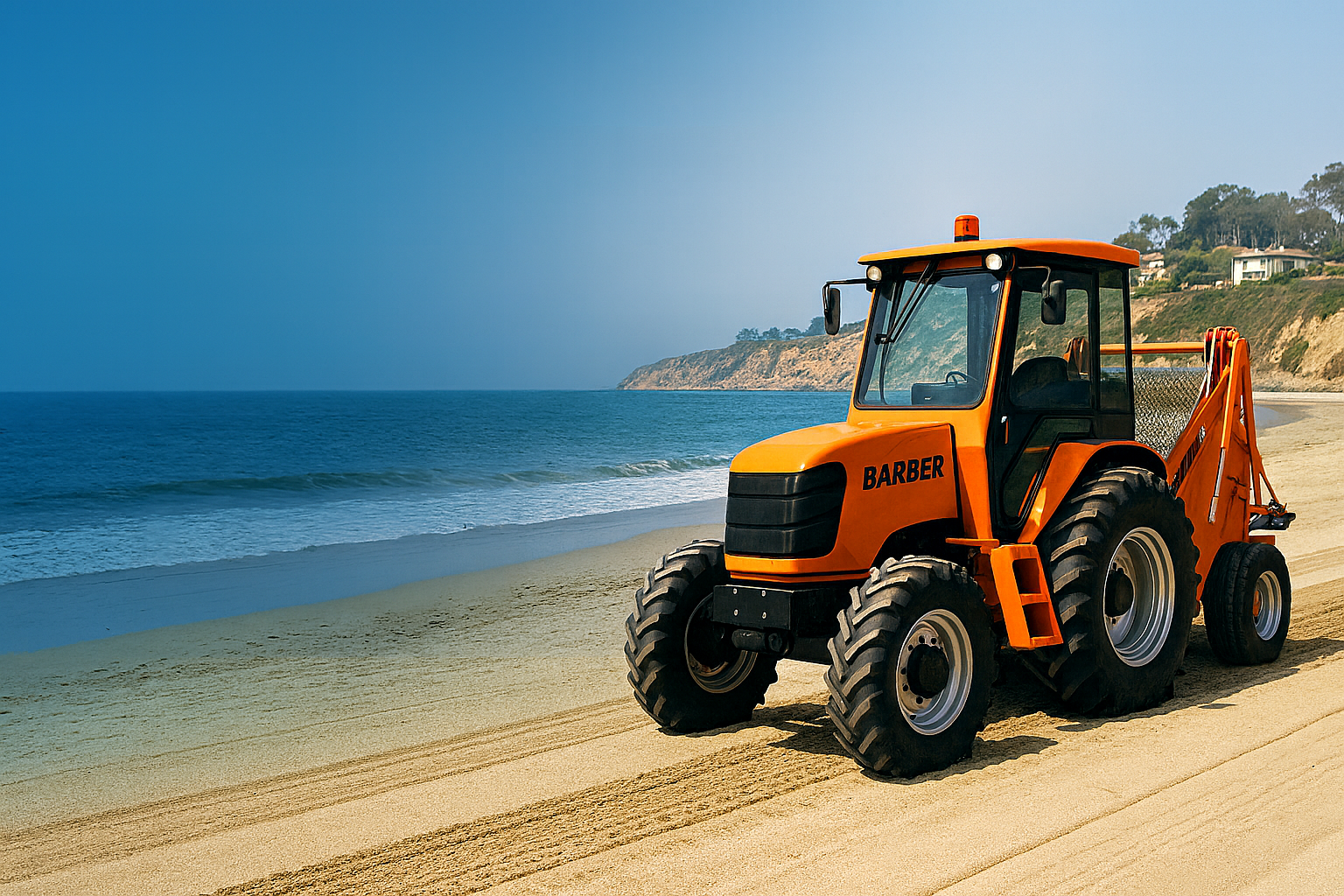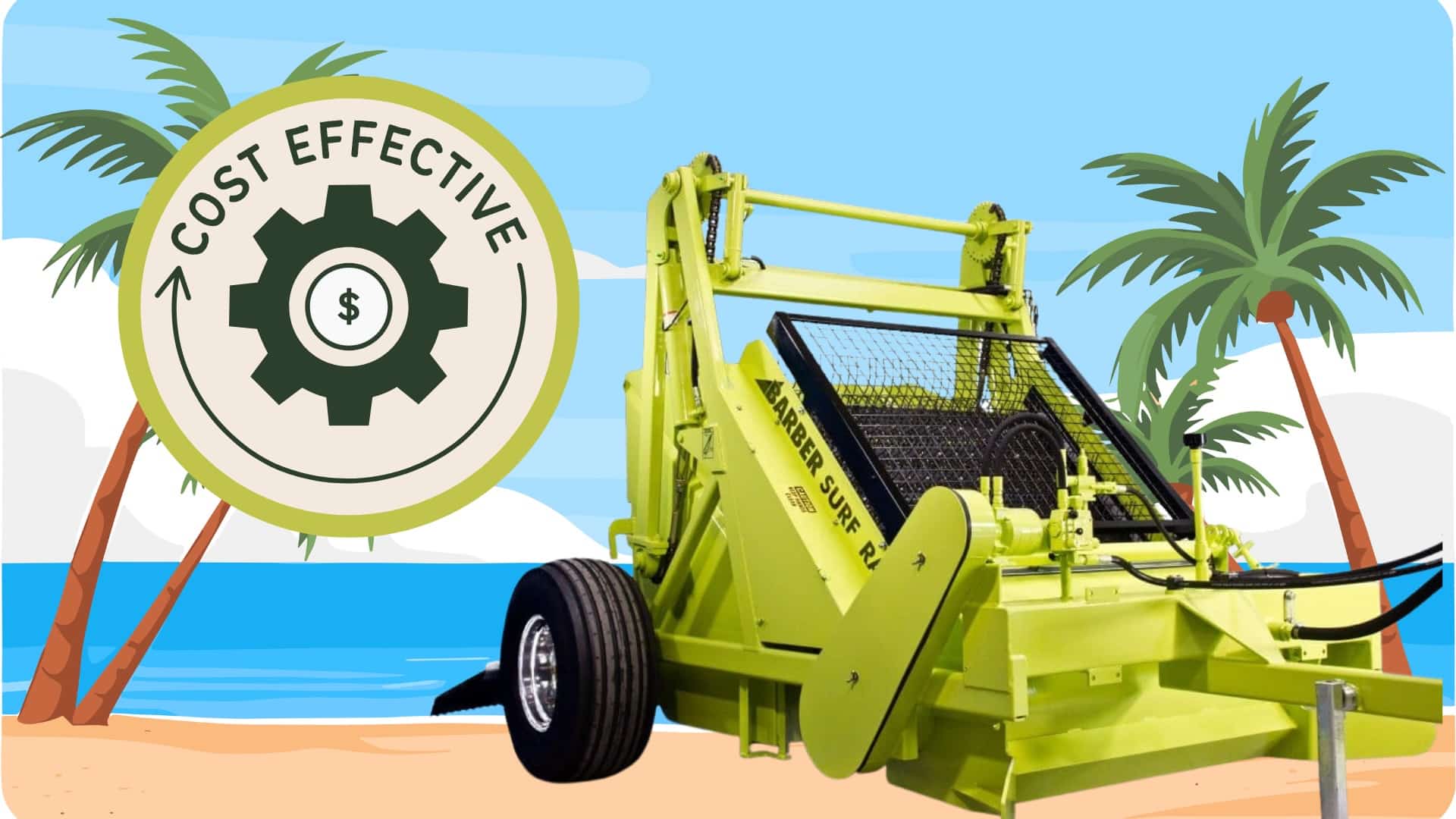
To remove microplastics from your beach, you sift the sand through a fine screen that traps plastic fragments while clean sand falls back through. The mesh size and cleaning depth you choose determine how small a particle you can capture. This guide walks through the best practices, equipment options, and trade-offs so you can pick the right approach for your beach.
Step 1: Identify If Your Beach Has a Microplastic Problem
Before tackling microplastic pollution, you need to assess the extent of the issue.
Start with a visual inspection of:
✔ The shoreline and high tide line.
✔ Intertidal zones where plastics may accumulate.
✔ Areas where sand shifts—microplastics can be buried beneath the surface.
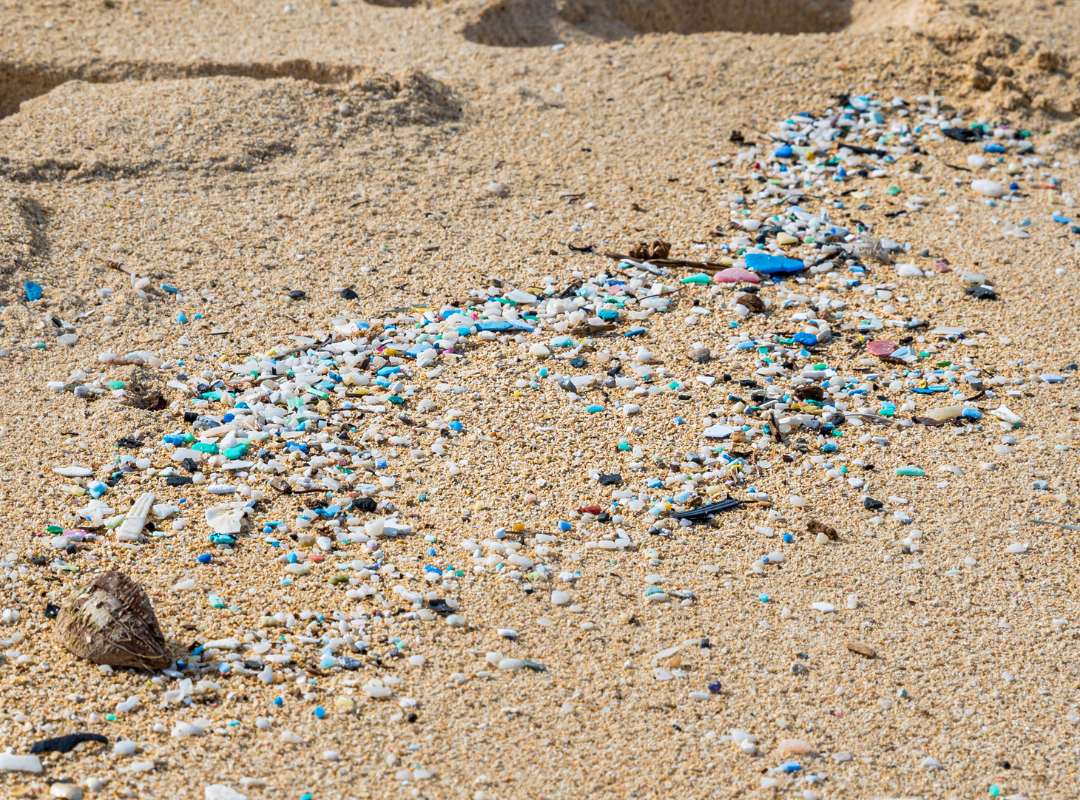

Look for tiny plastic fragments, colorful specks, or synthetic fibers mixed in with the sand.
For a deeper assessment:
- Rake through the sand in several areas to uncover hidden microplastics.
- Examine debris caught in seaweed—many microplastics tangle in organic material.
- Monitor post-storm conditions, as strong waves bring in new pollution.
If microplastics are visible or easily found beneath the surface, your beach likely requires regular cleanup efforts.
Step 2: Develop a plan for how to remove microplastics from your beach
Once you confirm a microplastic issue, you need a systematic removal approach. While no practical tools exist for removing small microplastics from the sand, options for removing larger microplastics that are closer to 5mm in size do exist.
Option 1: Manual Cleanup
Best for small-scale, short-term cleanups, especially for larger plastic fragments.
Pros:
✔ Cost-effective for one-time efforts.
✔ Easy to organize with local volunteers.
✔ Great for generating community engagement and PR.
Cons:
❌ Extremely time-consuming & labor-intensive—hard to sustain long-term and impractical for large-scale micro plastic removal & maintenance.
❌ Inconsistent results—workers may miss smaller microplastics.
❌ Only removes larger surface plastics—Microplastics buried in the sand remain.
When to Use It:
- As a supplementary effort alongside mechanical cleaning.
- For targeted cleanup days in highly trafficked areas.
Option 2: Mechanical Beach Cleaning
Best for consistent, large-scale removal of microplastics.
Types of Beach Cleaning Machines
Raking Machines (e.g., Conveyor-Based Systems)
- Best for: Removing secondary microplastics (bottles, wrappers, caps, toys).
- Not ideal for: Small microplastics (<5mm).
- Additional benefit: Excellent for clearing seaweed and organic debris.
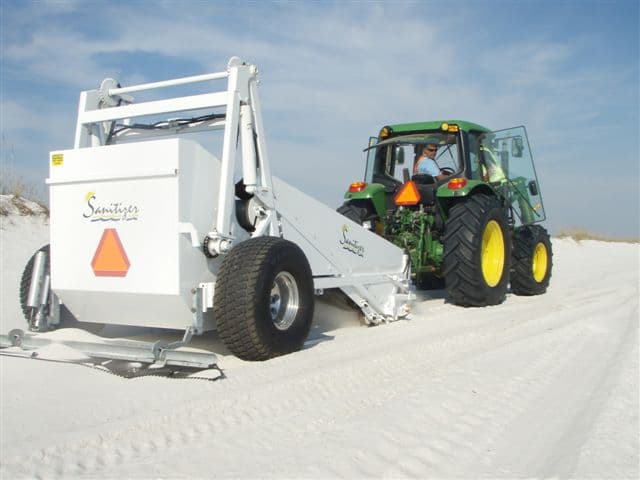
Sifting Machines (Large)
- Best for: Removing materials similar to raking machines on large beaches.
- Not Ideal for: Tideline or wet sand cleaning, especially if it contains seaweed.
- Large sifting machines are useful for wide-scale beach cleaning but struggle to catch the mico-plastics.
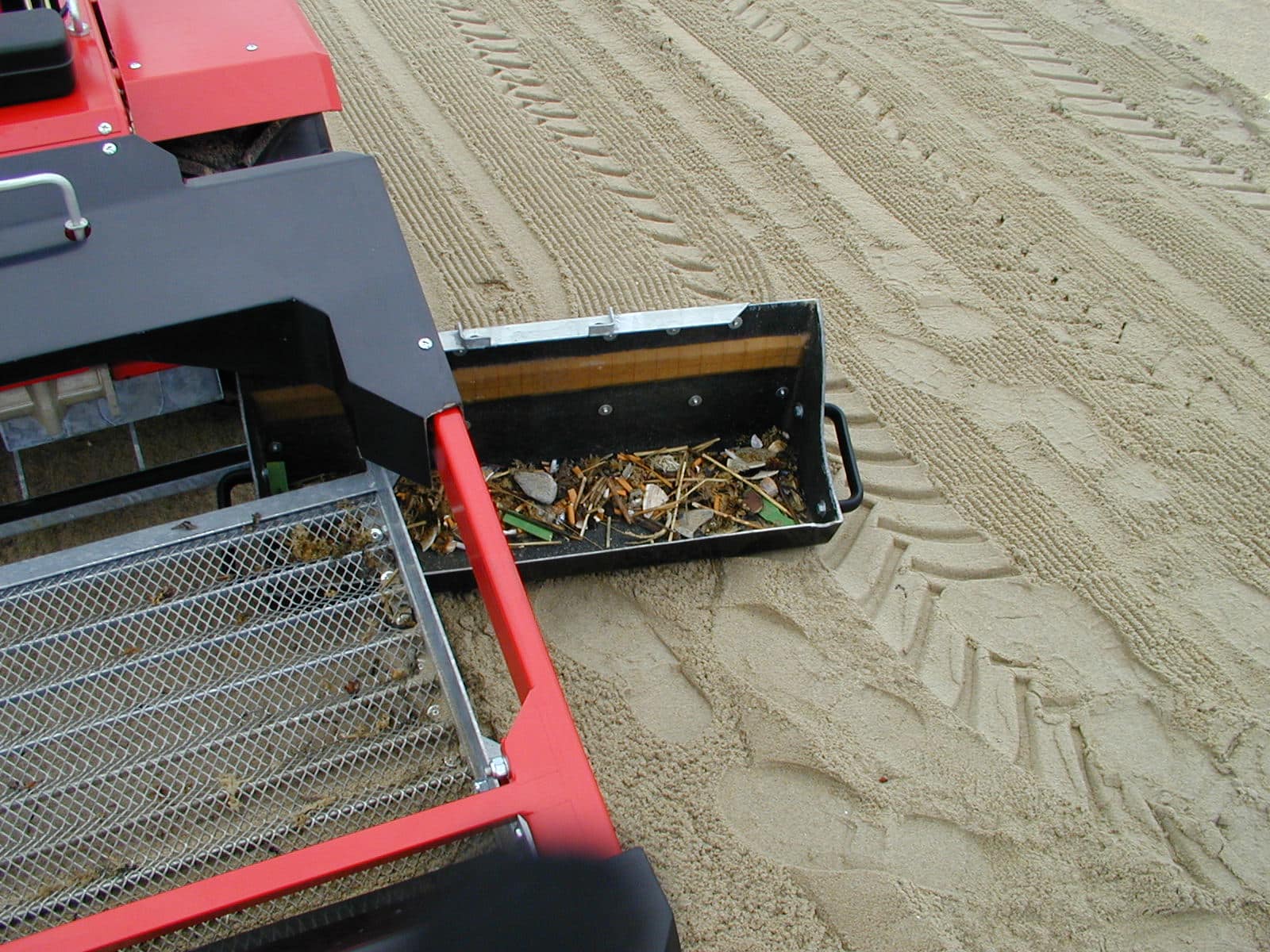
Sifting Machines (Small)
- Best for: Removing microplastics smaller than 5mm.
- Small sifting machines are ideal for microplastic removal in high-traffic areas.
- They can be fitted with extra-fine screens for removing larger micro plastics.
Now that you’re aware of the most common and practical methods of removing microplastics from your beach, let’s move on to how to build a sustainable beach cleaning program. We’ll help you decide which method to chose, how to ensure its effectiveness, and share other considerations.
Next Steps: How to Build a Sustainable Beach Cleaning Program
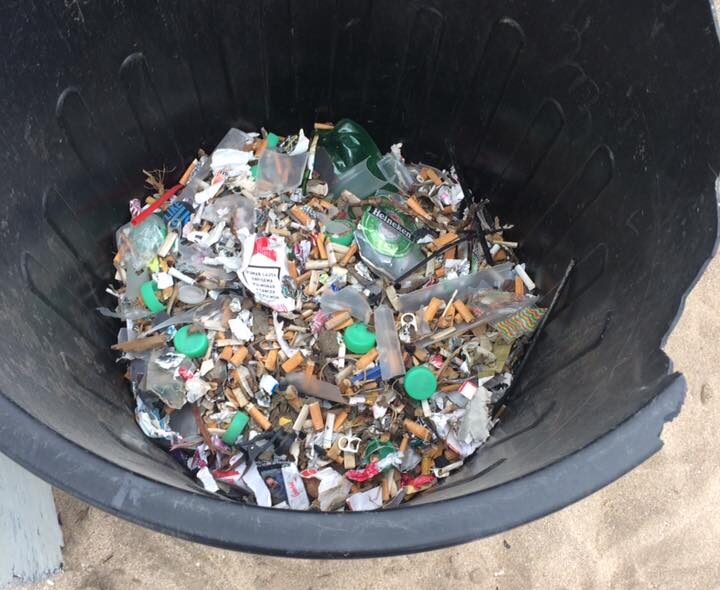
Creating a Scalable, Long-Term Program for Microplastic Removal
Frequently Asked Questions
Partial removal is possible. Mechanical sifting machines with fine-mesh screens (down to 3/16 inch) can capture microplastic fragments 5mm and larger. Sub-5mm particles — the majority of what researchers classify as microplastics — pass through current sifting technology and cannot be practically removed at scale.
The SAND MAN 850 and RADIUS both offer a 3/16-inch screen — the finest available. For most applications targeting small plastics, the 3/16-inch screen balances performance with operational speed.
Yes. Frequent cleaning intercepts larger plastics before UV exposure and mechanical stress degrade them into microplastics. Removing the macro-source (secondary microplastics) is a meaningful long-term prevention strategy even when perfect capture of existing microplastics isn’t achievable.
It depends on how often plastic returns. For a beach with recurring deposition, a small sifter removes far more debris per hour than a crew can and runs on a repeatable schedule that manual cleanups cannot sustain. For a one-time or very light problem, organized manual pickup may be enough. We help operators match machine size to their actual conditions and budget.
Expecting one machine — or one method — to do everything. Large sifters and rakes clear macro-debris but miss the fine fraction, while fine sifters bog down on wet, seaweed-heavy tideline sand. The other frequent error is treating removal as a one-time event. We recommend matching equipment to particle size and zone, then cleaning on a consistent cadence rather than reacting after buildup is visible.