Several beach cleaner features drive the price gaps you see between machines — cleaning method, working width, build materials, and options. That’s why one beach cleaner can run $100,000 while another runs $10,000. Knowing which features actually affect cost helps you buy for your conditions instead of overpaying. Below, we break down each feature and what it adds to the price.
Below, we’ll unpack the five key features that influence beach cleaner cost, so you can interpret quotes confidently and choose the level of machine that truly fits your beach.
Table of Contents
1. Machine Type: The Biggest Beach Cleaner Price Factor
Walk-Behind, Tractor-Towed or Self-Propelled?
The single biggest driver of beach cleaner cost is the type of machine. This single choice often accounts for the widest swings in beach cleaner price of any factor on this list.
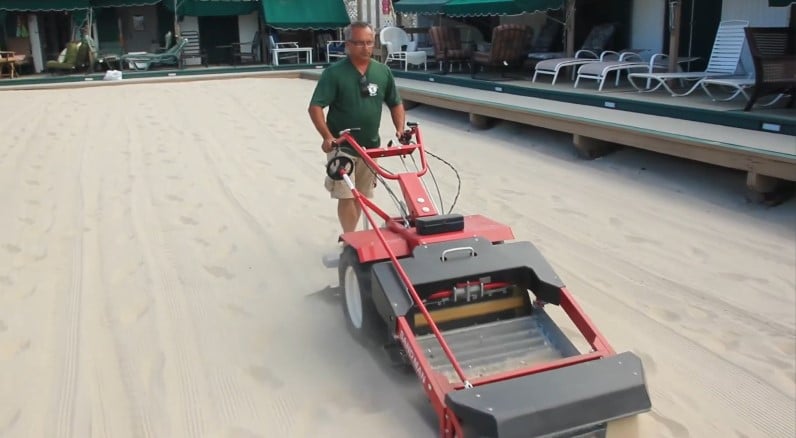
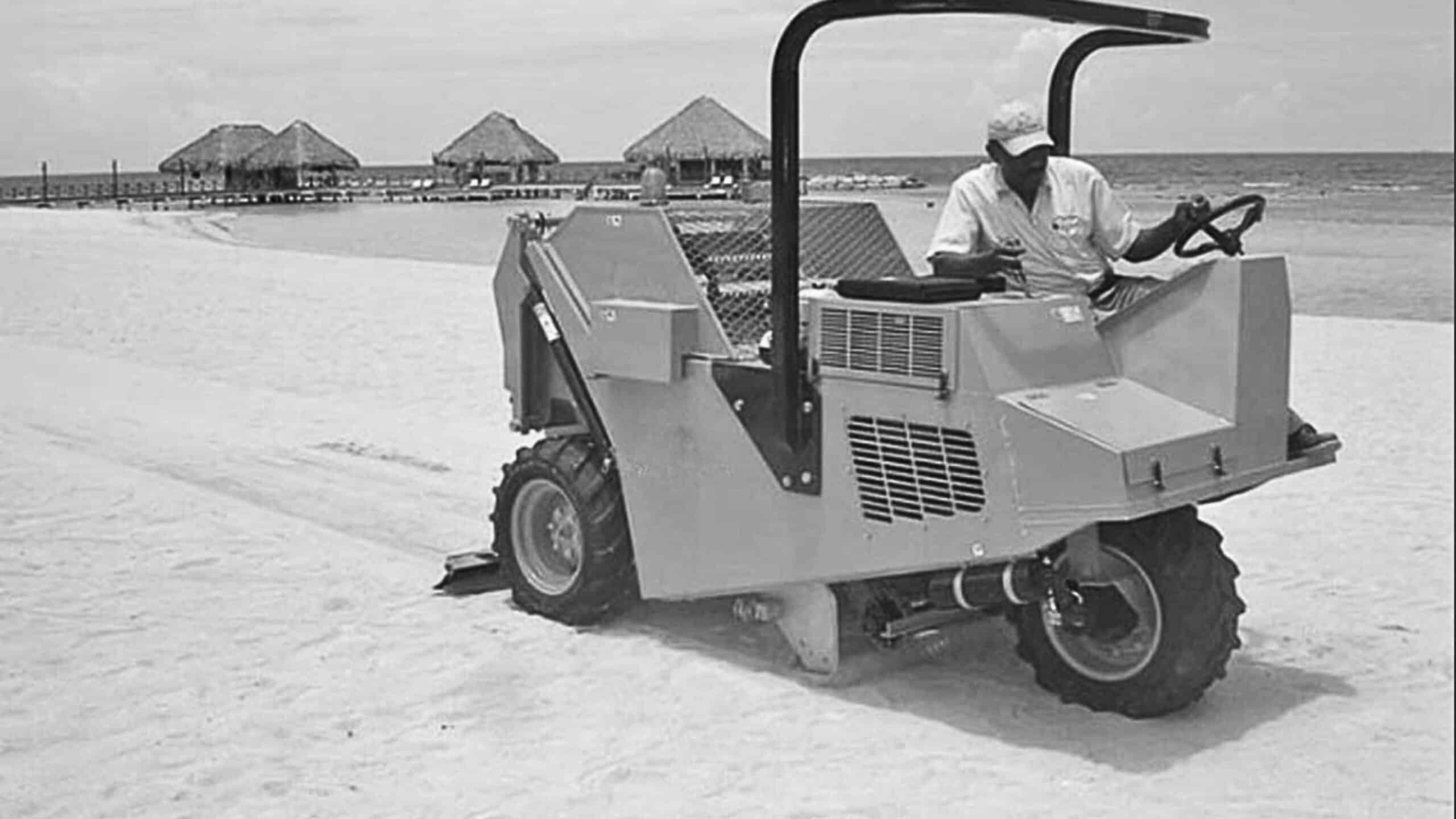
- Walk-Behind Sand Cleaners are intended for fine-cleaning small, sandy areas, like areas with beach chairs, cabanas, or beach volleyball courts, as well as small beaches. They excel at removing small debris and litter but struggle with (or simply don’t work) with larger beach debris. They begin around $15,000 USD.
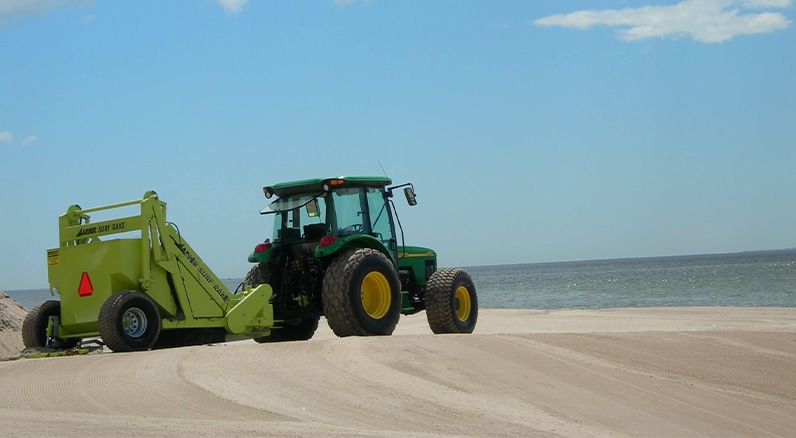
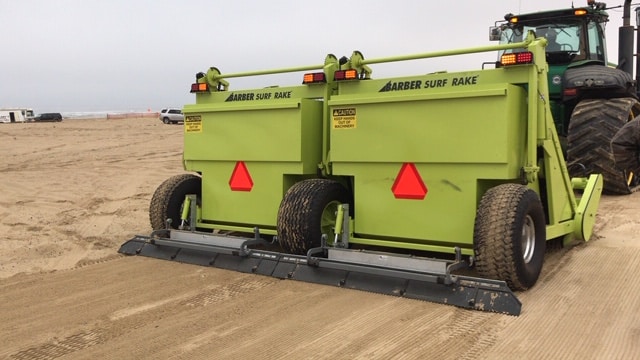
- Tractor-towed beach cleaning machines are powered by standard agricultural or utility tractors. They’re simpler, more reliable, and easier to service locally. Entry-level models begin around $30,000 USD and scale upward with width and capacity.
- Self-propelled beach cleaners, by contrast, include their own engine, transmission, and electrical systems. That extra complexity adds tens of thousands of dollars — and more potential failure points. At Barber, we manufacture walk-behind and tractor-towed designs exclusively because they deliver the most dependable cleaning performance with the fewest maintenance headaches.
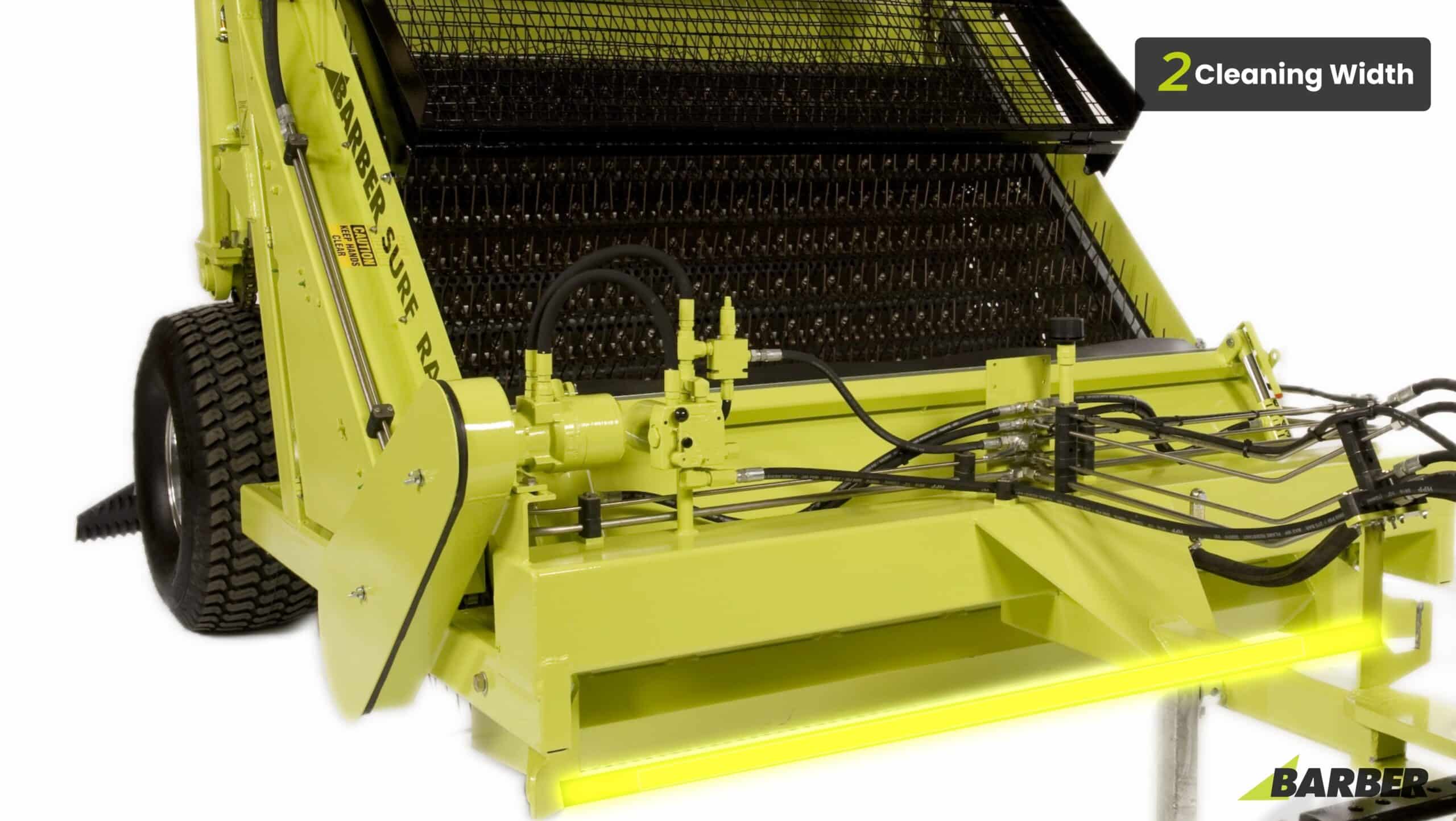
2. Cleaning Width and Overall Size
Larger cleaning widths require more components and raw materials to build, so they naturally cost more. However, this increased size helps them cover more beach in fewer passes, which increases effectiveness and reduces operational costs over time.
For operators maintaining multiple miles of shoreline each morning, the increased upfront cost can quickly pay for itself in operating efficiency.
As a rule of thumb:
The greater the cleaning width, the greater the efficiency — and the greater the investment.
Cleaning Width
Under 1.5 m
1.8 – 2.1 m
2.4 m +
Typical Use Case
Small or private beaches
Mid-size municipal/resort
Industrial & wide-shoreline ops
Relative Price Tier
Lower
Mid-range
Premium
3. Hopper Capacity
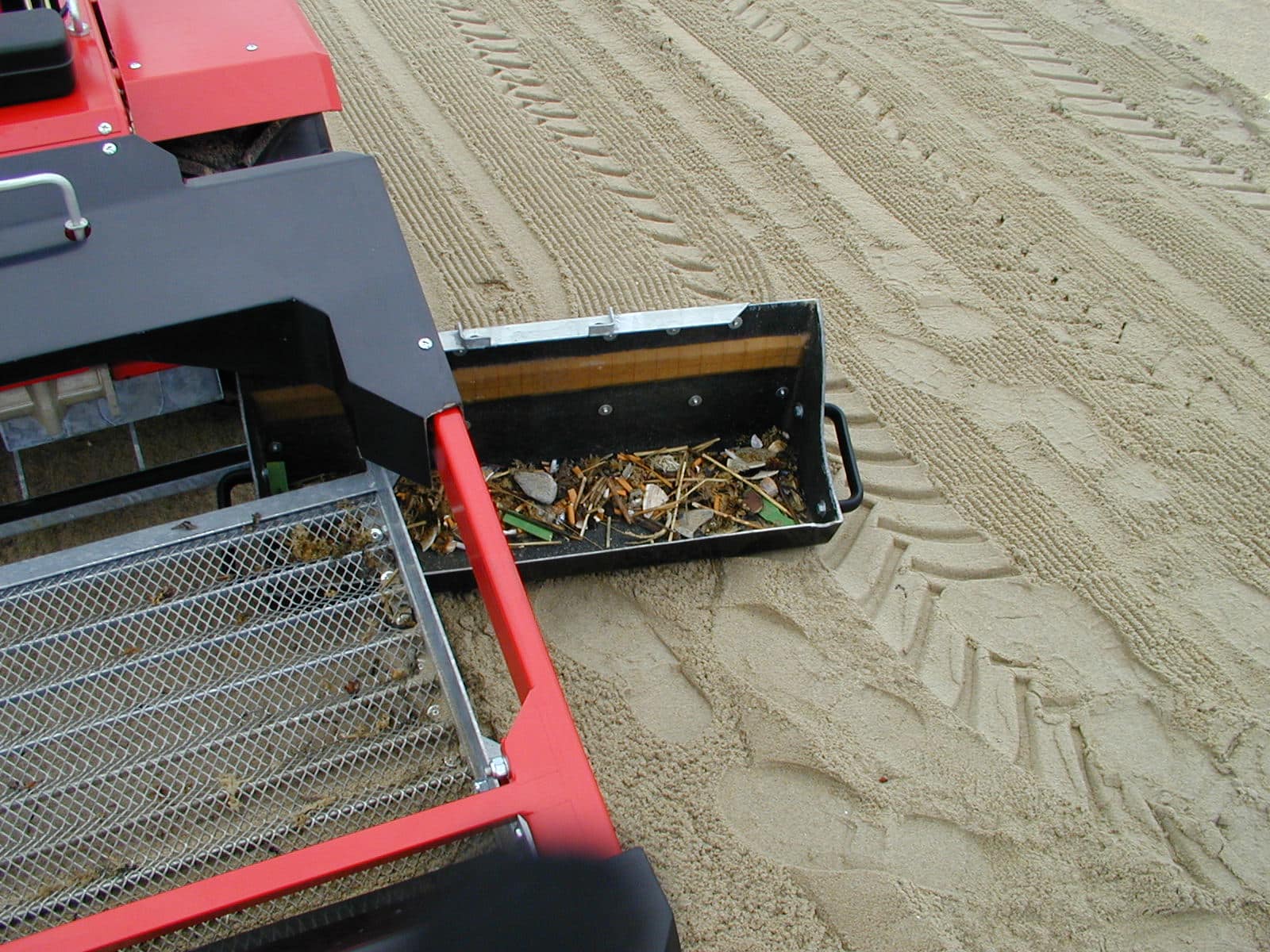
A beach cleaner’s hopper size (the debris-collection bin) directly affects both cost and cleaning productivity.
Larger hoppers demand heavier frames and wider rakes, which raise manufacturing cost — yet they allow you to clean longer without stopping to dump.
That matters for large municipal beaches, where dump sites may be hundreds of yards away, or for heavy debris conditions such as sargassum or shell buildup.
If your team spends more time dumping than cleaning, upgrading to a larger hopper can yield measurable daily savings.
4. Dump Mechanism: Ground Dump vs High Dump
How a beach cleaner empties its hopper also influences price and workflow.
- Ground-dump machines simply lower debris onto the sand. They’re affordable and work well when you can stockpile debris in a secluded area for later removal.
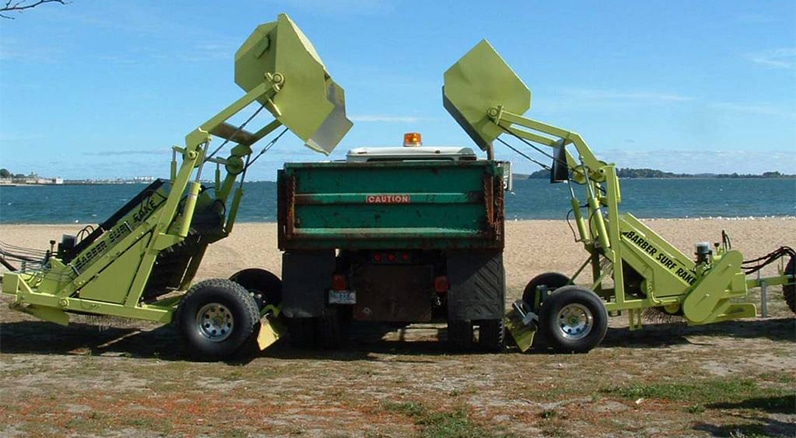
- High-dump machines use hydraulic lift systems to deposit debris directly into trucks or trailers — ideal for municipal operations where waste must be hauled away quickly.
High-dump systems add cost and weight but deliver major efficiency advantages when turnaround speed matters.
5. Custom Options and Corrosion-Resistant Features
Finally, price depends on how your beach cleaning machine is configured.
At Barber, every machine is assembled in-house, giving customers the flexibility to tailor it for local conditions:

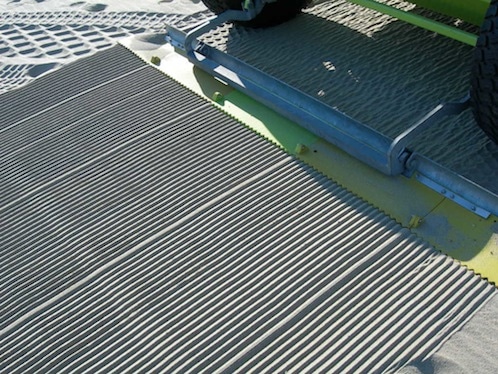
Sand-Grooming Finisher for creating a uniform 'first step' groomed sand look.
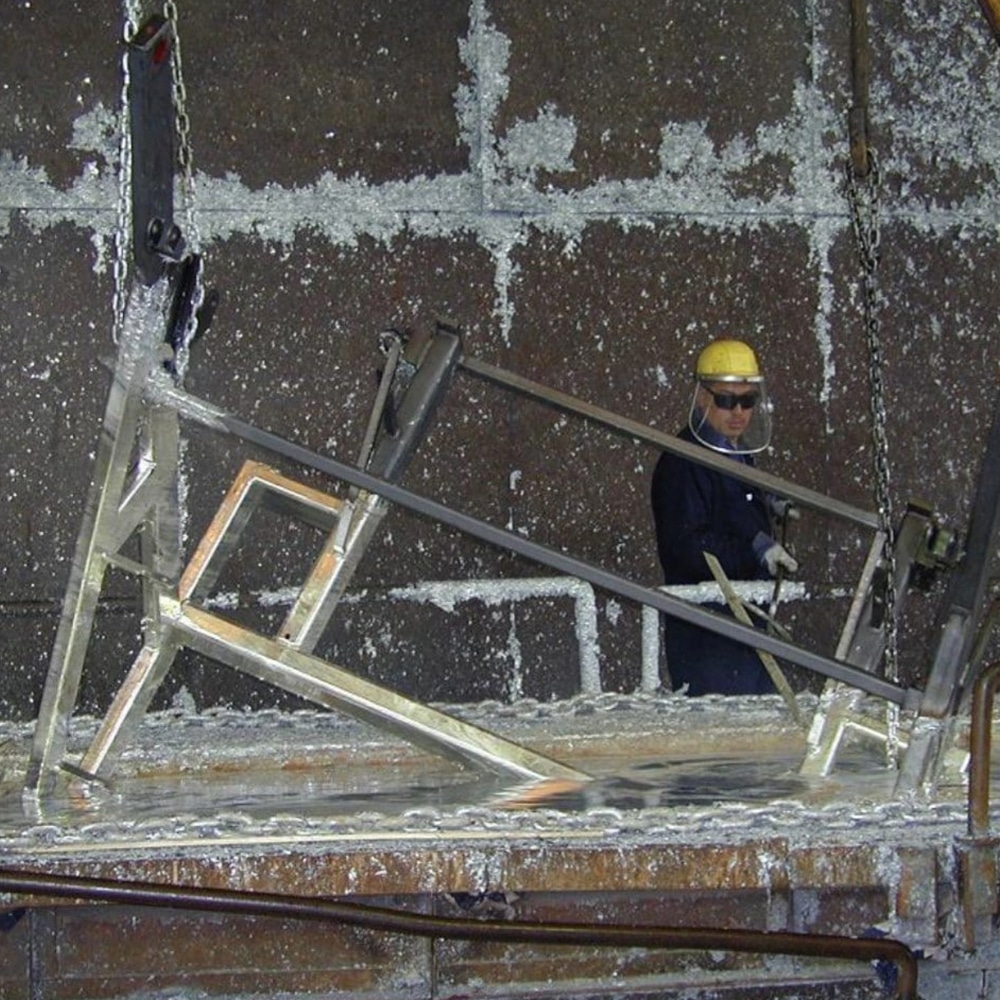
Hot-dip galvanizing or stainless steel for corrosion resistance
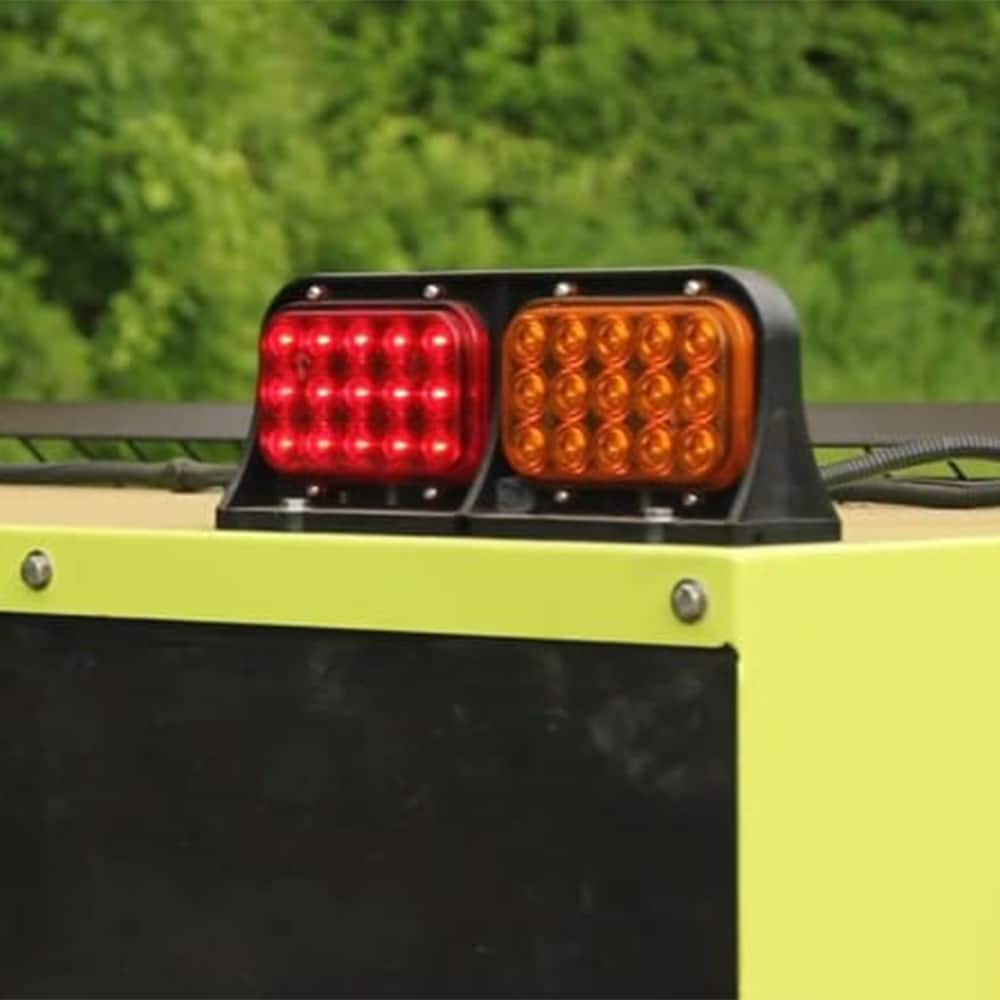
Safety lights, signage, or reflective markings for municipal visibility
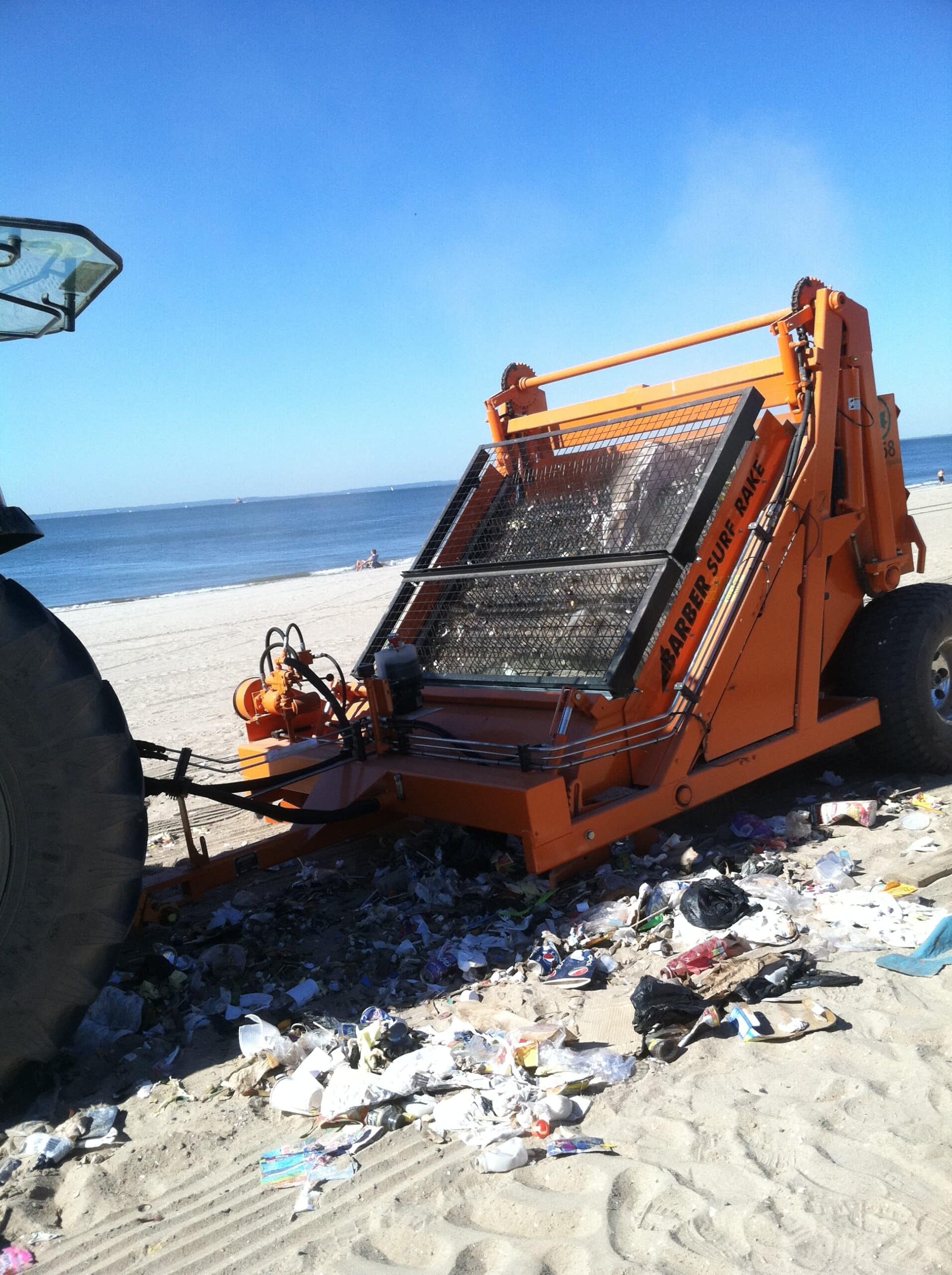
Custom colors or branding for cohesive fleet presentation
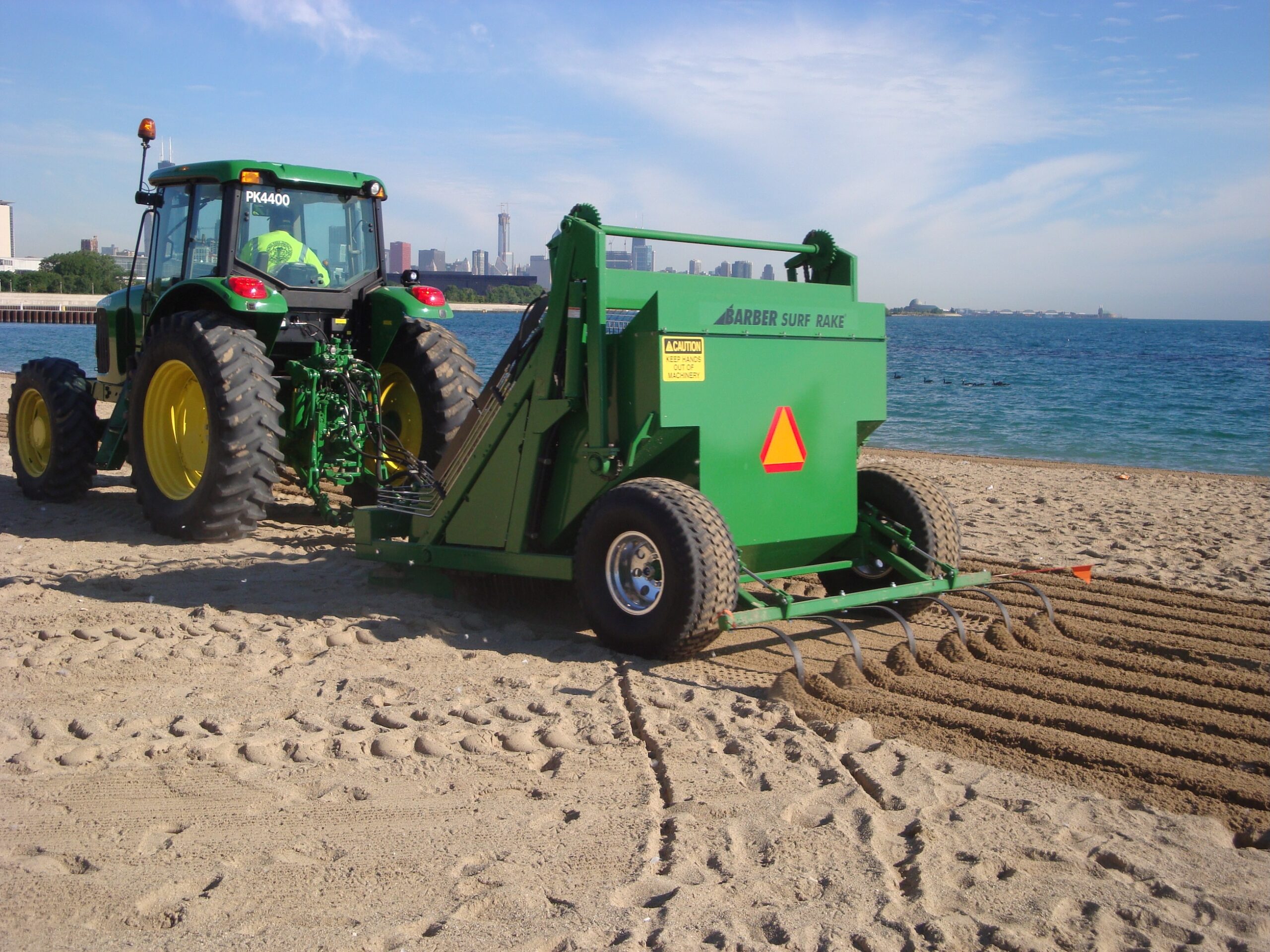
Bacteria-reducing rake attachments for health-conscious resorts
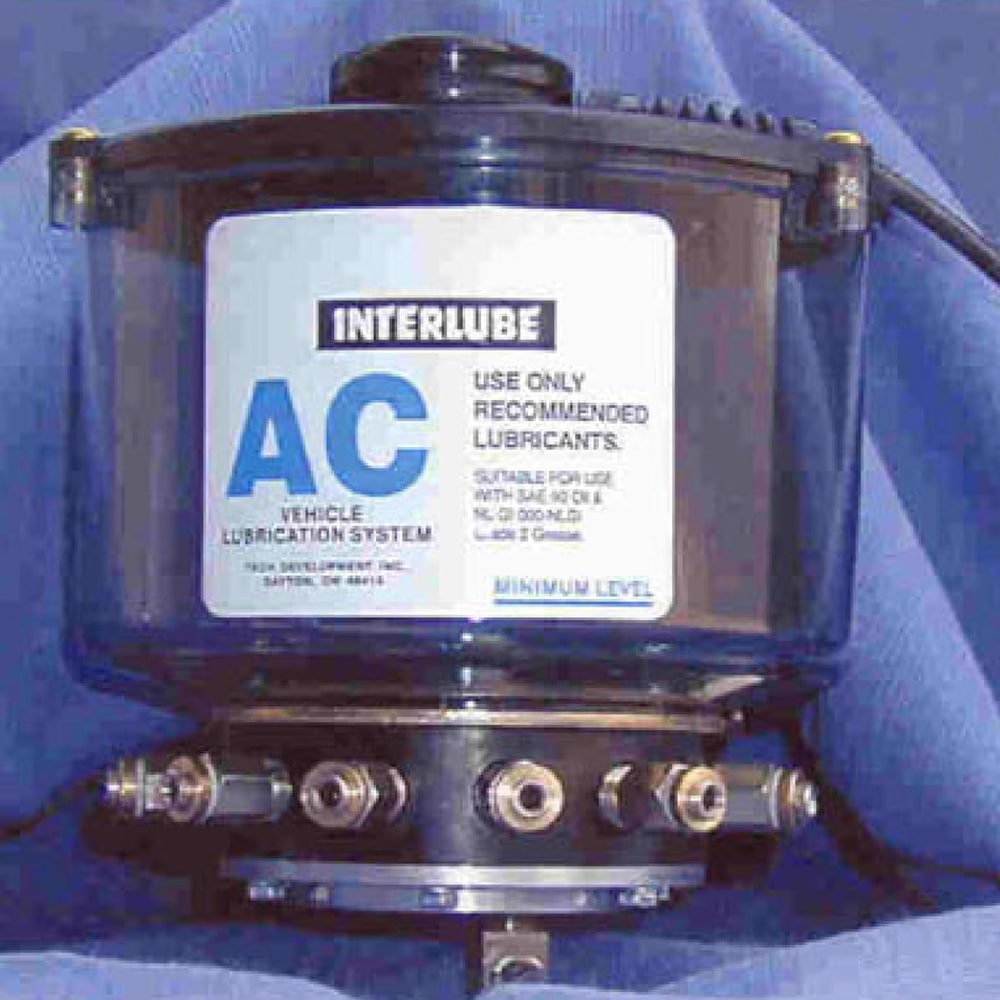
On-board grease systems or tool mounts for maintenance ease
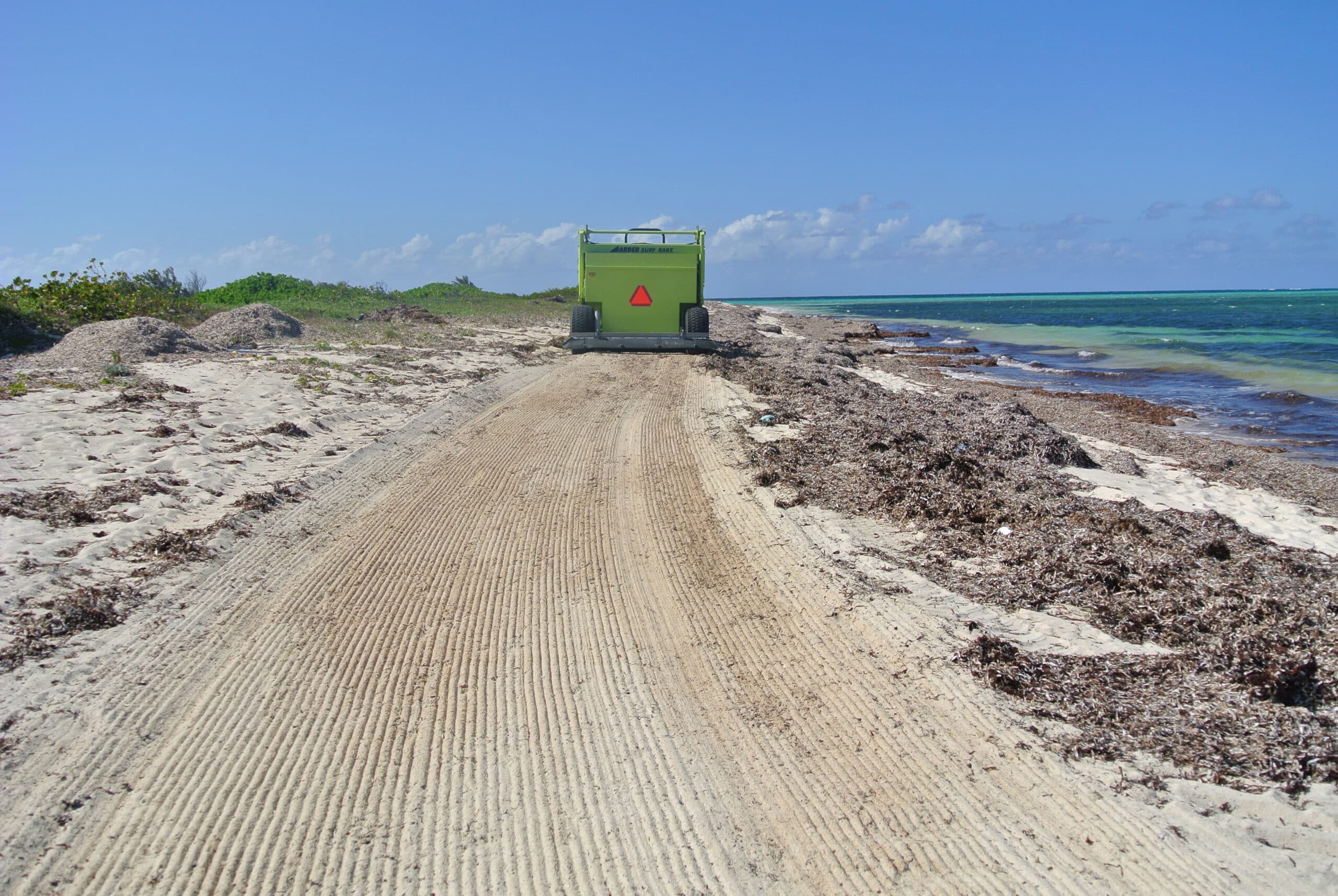
Each addition increases cost slightly, but smart customization can dramatically extend the functionality and/or service life of your equipment — especially in high-salt or high-use environments. These add-ons matter, but they typically move beach cleaner price only modestly compared to machine type and size.
Bonus Factor: Long-Term Maintenance and Ownership Cost
It’s tempting to compare beach cleaner prices only by the initial quote, but long-term maintenance costs often tell the real story.
Machines with more moving parts, electronics, and proprietary engines tend to require more frequent repairs and downtime. A simpler, mechanical design with corrosion-resistant materials can save a lot of money and headaches over time.
Meanwhile, a “budget” machine that’s down for repairs during peak season can cost more in lost service days than it saved on day one.
You can read more on our blog post about the design factors that influence long-term machine maintenance and repair costs.
Choosing the Right Beach Cleaner Price Level for Your Beach
When reviewing quotes, focus less on the dollar figure and more on how each feature supports your specific operation. Matching machine type and size to your actual conditions is the surest way to land on a fair beach cleaner price.

Municipal buyers may prioritize wide cleaning widths, high-dump systems, and corrosion protection for year-round reliability.
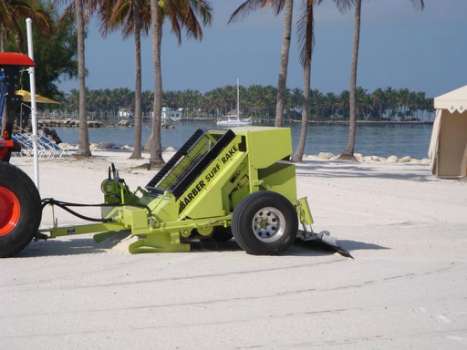
Resort operators often prefer smaller, more maneuverable models that deliver excellent surface finish and quiet operation.

Private property owners might value simplicity and easy storage over capacity.
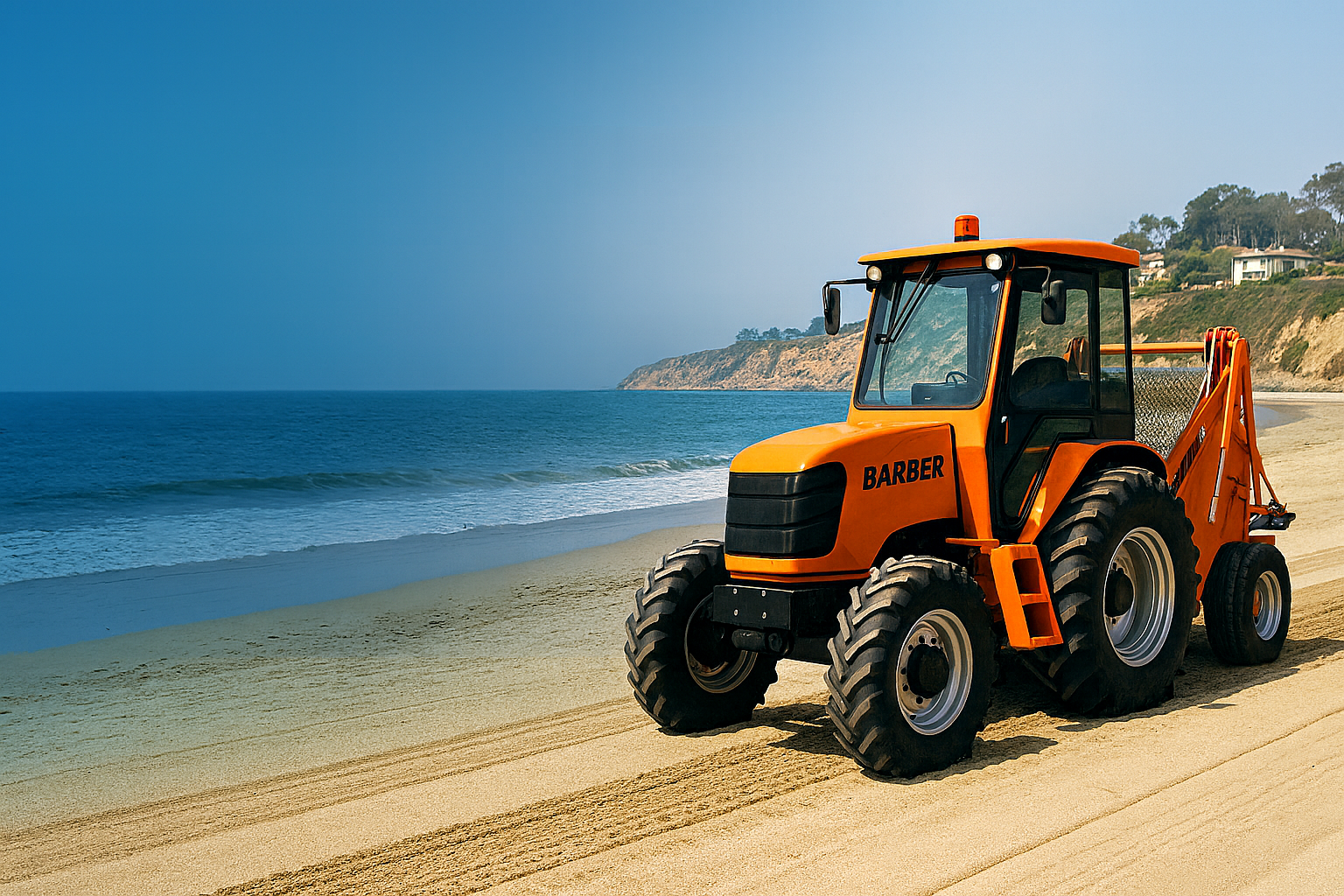
If you’re unsure which configuration fits your beach and budget, try our Surf Rake Recommendation Tool. It will provide you with a baseline recommendation for a Surf Rake based on your answers to five multiple choice questions that cover beach cleaning needs and budgets.
Conclusion: Beach Cleaner Price — Pay for What You Need, Not What You Don't
Beach cleaner prices are relatively consistent across the industry, but the variables that affect cost — machine type, size, hopper capacity, dump mechanism, and customization — make it difficult to post one definitive number.
By understanding these factors, you’ll be able to evaluate quotes with confidence, ensure you’re paying for real functionality, and invest in a beach cleaning machine that delivers years of reliable service.
Ready to Find Your Fit?
👉 Try the Surf Rake Recommendation Tool — it’s quick, free, and requires no contact info.
Get a personalized starting point for your beach cleaning needs before requesting a quote.
👉 Ready to get personalized recommendations from our expert team? Contact Us for more information and quotes.
Frequently Asked Questions
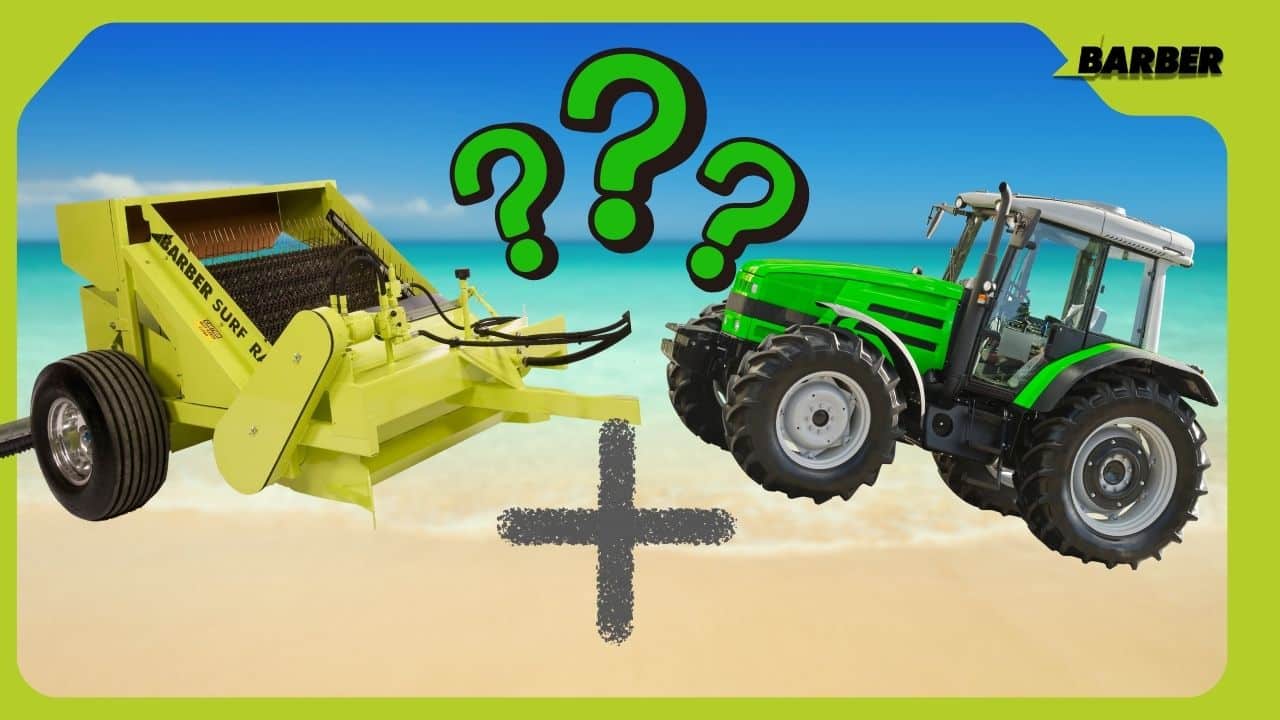
If you already own a compatible tractor, your marginal cost is only the SURF RAKE. Buyers who need to purchase or lease a tractor should factor that into total project cost, but even a SURF RAKE and a tractor typically costs less than self-propelled units and can be used in a wider variety of ways.
Financing terms depend on your purchase channel and region. Contact our sales team for information on available programs or referrals to financing partners.
Cost of ownership between the two machines can actually be fairly similar. While it is possible refurbished machines will have parts that wear faster, most of the ‘high-wear’ components are replaced at the factory during the process, so the common maintenance parts are similar to new machines.
Tines are a core part of the SURF RAKE design, not an upgrade option. Wider models have proportionally more tines. Typically, tines last many, many years before needing any kind of replacement. And when they do, they’re quick and easy to replace. An advantage of tines over larger sifting screens is that, should any damage occur, you can switch out the one or two tines, instead of replacing the entire screen. That being said, tines rarely break, because their spring action and refined metallurgy make them extremely resilient to beach conditions.
Frame the higher spec as lower cost per cleaning-hour, not a bigger sticker price. A wider machine, larger hopper, or corrosion-resistant build reduces labor hours, dump cycles, and replacement parts over the machine’s life. We help buyers translate those feature-level savings into an annual operating-cost comparison that finance teams and boards can weigh against the quote.
Durable, simply engineered beach cleaners tend to retain strong resale value because their mechanical design stays serviceable for decades and because they’re a fairly niche item. We build our SURF RAKES to run for many seasons, and reconditioned units continue to sell, supporting resale for owners who eventually upgrade.
Buy for the conditions you expect over the machine’s life, not just this season. If your debris loads, beach length, or event schedule are growing, a wider machine or larger hopper often costs less than replacing an undersized unit early. We help you weigh today’s budget against realistic future demand so you avoid both overbuying and outgrowing the machine.