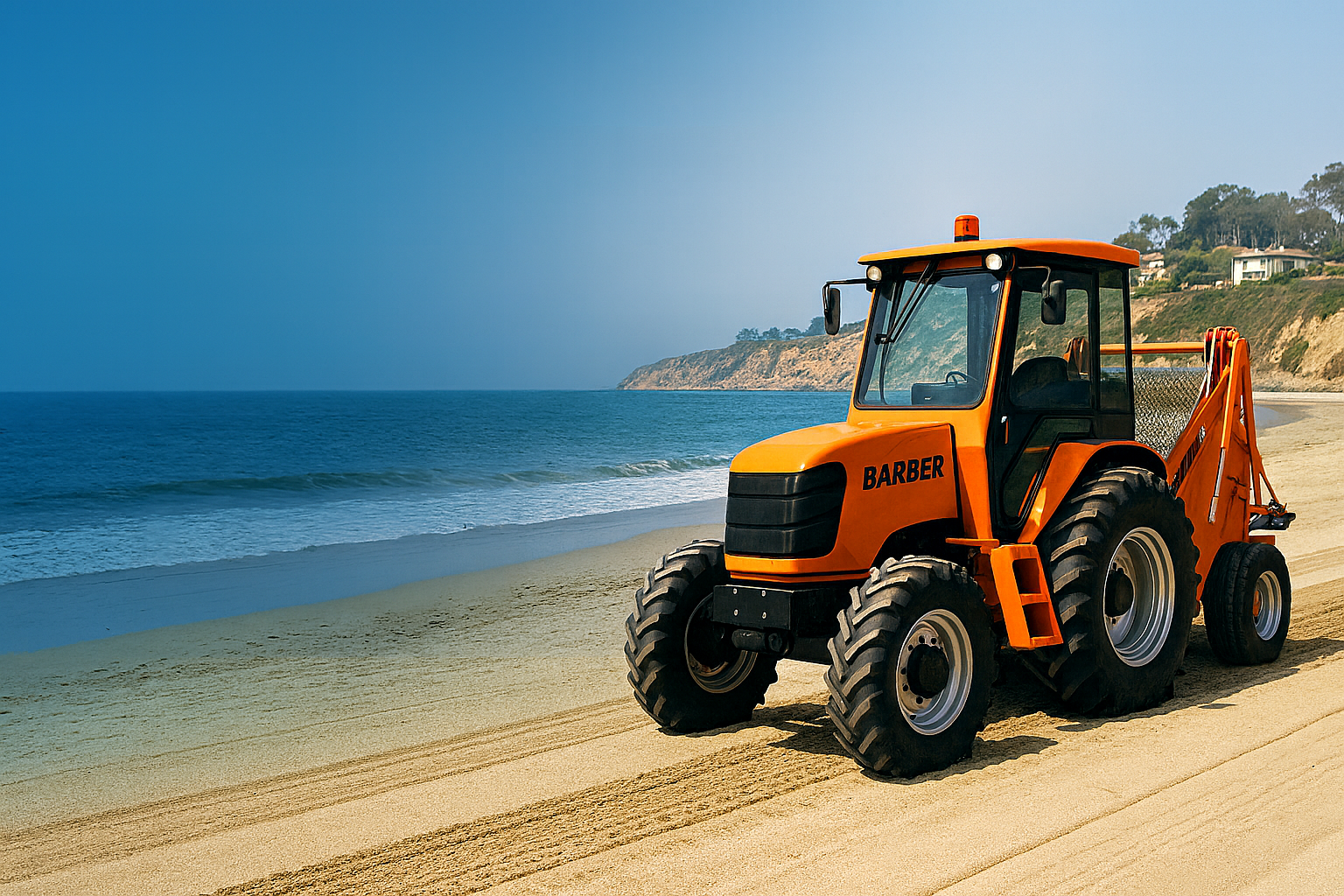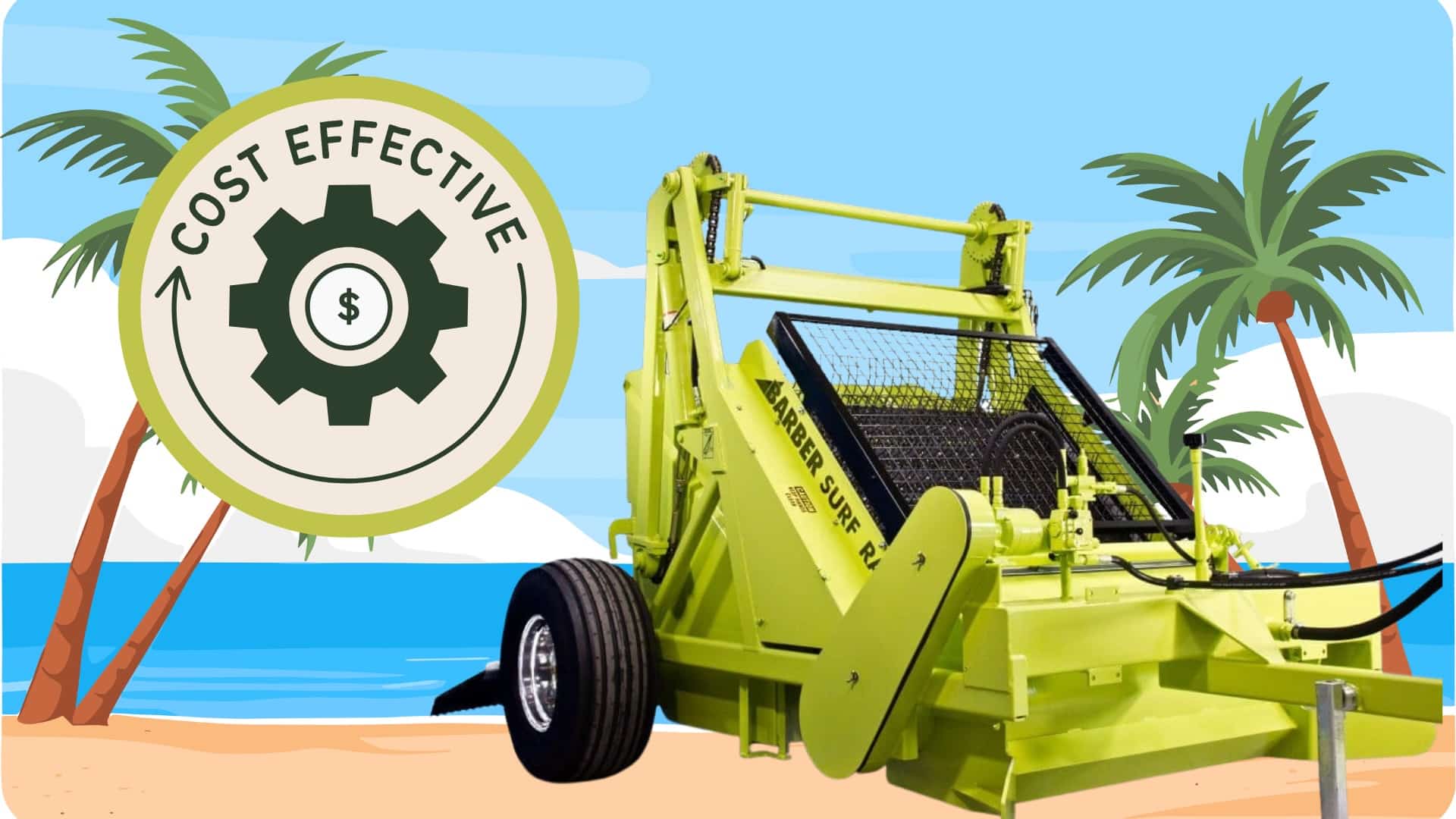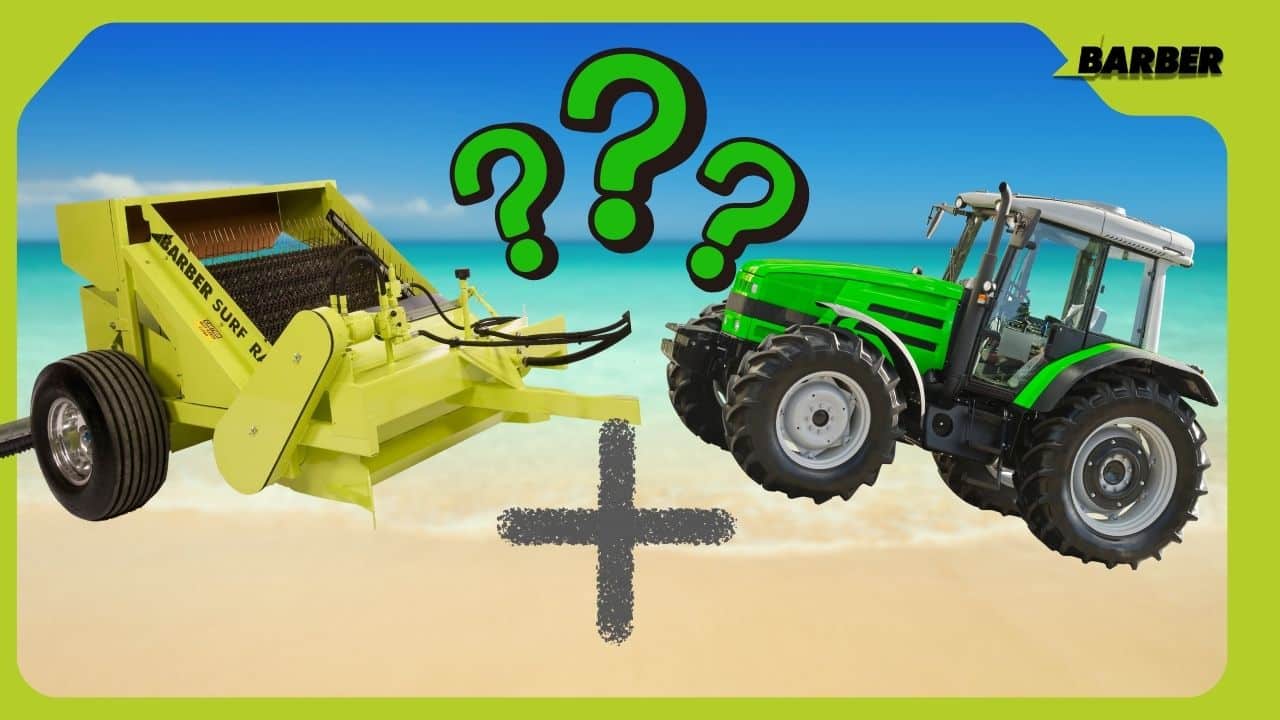
This beach cleaning machine buying guide comes down to three factors that matter more than sticker price: the cleaning method that fits your debris, the machine size that fits your beach, and the total cost of ownership over its life. Get those right and the purchase price sorts itself out. Below, we walk through all three so you can buy with confidence. If you’re about to buy a beach cleaner, these are the three checks that matter most.
Whether you manage a municipal coastline, a resort property, or a private shoreline, your beach cleaner is a daily-use investment. Its design determines how quickly you can prepare your beach, how well it adapts to changing sand and debris conditions, and how much it costs to maintain over time.
Table of Contents
1. Adaptability to Different Beach Conditions
No two beaches are the same — and many can change dramatically from one day to the next as nature, guests, and beach uses/events change.
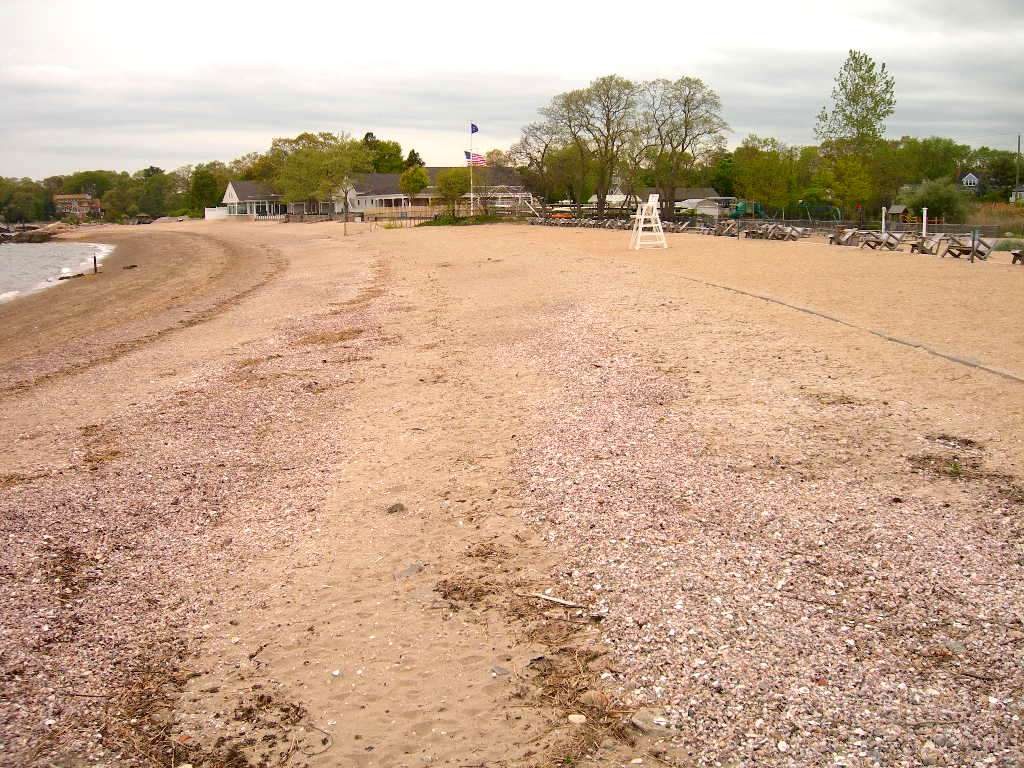
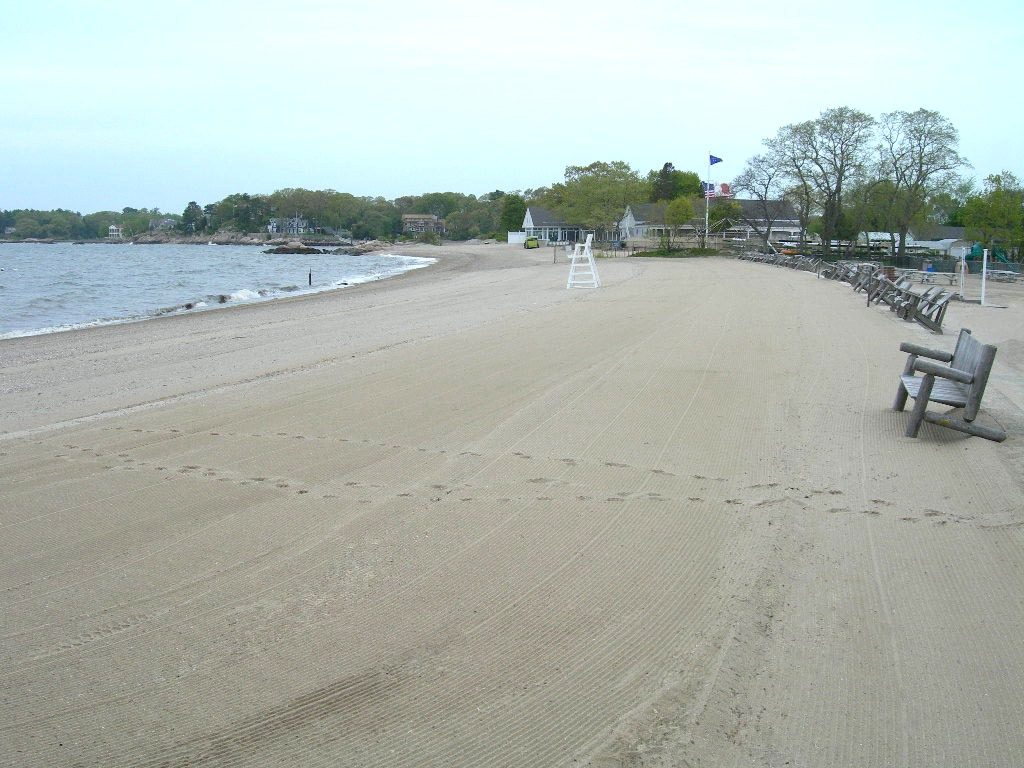
That’s why adaptability is often the most overlooked but most important factor when purchasing a beach cleaner. Debris volume and type can also shift with the seasons, storms, and nearby marine litter, which the EPA’s Trash Free Waters program tracks nationally.
Different machine designs perform better under different conditions:
- Walk-behind sifters work well for small, consistent beaches or dry-sand zones. They’re lightweight, simple, and ideal when you’re cleaning fine debris in smaller areas of uniform sand.
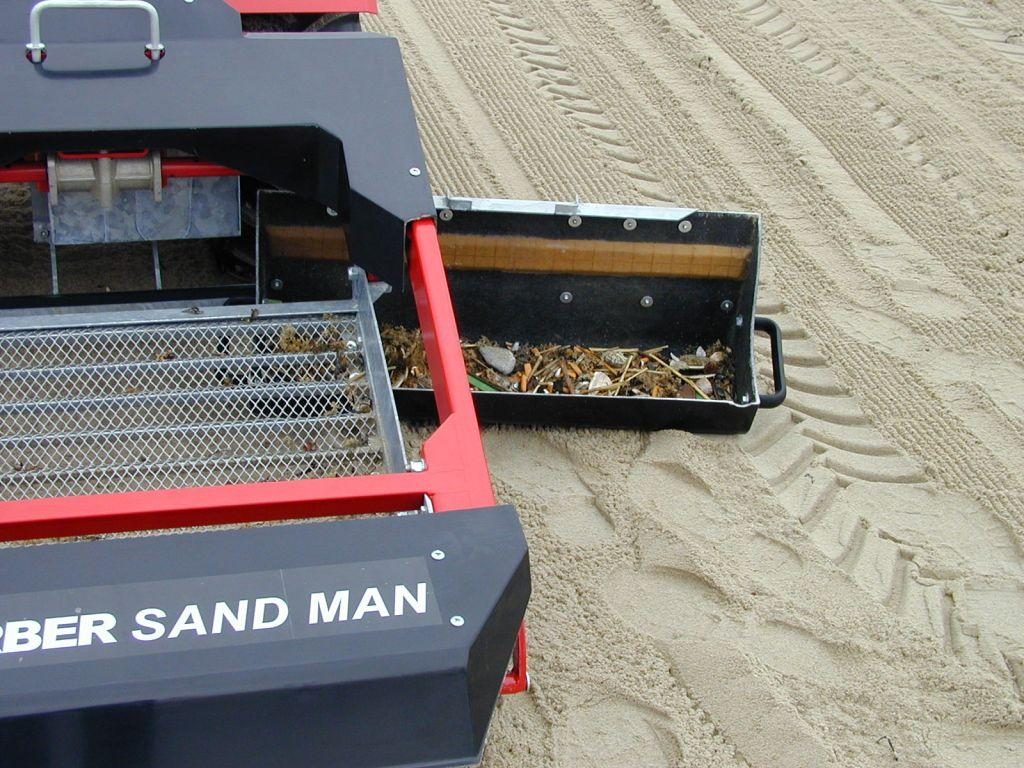
- Sifting-style towed machines clean by lifting and screening the entire sand layer. They excel at removing small debris from dry, fine sand — but struggle in wet or compacted conditions and require switching out the mesh screen to handle different debris sizes or sand textures.
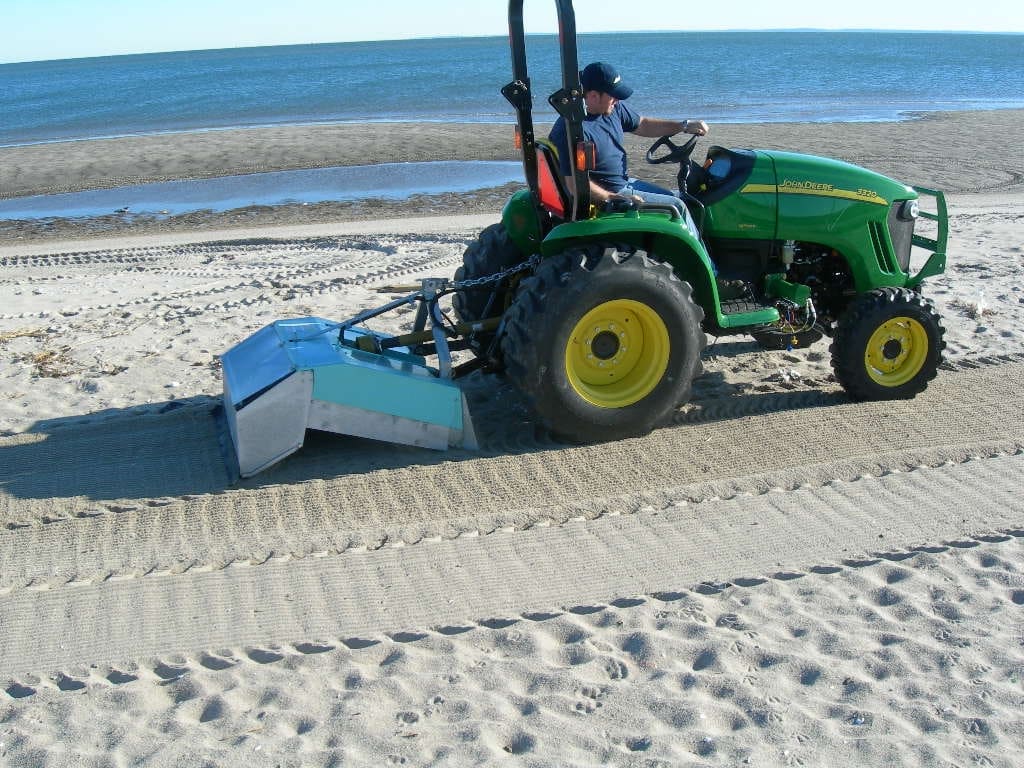
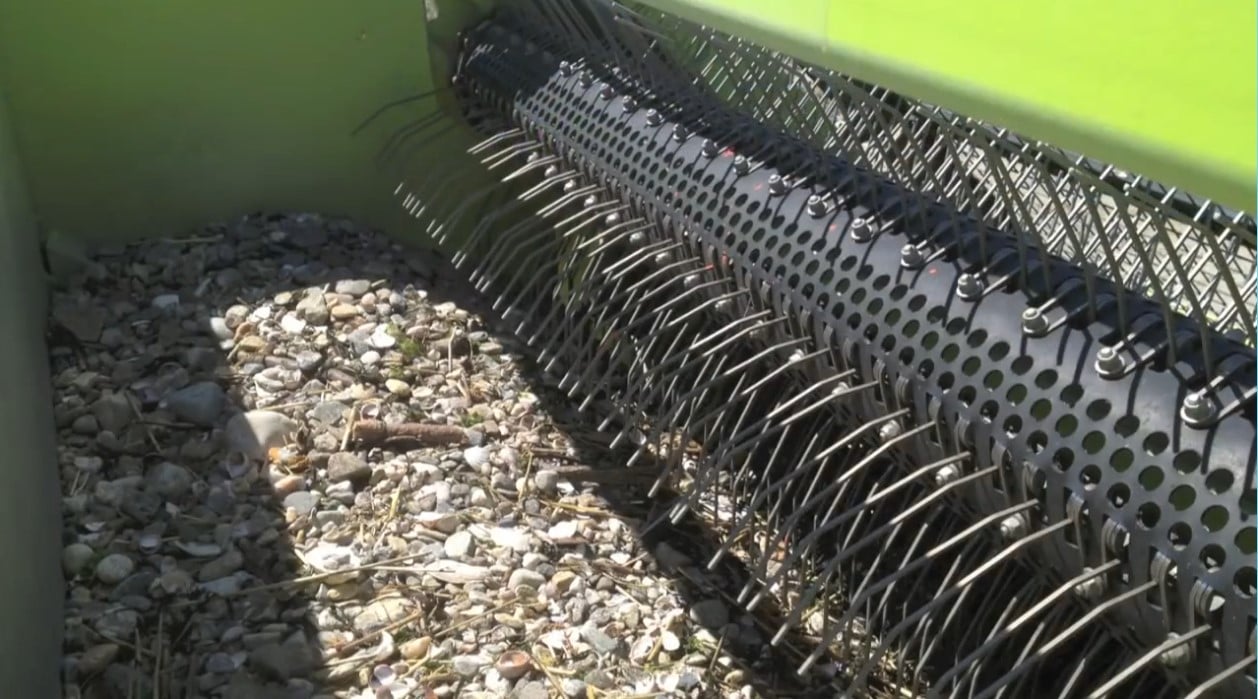
- Tine-raking beach cleaners use rows of spring tines to pick debris out of the sand surface instead of lifting the whole beach. This allows them to easily adapt between different environments — from heavy tideline sargassum one day to fine litter after a beach concert the next.
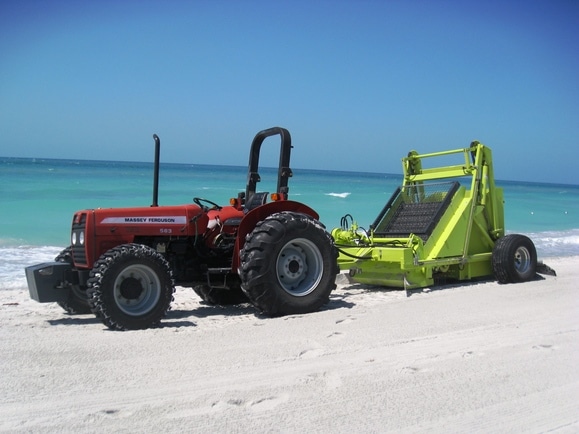
For beaches that frequently change between wet and dry zones, or that face unpredictable conditions, we’ve found an adaptable tine-raking machine offers the most flexibility with minimal setup. A few quick adjustments to cleaning depth or conveyor speed can shift it from deep wet-sand cleaning to fine surface grooming in a matter of seconds.
See how tine raking beach cleaners work to remove the debris, and not the sand.
2. Efficiency and Speed of Operation
For many operators, time is the real constraint. Most public and resort beaches must be cleaned and cleared before patrons arrive — often before 8 a.m. in peak season. That makes cleaning speed critical.
The design of the beach cleaning machine plays a huge role here:
- Sifters have to lift and process the entire layer of sand through a moving screen. It’s effective for uniform conditions but takes more time and fuel, since the machine is processing every inch of sand regardless of how clean it already is.
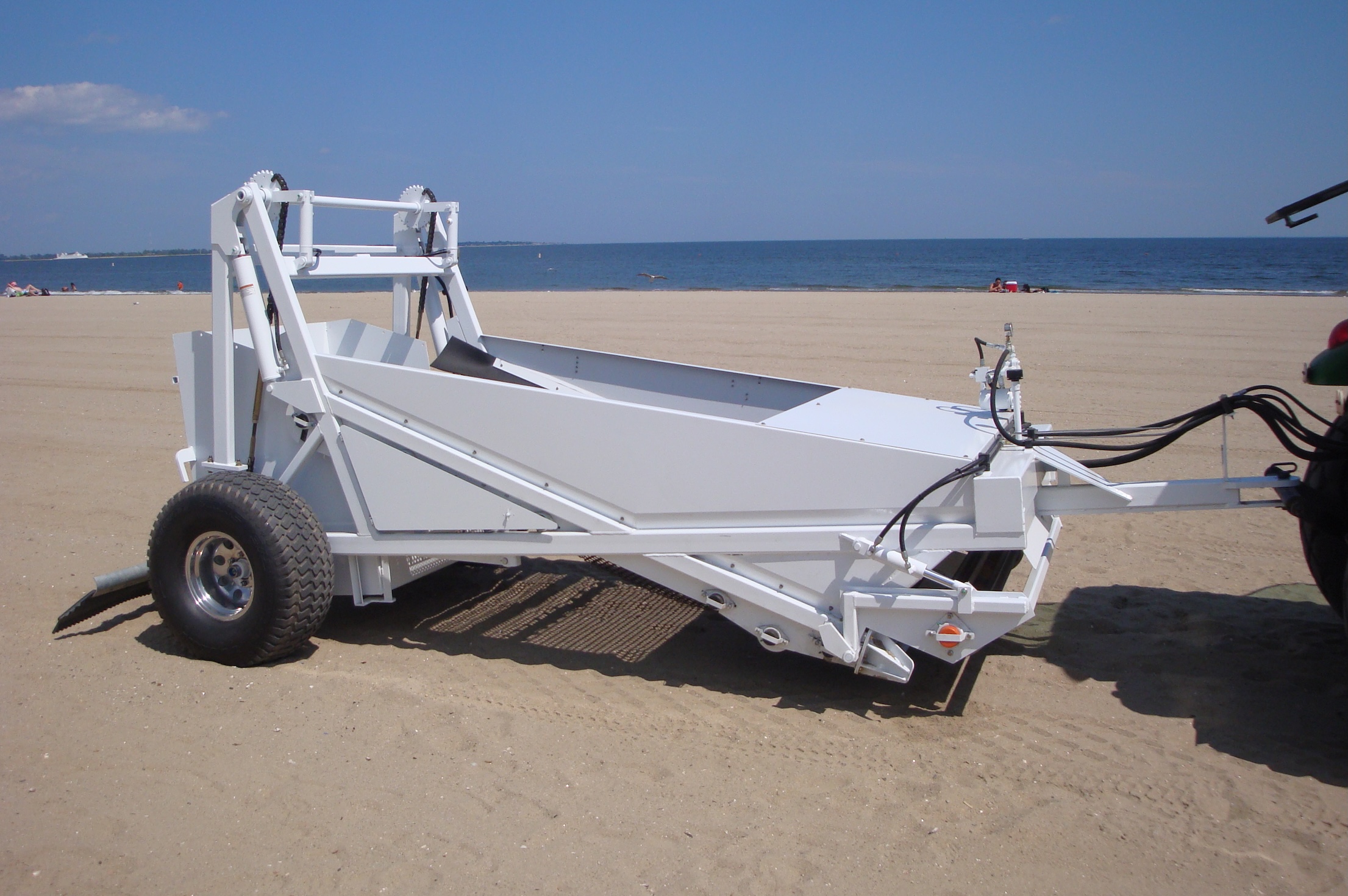
- Tine-raking machines operate more efficiently by picking debris out of the top layer of sand without lifting the entire beach. This reduces the mechanical load, shortens cleaning time, and allows faster ground speeds–all while still cleaning the beach just as thoroughly — which a huge advantage for municipalities, large resorts, and operators covering miles of coastline each morning.
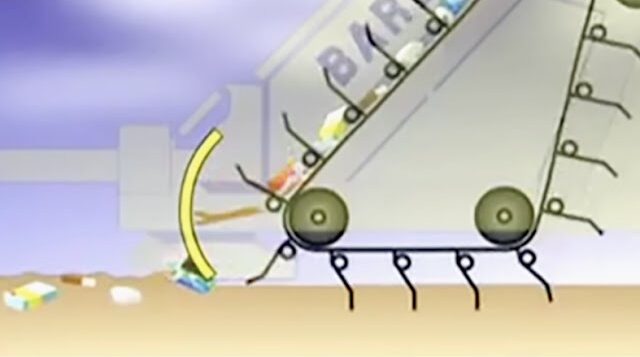
Because tine-raking designs move less material, they also experience less wear and lower fuel consumption. That efficiency doesn’t just save time — it extends machine life and reduces maintenance costs over the long run, which leads us to:
3. Maintenance Costs to Weigh Before You Buy a Beach Cleaner
Maintenance is the factor most often underestimated during the buying process — yet it has the largest long-term impact.
Any machine working in sand and saltwater needs care to remain reliable. But the level of required maintenance varies dramatically depending on the cleaner’s design:
- Sifting machines use screens and vibration systems that wear faster in salt and moisture. Screens can corrode or clog and need regular replacement, especially if you’re working in areas with wet sand or seaweed.
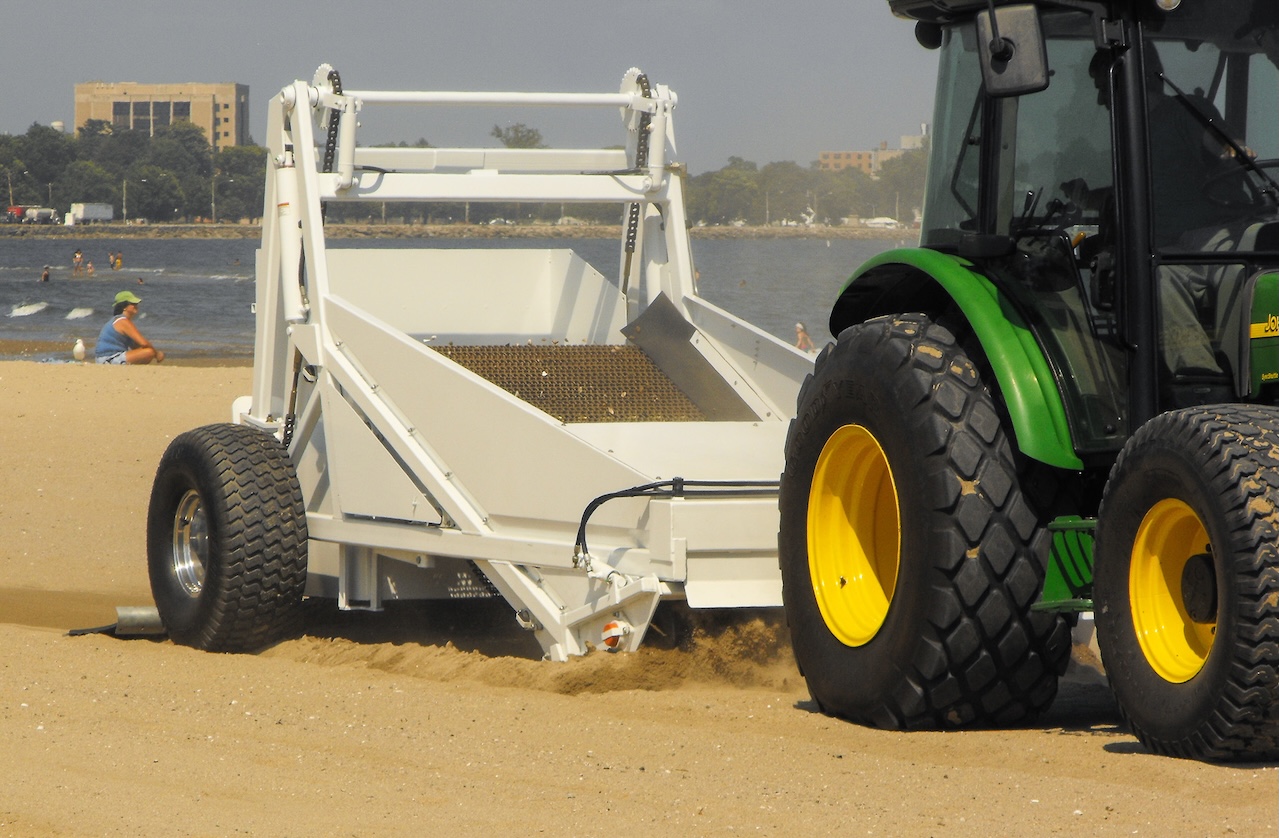
- Tine-raking machines use fewer moving parts and no fine screens, making them simpler to maintain. The tines and conveyor components are easy to access and made from corrosion-resistant materials, which helps reduce downtime and replacement costs.
- Regardless of design, routine rinsing after use, lubrication of key points, and storage under cover will dramatically extend the machine’s lifespan.
Over time, simpler mechanical systems tend to result in lower total cost of ownership — particularly in high-salt or heavy-debris environments. For many operators, reduced maintenance becomes the single biggest ROI factor when comparing machines. Factoring in upkeep costs is one of the smartest things you can do before you buy a beach cleaner.
Balancing Adaptability, Speed & Maintenance When You Buy a Beach Cleaner
Sifters can excel on uniform beaches where fine debris and dry sand dominate.
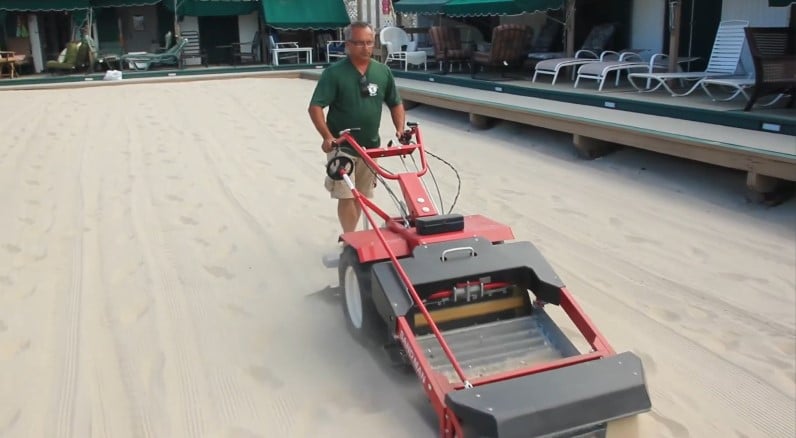
Walk-behinds are ideal for tight or seasonal spaces.
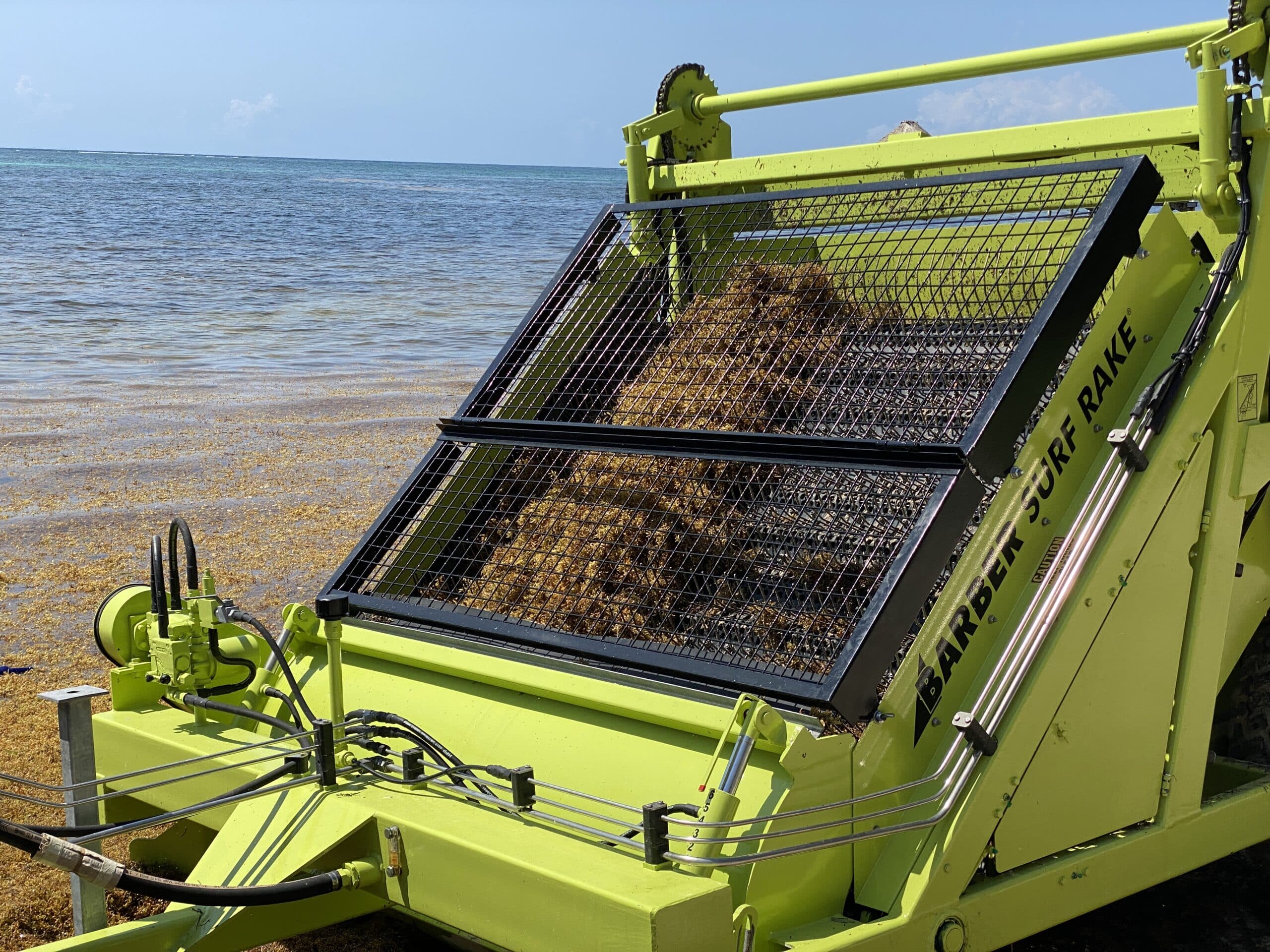
But for beaches that experience changing conditions, heavy use, or large surface areas, a tine-raking design offers a practical balance of adaptability, speed, and longevity.
In the long run, the best beach cleaner is the one that matches your beach’s variability, your operating schedule, and your maintenance resources — not just the one with the lowest sticker price.
Final Thoughts Before You Buy a Beach Cleaner
Deciding to buy a beach cleaner isn’t just about the machine itself — it’s about ensuring your operation runs smoothly, day after day, year after year.
A well-selected beach cleaning machine helps you keep your shoreline safe, beautiful, and guest-ready while minimizing labor and maintenance costs.
Before purchasing, take time to assess:
- The range of conditions your beach faces (wet vs. dry, debris types, usage).
- Your daily cleaning window and available manpower.
- Your tolerance for maintenance and parts replacement.
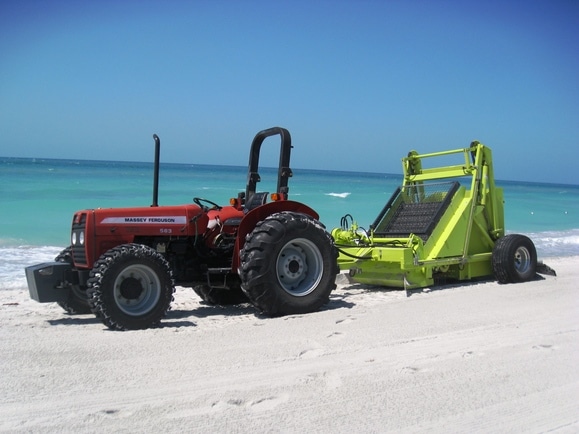
The right combination of adaptability, speed, and reliability will keep your beaches pristine – and your operations efficient – season after season.
Learn More
Need help determining which type of beach cleaner fits your conditions best?
👉 For personalized advice, contact the Barber team — we’re happy to help match you with the right equipment for your shoreline, as we’ve been doing for customers for over 60 years across over 90 countries. We’ve seen all the types of beaches out there and likely can quickly provide a recommendation that will save you days of research.
Frequently Asked Questions
The three key factors are: (1) adaptability — can the machine handle the range of conditions your beach faces; (2) efficiency and speed — can it clean your beach within your available operational window; and (3) maintenance and long-term cost of ownership — how much will it cost to keep operational season after season.
Yes. Buying a more expensive, and higher quality, machine typically has lower annual maintenance costs, better support, and more reliable day-to-day performance and parts availability. Over a 10–20 year operational life, those savings can more than offset a higher purchase price — making total cost of ownership the more useful comparison metric than sticker price.
Assess: (1) the range of conditions your beach faces — wet vs. dry sand, debris types, usage patterns; (2) your daily cleaning window and available manpower; and (3) your tolerance for maintenance investment and parts replacement. The right machine matches your beach’s variability and operational constraints, not just budget. There are also other considerations that are less-complex; like, does your beach have large enough access points for a machine, where would you store it, do you have or can you hire an operator, and others. Contact us for a full consult to make sure a machine could be a good fit for your beach operation.
It depends on cleaning frequency and control. Properties needing daily, guest-ready results on their own schedule usually benefit from owning, while occasional or single-event cleanups may suit a contractor. Owning fixes your cost and guarantees availability during peak season; contracting trades that control for lower commitment. We can help you compare both against your cleaning window and budget.
Write the spec around what your beach actually requires: cleaning method for your debris, working width for your area, dump height, and corrosion protection for salt exposure. A detailed spec lets procurement compare qualified machines on capability rather than price alone. We help buyers build specifications that distinguish a machine engineered for their conditions from a cheaper unit that isn’t.
Order well before your season starts, since build time, shipping, customs clearing (if applicable), and delivery introduce more timing variability than just machine availability. Buyers who wait until debris is already surging often miss the window when the machine matters most. We recommend planning the purchase during the off-season so the unit is delivered, set up, and crews are trained before your first busy weekend.