Why You Need a Long-Term Strategy for Combatting Microplastics on Your Beach
Building a beach cleaning program for microplastics means pairing the right screening equipment with a repeatable schedule, not a one-time cleanup. Fine sifting machines can pull plastic fragments down to a few millimeters out of the sand, but lasting results come from running them on a regular cadence. This guide lays out how to build that long-term program, step by step.
A well-designed beach cleaning program ensures:
✔ Microplastics are removed before they accumulate.
✔ Your beach remains attractive to visitors year-round.
✔ You reduce labor and costs over time with efficient systems.
✔ Your business or municipality gains positive recognition for environmental stewardship.
Building a sustainable cleaning program requires choosing the right methods, equipment, and frequency—let’s break it down.
Step 1: Define Your Cleanup Goals
Before starting, consider:
- How severe is the microplastic pollution on your beach?
- What budget and resources do you have?
- Are you managing a public beach, private resort, or community-led effort?
Your approach will depend on whether your beach needs frequent deep cleaning or lighter, periodic maintenance.

Step 2: Choose the Right Cleanup Method
Manual Cleanup
If your beach only deals with occasional microplastic buildup, manual labor may be sufficient.
Best for:
✔ Smaller, community-driven cleanup events.
✔ Supplementing mechanical cleaning efforts.
✔ Creating public engagement and awareness.
Not ideal for:
❌ Large beaches with persistent microplastic pollution.
❌ Beaches needing fast and frequent cleaning.
Mechanical Cleaning
If microplastics are a recurring issue, investing in beach cleaning machines is the most efficient and cost-effective approach.
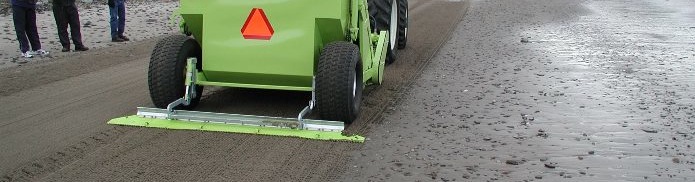
Pros of Mechanical Cleaning:
✔ More consistent than manual cleanup.
✔ Covers larger areas in less time.
✔ Can be scheduled regularly to keep beaches clean.
Cons:
❌ Requires upfront investment.
When to Use Mechanical Beach Cleaners to Combat Microplastic Pollution:
- If your beach regularly deals with microplastic pollution.
- If you need an efficient, long-term solution.
Recommended Types of Beach Cleaning Machines for Microplastic Removal
As mentioned in the previous section of this ‘Combatting Microplastics’ resource, different kinds of beach cleaning machines are better at supporting different stages of the microplastic removal process.
We generally recommend combining the use of two machines: A larger unit for removing secondary (larger) microplasticsand a small, walk-behind unit for removing finer microplastics in high-traffic areas, though our specific recommendations depend on your beach’s size, conditions, budget, and available resources for cleaning.
1️⃣ Large Beach Cleaning Machines (Conveyor-Based Systems)
- Removes plastic debris like bottles, caps, and wrappers that break down into smaller microplastics.
- Not effective for microplastics smaller than 5mm.
- Great for high-traffic beaches that also deal with seaweed and larger debris.
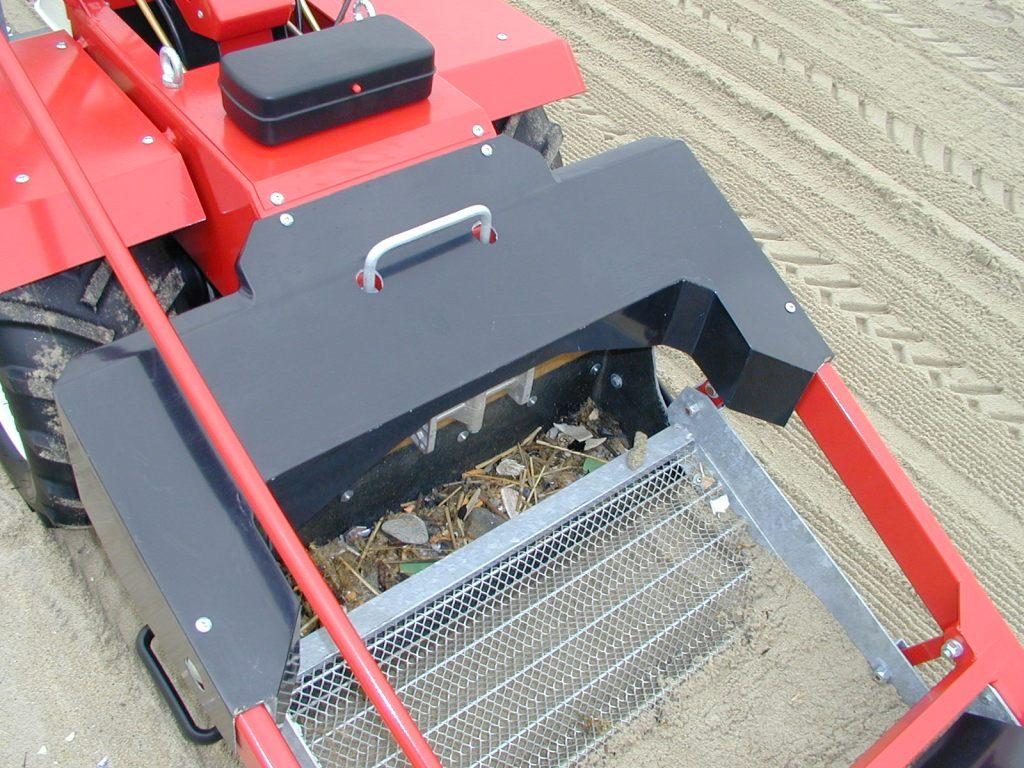
2️⃣ Small Sifting Machines (Ideal for Microplastics <5mm)
- Uses fine screens to filter out medium to large microplastics.
- Best for targeting heavily polluted areas.
- Small models work well for precision cleaning in high-traffic zones.
Step 3: Set a cleaning schedule
Regardless of which cleaning method you pick, consistency is key. Your cleaning schedule will depend on:
📅 Tourism Seasons – More frequent cleaning during peak visitor months.
🌊 Weather Patterns – Storms and tides bring in new microplastics.
👣 Foot Traffic – Higher visitor numbers increase plastic waste.
Example Schedule:
✔ Daily or Weekly Cleanups – High-traffic beaches with visible pollution.
✔ Biweekly or Monthly Cleanups – Beaches with moderate debris accumulation.
✔ Seasonal Deep Cleaning – Before and after peak tourism seasons.
Step 4: Prevent Future Microplastic Buildup
Even the best cleanup plan won’t work without taking steps to reduce new pollution.
The best step you can take is to set up a regular beach cleaning program to consistently remove secondary (larger) microplastics, as soon as they arrive on your beach–whether through your beach patrons or from the ocean.
As larger plastics sit on your beach, they degrade into microplastics that seep into your sand and become much more difficult to remove.
Beach cleaning machines can make this process much faster & easier to sustain for the long term. Learn more about this in the next section.
Actions to Minimize Microplastic Accumulation:
Additionally, other steps can be taken to prevent the secondary microplastics from arriving on your beach in the first place.
Increase Trash & Recycling Stations – Make disposal convenient for visitors.
Ban or Limit Single-Use Plastics – Straws, utensils, and bottles are common secondary microplastic sources.
Launch Community Awareness Campaigns – Educate beachgoers about the impact of plastic pollution.
Install Stormwater Filters – Prevent microplastics from washing onto the beach.
By combining removal efforts with preventative strategies, you reduce the long-term impact of microplastics on your beach.
Step 5: Track Your Efforts
To ensure long-term success, track your program’s impact and share your results.
Cleaning Metrics to Measure
📊 Amount of microplastics and litter removed.
👥 Volunteer participation (if applicable).
🌍 Improvement in beach cleanliness over time.
Step 6: Generate Publicity & Community Engagement
✔ Post before-and-after photos on social media.
✔ Publish updates on your website showcasing cleanup efforts.
✔ Partner with local news outlets to highlight environmental initiatives.
A well-maintained beach isn’t just good for the environment—it’s a powerful marketing tool that attracts visitors and builds community trust.
Learn more about how to boost your beach’s reputation and attract more beachgoers using your microplastic program here:
Frequently Asked Questions
The two-machine approach pairs a tractor-towed SURF RAKE for open beach areas to remove secondary sources of microplastics with a self-propelled SAND MAN for congested zones near furniture, structures, and the water’s edge to remove large microplastics. Together they provide comprehensive coverage that no single machine can match.
The SAND MAN machines offer screens as fine as 3/16 inch, capturing particles down to approximately 5mm. Microplastics smaller than 5mm will pass through current sifting technology and cannot be practically removed at scale by any mechanical means.
Tides concentrate microplastics at wrack lines — the debris band deposited at high tide mark. Cleaning shortly after high tide recedes maximizes plastic captured per pass.
Potentially. The SURF RAKE requires an operator who can drive a tractor. Anyone can operate the SAND MAN within a few minutes of training. It’s possible the same person could operate both machines, depending on the time window available for cleaning.
Lead with the beach’s effect on revenue, not the equipment invoice. H. Barber & Sons recommends presenting review data — how beach mentions track against star ratings in peak versus shoulder weeks — alongside the manual labor hours a mechanical program replaces. Frame the purchase as a capital asset that protects bookings and reputation, and document projected cleaning coverage so finance can weigh it against your current manual spend.
Wet, tideline sand is where fine sifting struggles most, especially with seaweed present. We suggest clearing the tideline with a tine-raking SURF RAKE first to ensure no secondary microplastics sit on the beach, and then running a fine-screen sifter through the drier upper beach where microplastics settle. Matching each machine to the zone it handles best keeps your program effective across conditions instead of forcing one machine to do the whole beach.
Start by documenting conditions before your first cleaning. We recommend recording debris volume collected per pass and taking dated photos and sand samples from the same marked zones, then re-sampling on a set cadence. Tracking pounds removed alongside these fixed reference points shows change over time — the kind of evidence that supports public reporting and internal budget reviews.
Are you interested in using a mechanical beach cleaning machine to help you combat micro plastics?
Every beach has unique needs when it comes to microplastic removal. Our team has helped resorts, municipalities, and beachfront businesses worldwide create customized cleaning solutions that balance efficiency, cost, and sustainability.
Get a free consultation with our experts to find the best beach cleaning strategy for you.