Beach cleaner maintenance costs are the second half of ownership — what you’ll spend to keep a machine running reliably season after season, beyond the purchase price.
Just like estimating the maintenance needs for a car, your annual costs depend on hours of operation, operating conditions, how well you care for the equipment, and the initial quality and design of the equipment, itself.
Below, we walk through the real maintenance costs to budget for and how to reduce them over the life of your machine.
what are going to be the maintenance costs, the spare parts costs in a given year?
The number of hours used is really what it comes down to. So for example,
We’re standing here on the east coast of the United States, the particular beach that we are on. They will use the beach cleaner for about five months out of the year.
They will run the beach cleaner 10 hours a day, seven days a week, five months out of the year.
We have other clients maybe in a place like Florida where they will run the beach every day, but they’re only running it for about three hours.
So just like a car, if somebody said, what are
the maintenance costs going to be on a car? I would have to ask you, how many miles are you going to drive a year? Who’s driving the car and what kind of maintenance are you doing?
So not to skirt the question, I would say the average customer that is using the beach cleaner, approximately 1,500 hours a year, is probably going to incur about $3,000 in spare parts costs on the flagship model, the 600HD.
Table of Contents
1. What’s Included in Maintenance (and What Isn’t)
First let’s define what we mean by ‘maintenance costs.’ The phrase “maintenance costs” can mean different things. Here’s how to separate what’s routine from what’s unexpected.
A. Preventive Maintenance
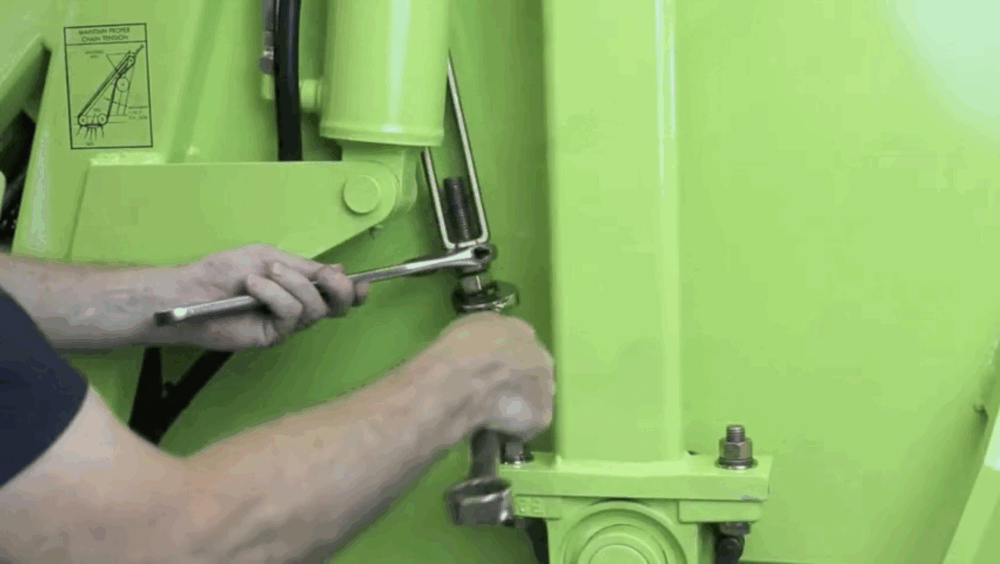
These are recurring tasks designed to keep your machine in top shape:
✔ Regular greasing of bearings and pivot points, chain lubrication and belt inspection
✔ Checking screen tension and alignment
✔ Inspecting tires and hydraulics
Cost: Mostly labor and supplies — inexpensive and quick to execute, but critical for longevity.
B. Wear Parts
These are components that gradually wear down through normal use:
✔ Pickup tines or screens
✔ Bearings, bushings, and seals
✔ Chains and belts
✔ Drive sprockets and idlers
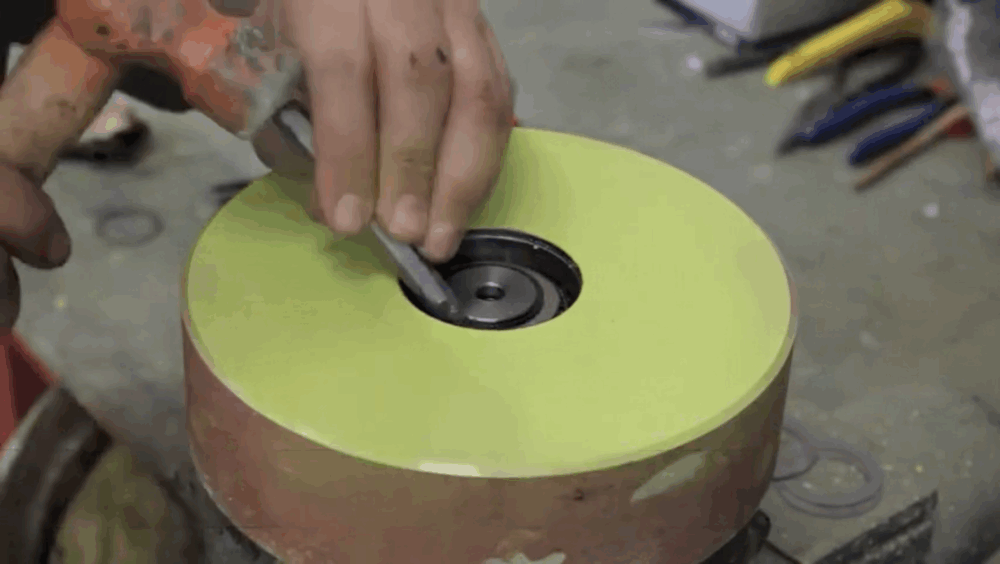
Cost: For the SURF RAKE, replacements for common wear items, like tines can begin piecemeal around year 2-3, depending on use and begin around $100 and goes up from there. Most other items should be foolproof for the first 5 or even 10 years of operation, except in cases of extremely heavy daily use.
Screens on sifting-style machines are known to require full replacement more frequently.
C. Repairs or Unexpected Damage
These costs typically arise from user error and are uncommon— like driving into structures.
Our SURF RAKE is actually designed to minimize these kinds of damage. For example, the moldboard deflector plate at the front of the machine helps it pass over large submerged objects without harming the conveyor system. Most sifting-style units, however, can bend or break the cutting edge when encountering unexpected submerged objects.
Cost: Depends on the type of damage. Most SURF RAKE repairs can be done with simple mechanical tools. Other beach cleaners’ replacement parts & processes vary.
2. The Factors That Affect Beach Cleaner Maintenance & Repair Costs & time
Every beach has its own rhythm and maintenance needs. These patterns have a big impact on annual maintenance budgets.
A. Operating Hours
Usage hours are the single biggest cost driver. For example:
✔ Seasonal operation (northern U.S.) — about 10 hours per day, 7 days a week, for 5 months → roughly 1,500 hours per year
✔ Year-round light use (southern climates) — around 3 hours per day, 7 days a week, all year → about 1,000 hours per year
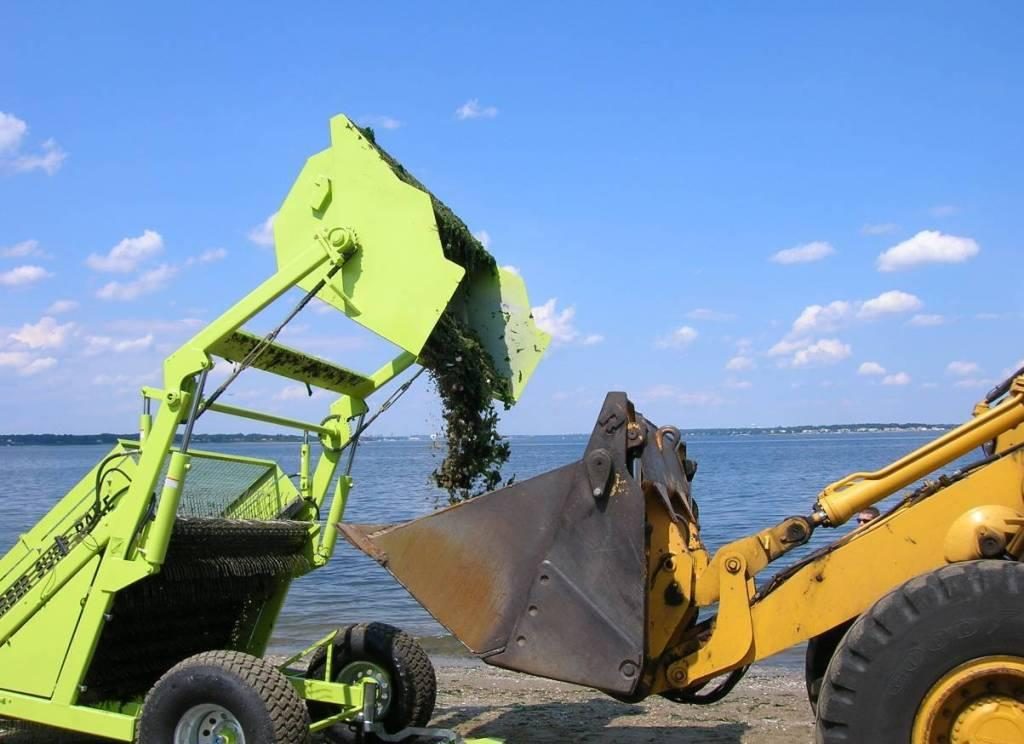
While the recommended preventative maintenance will be the same frequency/intervals with both machines (during periods of use), the repairs costs on the year-round machine with lighter use will actually be less than the heavy-use seasonal machine, even though it runs more frequently throughout the year.
The more hours the machine runs, the more frequently screens, bearings, and drive components will need adjustment or eventual replacement.
B. Beach Conditions
Sand texture and debris load vary dramatically from beach to beach and also influence the frequency and cost of the maintenance of wear parts:
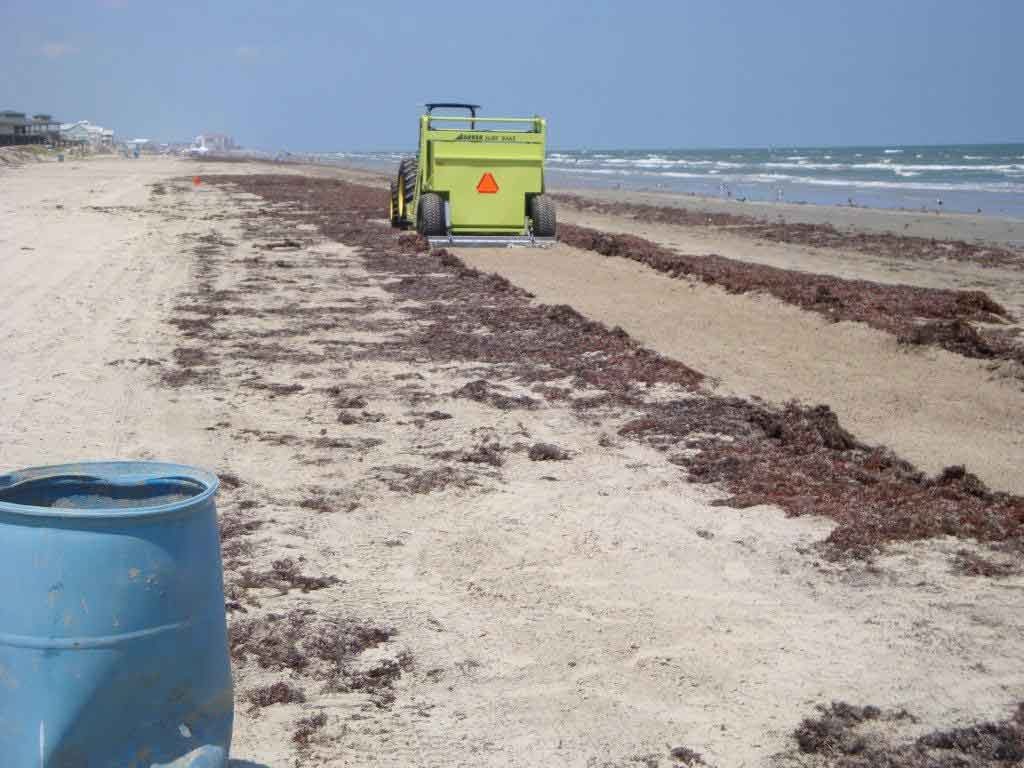
✔ Fine, clean sand is gentle on the machine and screens, so you’ll likely require fewer replaced parts over time than the average.
✔ Coarse sand, shells, or coral fragments increase wear on moving parts.
✔ Debris-heavy beaches (sargassum, seaweed, sticks, or litter) can accelerate wear on pickup systems and belts.
C. Operator Habits
Just like driving style affects a car’s lifespan, operator operation styles and maintenance care are one of the biggest determinants of overall maintenance & repair costs.
If the operator operates the machine as deep and fast as it can go all the time, regardless of beach conditions, it will wear much faster. Meanwhile, an operator who adjusts cleaning styles to match the conditions of the beach and only digs deeply when needed will reduce costs over time.

D. Consistency of Routine Maintenance
Similarly, routine greasing, correct chain tensions, and timely part inspections can easily double the life of key wear components.

For example, we recommend operators grease the SURF RAKE’s bearings every two weeks of regular use and check the chain tensions to make sure they have not loosened and introduced extra vibration & friction into the unit.
Simply doing these two things dramatically extends the life of the wear parts of the machine
E. Storage and Environmental Exposure
Salt air, humidity, and sun exposure can cause corrosion and deterioration over time. Proper off-season storage — ideally indoors and out of the elements — helps prevent these issues and lowers long-term costs.
While some of the factors that affect beach cleaner maintenance and repair costs over time are out of your control–like the operating hours and beach conditions– being consistent with preventative maintenance care and operating your beach cleaner within recommended guidelines can dramatically reduce maintenance costs over time.
Let’s see how these broad principles can be applied to a specific machine:
3. Reducing maintenance costs & extending machine life:
EXAMPLE: THE SURF RAKE 600HD maintenance recommendations
Now let’s look at some specific maintenance recommendations and repair frequencies to drive home the principles by reviewing the maintenance recommendations for Barber’s SURF RAKE 600HD.
Every 1-2 Weeks
Preventative Maintenance:
✔ Grease the bearings & moving parts (~5 minutes)
✔ Check/Tighten Conveyor & Dump Chains for proper tension (~1-15 min, depending on if tightening is required–typically only needed every couple months)
Every 2 months
✔ Inspect and tighten drive chain, if needed– 1 minute (typically only needs tightening once/season-~10 minutes)
ONce/Season
At the close of the operating season (or once annually for year-round operations):
✔ Inspect conveyor assembly and bearings for looseness or worn parts.
✔ Replace any worn tines, bearings, chains, or seals, as needed.
4. Another less-thought-of way to save money on beach cleaner maintenance
One of the biggest ways to reduce long-term maintenance costs that is often overlooked prior to purchase is to choose a beach cleaner that is designed to require less maintenance over time.
A simple, robust mechanical beach cleaner — such as the SURF RAKE typically costs less to maintain than units loaded with electronics or vibration systems.
Here’s why:
A. Fewer Moving or complex parts = Fewer Failures
Fully-mechanical systems avoid the complexity of sensors, processors, and electronic controls that can corrode or short-circuit in salty environments.
B. Easy, On-Site Serviceability
Most mechanical systems can be maintained with standard tools, reducing downtime and dependency on specialized technicians.
C. Durability and Proven Parts
Galvanized steel, hardened bearings, and robust conveyor designs translate into longer component life — even under heavy use.
By contrast, beach cleaners that rely on vibration systems, screens, or electronic controls often require more frequent part replacements and diagnostic service, increasing both downtime and cost.
We explore how to identify a beach cleaner that will likely incur fewer maintenance costs over time in more detail in our article: Design Principles for Long-Lasting Beach Cleaning Machines.
5. How Long Do Beach Cleaners Last?
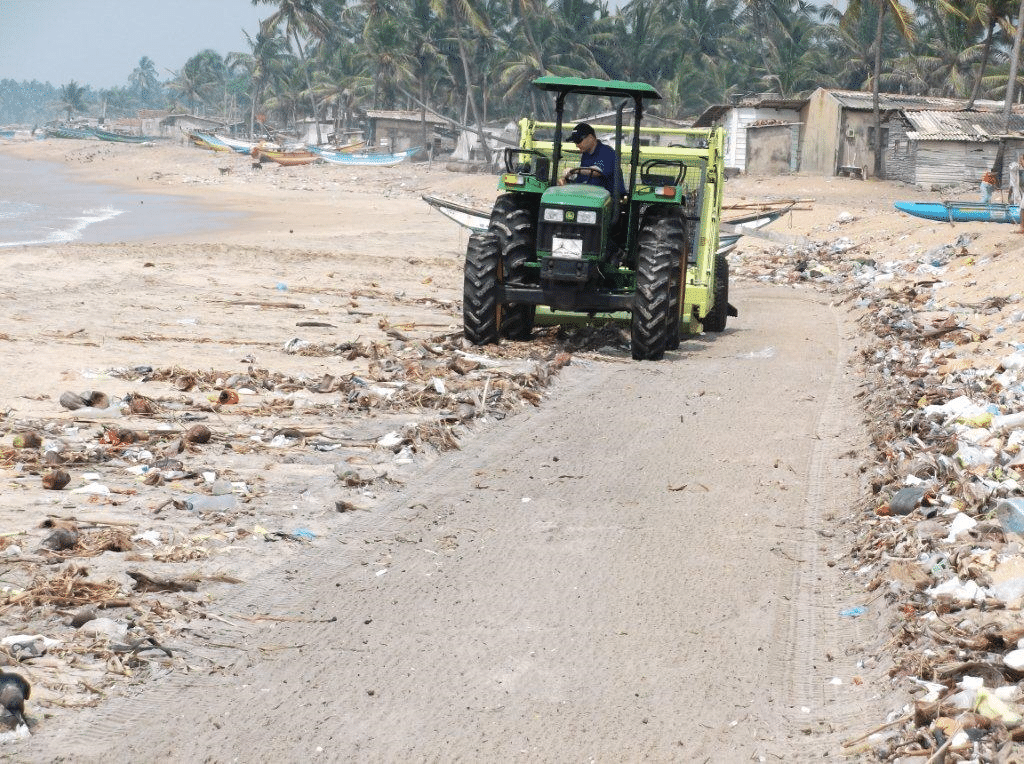
Ultimately, with proper care, a well-built beach cleaner, like the SURF RAKE, can operate consistently for 15 years or more.
Many municipalities still use machines purchased decades ago that continue to perform reliably with basic annual servicing.
6. Predicting Beach Cleaner Maintenance Costs for Your Beach.for your beach.
While all these principles and examples can be helpful, you likely want to know how much you’ll need to budget for maintenance & repair costs for a beach cleaner, if you purchased & used one on your beach.
Since this prediction requires taking many variables into account, like those we’ve mentioned (use frequency, your beach & debris type, specific machine) we can’t give you exact numbers in a blog post.
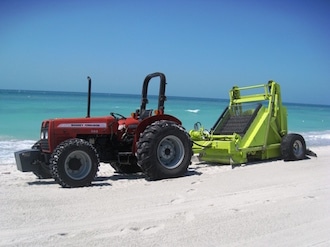
However, our current sales team has helped thousands of customers and have a combined experience of over 100 years working with beach cleaning customers like you.
So if you’d like to discuss potential maintenance and repair costs for your beach, we recommend you contact our team by using our contact form or calling our headquarters directly (+1 203-729-9000), and we can provide you with a more specific estimate.
Next Steps
✔ Contact our Team for a Maintenance Cost Estimate: contact our team
✔ Learn more about Barber’s maintenance and repair practices : SURF RAKE Customer Service Portal
Frequently Asked Questions
Traditionally, yes, salt and sand wear machine components quicker than other environments. However, established manufacturers, like Barber, build the machines specifically for these environments. Hot-dip galvanizing, stainless steel components, and the materials used in each of the components have been tested over decades for longevity, so maintenance costs are actually extremely low, despite the traditionally challenging environment.
The most common tasks — belt and chain inspection, greasing, and fluid checks are easy to perform by anyone. More infrequent potential repairs, like adjusting bearings, replacing tubes or hoses, tine replacement or any unexpected repairs— can be handled by a competent in-house mechanic using Barber’s service manuals. Typically, the machines only come back to the factory for repairs after many, many full seasons of hard use, when some customers prefer full refurbishment of the moving components across the board, which costs less than a new machine but would be more labor intensive for small maintenance teams.
Barber manufactures and stocks parts directly, keeping availability high and costs predictable. Customers can order from us directly or from local dealers, depending on their location in the world.
Mostly, the machine just needs to be greased weekly during regular use, and the chain tensions checked and adjusted around once/month to prevent pre-mature wear. This alone can be all of the maintenance an operator performs for the first several years. Over time, the tines will wear uniformly and require replacement for full cleaning depth or they can keep operating beyond that, depending on the cleaning needs of the beach.
Barber offers a 1-year end-to-end warranty on our SURF RAKE machines. This includes all components of the machine.
The repair bill is usually the smallest part. Downtime during peak season can mean an unclean beach, missed contract obligations, and reputational damage that outweighs the part. We limit this risk with a durable mechanical design, parts we stock and ship directly, and repairs simple enough for an in-house mechanic, so a machine returns to service quickly instead of sitting idle.
Base the forecast on projected operating hours, since hours drive wear far more than calendar age. Estimate annual wear-part and service costs at your expected run time, then add a modest contingency for abrasive conditions like coarse sand or heavy debris. We can share typical parts costs at given hour levels so you can price contracts without eroding margin on maintenance.
A lower purchase price often reflects lighter materials that wear faster and cost more to replace in salt and sand. Those recurring costs can exceed the upfront savings within a few seasons. We build simpler mechanical machines from corrosion-resistant materials specifically so ongoing maintenance stays low and predictable over the equipment’s life.