Marketing your beach’s cleanliness program turns the cleanup work you already do into a reason visitors choose your shoreline over the next one. A documented program — schedule, equipment, and results — gives you something concrete to promote to guests, residents, and councils. This guide covers when public marketing is worth it and how to communicate a clean-beach commitment that holds up. Start below.
Why Your Cleanup Efforts Could Be a Powerful Part of Your Marketing Strategy
Cleaning your beach isn’t just about environmental responsibility—it’s an opportunity to enhance your reputation, attract eco-conscious visitors, and position your beach as a premium destination.
By actively promoting your microplastic cleanup efforts, you can:
✔ Build trust and credibility with tourists and the local community.
✔ Differentiate your beach from competitors with a sustainability edge.
✔ Strengthen partnerships with local businesses, environmental groups, and tourism boards.
✔ Increase positive word-of-mouth and online reviews.

Step 1: Craft Your Beach’s Environmental Story
People don’t just want facts—they want stories that resonate.
Instead of simply stating that you clean up microplastics, frame your efforts in a way that connects with visitors:
- “We’re on a mission to keep our beach pristine for future generations.”
- “By tackling microplastic pollution, we’re protecting the beauty and safety of our coastline.”
- “When you visit our beach, you’re stepping onto one of the cleanest, best-maintained shorelines in the region.”
What Story Do You Want to Tell?

Do you want to highlight your commitment to:
🌱 Eco-tourism & sustainability?
🌊 Preserving marine life & protecting ecosystems?
🏖 Providing the cleanest, most enjoyable beach experience?
Choose a message that aligns with your beach’s brand identity and audience values.
Step 2: Use Social Media to Showcase Your Efforts
Social proof is powerful. People trust what they see online, so make sure they’re seeing the best version of your beach.
What to Post On Social Media
📸 Before-and-after photos – Show visible improvements over time.
🎥 Short video clips – Document cleanup efforts in action.
🌍 Eco-facts & statistics – Educate followers on the importance of microplastic removal.
🙌 Volunteer spotlights – Feature local businesses, organizations, or tourists who help out.
🏆 Recognition posts – Celebrate milestones (e.g., “500 lbs of microplastics removed this season!”).
Example Instagram Caption:
🚨 Did you know microplastics are one of the biggest threats to beach ecosystems? We’re tackling this issue head-on with regular cleanups and sustainable practices. Join us in keeping [Beach Name] one of the cleanest, most beautiful shorelines in [Location]! 🌊♻️ #CleanBeaches #EcoTourism
Step 3: Feature Your Efforts On Your Website
Your website is the first stop for many potential visitors—make sure they know your beach is a clean, eco-conscious destination.
Key Website Updates to Make:
✔ Add a dedicated “Sustainability” or “Beach Cleanliness” page explaining your efforts.
✔ Highlight partnerships with environmental organizations.
✔ Post blog updates about recent cleanups and environmental wins.
✔ Include an FAQ addressing visitor concerns about microplastic pollution.
✔ Add a seal or badge (“Certified Clean Beach” or “Eco-Friendly Beach Initiative”).
Step 4: Get Media Coverage & Press Attention
Local and travel news outlets love covering positive environmental efforts. Leverage PR to spread the word about your beach’s commitment to cleanliness.
How to Get Featured in the Media
📢 Send a Press Release – Announce new sustainability initiatives or major cleanup events.
📩 Reach Out to Travel Bloggers & Influencers – Offer them a tour to showcase your clean beach.
📺 Connect with Local News Stations – Invite them to cover your cleanup events.
🏆 Apply for Environmental Awards & Certifications – Boost credibility and visibility.
Headline Example for a Press Release:
🏖 [Beach Name] Launches Eco-Clean Beach Initiative to Combat Microplastic Pollution 🌊
Step 5: Engage Visitors & Encourage Advocacy
Your visitors are your best marketers. Give them easy ways to participate and share your message.

Ideas for Visitor Engagement
✔ Create a Beach Cleanup Challenge – Offer discounts or free perks for those who participate.
✔ Encourage Visitors to Share Photos – Feature the best ones on your website and social media.
✔ Develop a Hashtag Campaign – e.g., #CleanBeach[Location] or #Keep[BeachName]Pristine.
✔ Partner with Local Businesses – Restaurants, hotels, and tour companies can promote your efforts to their customers.
Step 6. Track and Celebrate Your Impact
Regularly sharing real results builds trust and momentum for your cleanup efforts.
Metrics to Track and Promote
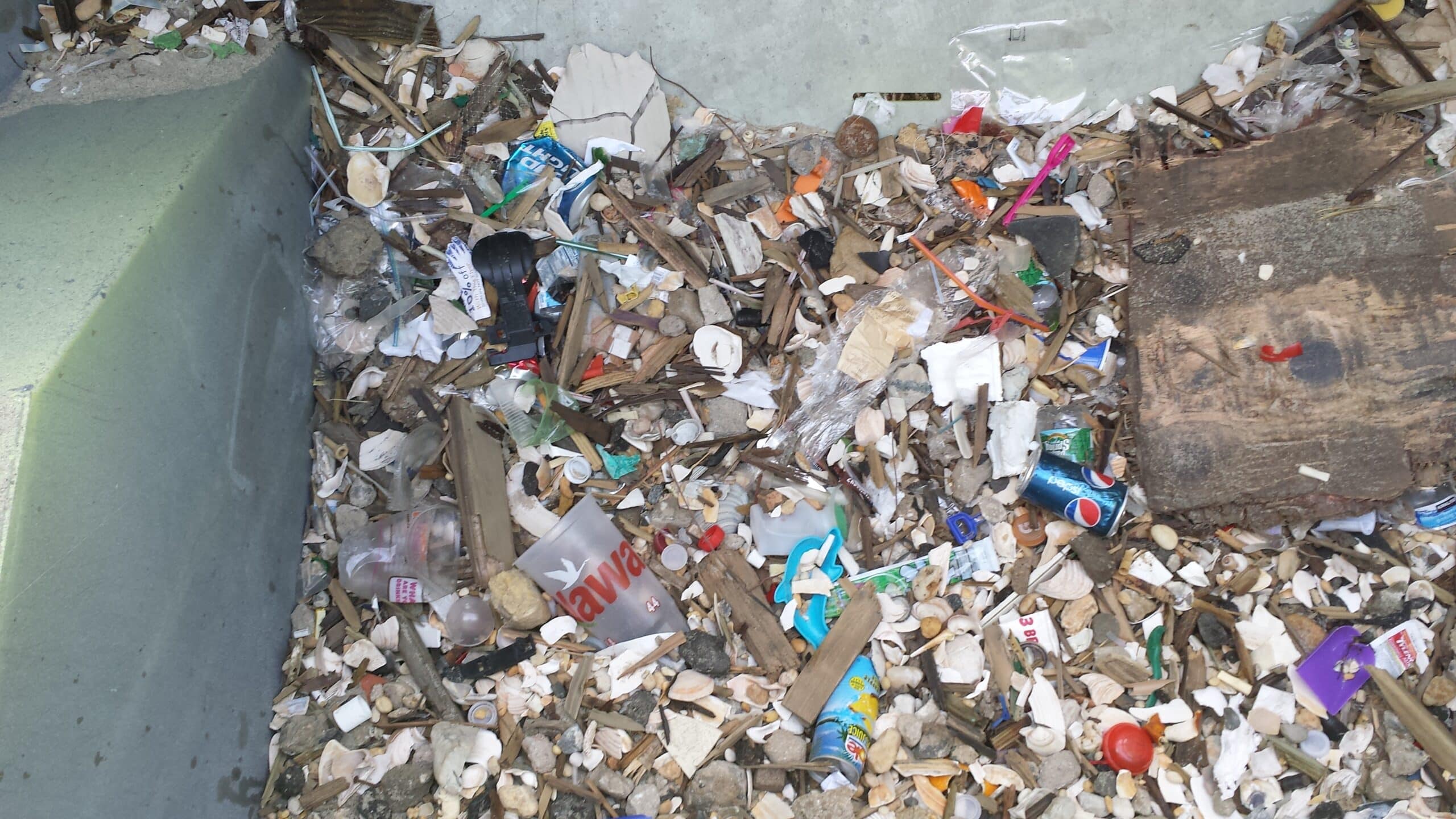
📊 Pounds of microplastics removed.
🏅 Number of volunteer hours contributed.
🌎 Environmental impact (e.g., “We’ve removed the equivalent of 50,000 plastic bottles this year!”).
At the end of each season, publish a Beach Cleanliness Report on your website and social media—showcasing your achievements keeps your audience engaged and invested.
The Takeaway: Clean Beaches Are Marketable Beaches
A pristine beach isn’t just a beautiful beach—it’s a profitable one.
By actively promoting your cleanup efforts, you:
✔ Attract more visitors who value sustainability.
✔ Gain positive PR and media exposure.
✔ Build a stronger community around your beach.
✔ Differentiate yourself from less environmentally proactive competitors.
Sustainability sells. Make sure your audience knows your beach is one of the cleanest, most well-maintained destinations out there.
Next Steps: Start Your Beach Cleaning Program Today!
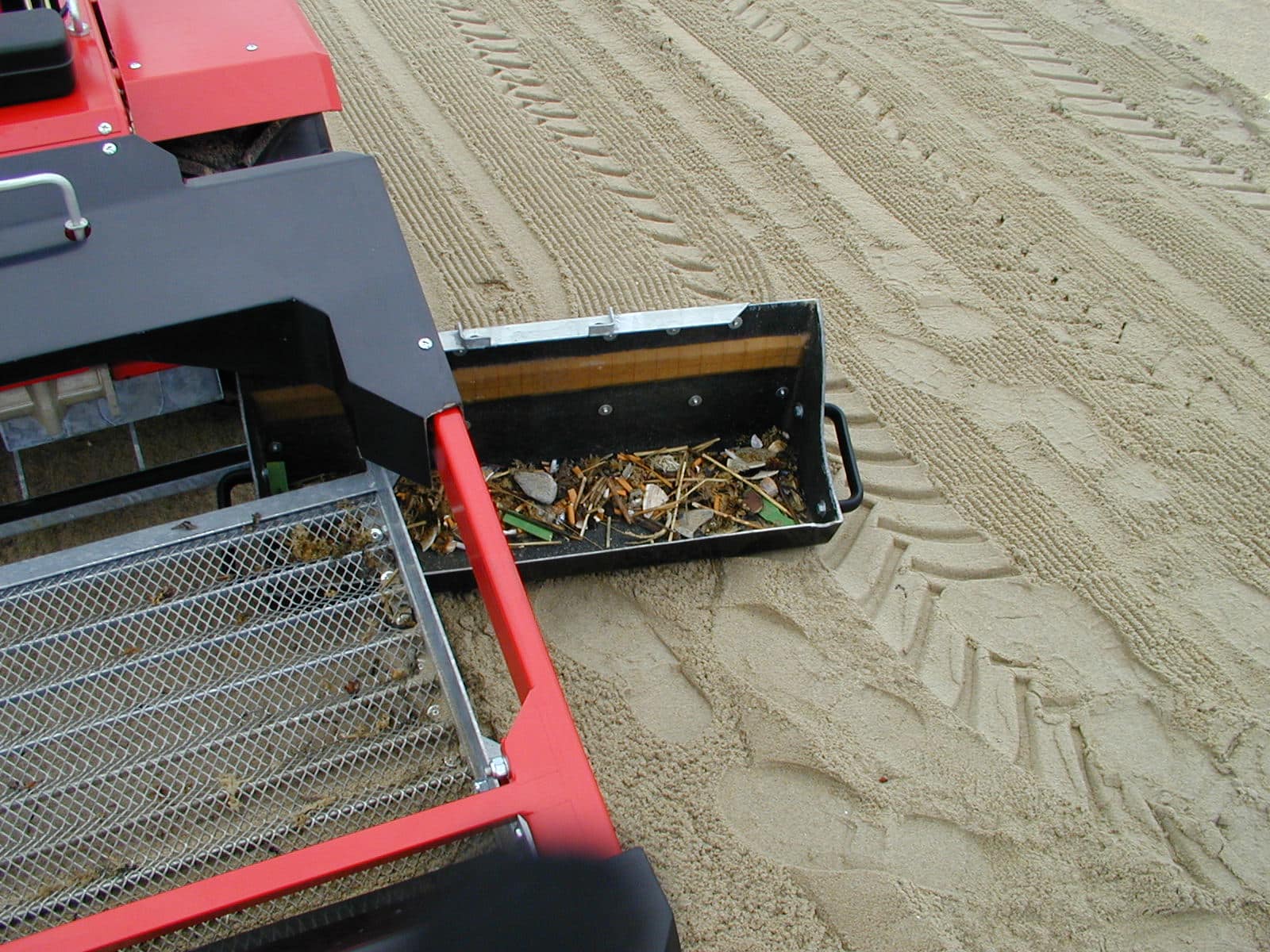
Now that you understand the value beach cleaning can have on your bottom line and are equipped with strategies to leverage it, learn how you can start your own beach cleaning program to combat microplastics on your beach.
Frequently Asked Questions
The six steps are: (1) craft an environmental story that resonates with your audience, (2) document and share efforts on social media, (3) add a sustainability or cleanliness page to your website, (4) pursue media coverage through PR outreach, (5) engage visitors and turn them into advocates, and (6) track and publicly report measurable impact metrics.
Yes. Visitors increasingly choose destinations based on sustainability values. A beach that actively promotes its cleanliness attracts eco-conscious travelers, generates positive reviews, reduces complaints, and builds guest loyalty — each of which translates to measurable revenue impact over time.
Back every claim with documentation. Audiences and reviewers now discount vague sustainability language, so we recommend publishing the concrete details — your cleaning schedule, the equipment you run, and measured results like debris removed per season. Third-party certifications and dated before-and-after evidence turn a marketing message into a verifiable record, which is what actually builds trust with skeptical visitors and local councils.
Yes, and it is measurable. Beach condition is often the first thing guests photograph and mention, so it surfaces directly in review text and star ratings. Cornell research across 31,000 hotels found that a single one-point increase in guest rating moved RevPAR by about 1.4 percent. Marketing a documented cleanliness program helps convert that guest experience into the reviews that drive bookings.
Promoting the beach before the cleaning program is consistent. When you advertise a pristine shoreline and a guest arrives to debris one morning, the claim backfires harder than saying nothing. We recommend proving the program internally first — a reliable schedule and documented results — then marketing it. Marketing amplifies a working program; it cannot cover for an inconsistent one.
Start with the two highest-leverage, lowest-cost moves. We suggest capturing dated before-and-after photos each week and adding one dedicated cleanliness page to your website that states your schedule, equipment, and results. Those two assets feed reviews, social posts, and press outreach later. You don’t need a full campaign to begin — you need consistent, documented proof that a clean beach exists.