- +1 203 729 9000
- hbarber@hbarber.com
- Mon - Fri: 9:00 - 18:00 EST

Home / Beach Cleaning Machines / SURF RAKE / Applications / Hurricane Beach Cleanup Machine
The SURF RAKE doubles as a hurricane beach cleanup machine, clearing the wood, debris, and buried wreckage a storm drives onto the sand. Built for heavy, mixed loads, one operator tows it behind a tractor to rake large areas far faster than crews working by hand. When restoration can’t wait, here’s how our machines speed your beach’s recovery.
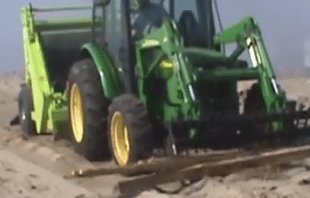
The goal of restoring the sand to the beach should not just be to return it there, but also to ensure that this sand is free of contaminants. Especially after being washed up on shore where flooding may have uprooted significant amounts of garbage, trash and debris such as shattered glass, wood, and other materials from the storm’s destruction. The sand that is returned to the beach must be cleaned.
It may be prudent to consider the time of year. If the storm comes during late hurricane season, like Sandy, and the beaches will not be used during the winter, this may give you time to properly sanitize the sand so you are not dealing with resurfacing debris in the summer. Regardless of whether you begin restoring the sand immediately or later, you can follow a similar process.
To start, we recommend using a tractor loader or similar heavy-duty vehicle to first remove the large debris from the beach. Then use the tractors to transport and lay the sand back on the beach, as shown in the photo bellow, which depicts sand being replaced on a Maryland beach after Hurricane Sandy.
In order to ensure that the newly-placed beach sand is free of contaminants, you want to remove the debris from the sand while it is being replaced, not after all the sand has been put back on the beach. Spread the sand back on the beach and clean it in layers. It may be helpful to use a tractor loader with a grapple or rock bucket to remove very large debris.
After each layer is returned, and the larger debris is removed, then use your SURF RAKE to remove the balance of the debris from the sand. Ideally, each layer would be no more than 6” deep to minimize the promotion of future erosion. As noted above, the SURF RAKE’s primary function would be debris removal during the debris removal phase; however, the SURF RAKE’s ability to level the beach from a rough grade to a final grade while simultaneously removing fine debris using its patented ‘Sanitizing’ cleaning technology make it a valuable tool in the ‘fine mechanical reshaping process.’
When planning to restore a beach after a hurricane, it is essential to realize that it is an ongoing process. Even after the sand is transported from its displaced position back to the beach and purified, the debris that washed out with the flooding will be washing up with the tide. Therefore, you will need to implement regular cleaning for a while after the storm to prevent storm garbage from building up on the beach.
An intense cleaning maintenance schedule for a period of 6 to 8 months should be put in place to remove this additional debris utilizing the Barber SURF RAKE. In some severe cases, a beach re-nourishment or restoration should be considered.
In summary, post-hurricane beach restoration should follow five approximate steps:
In order to ensure that the newly-placed beach sand is free of contaminants, you want to remove the debris from the sand while it is being replaced, not after all the sand has been put back on the beach. Spread the sand back on the beach and clean it in layers. It may be helpful to use a tractor loader with a grapple or rock bucket to remove very large debris.
After each layer is returned, and the larger debris is removed, then use your SURF RAKE to remove the balance of the debris from the sand. Ideally, each layer would be no more than 6” deep to minimize the promotion of future erosion. As noted above, the SURF RAKE’s primary function would be debris removal during the debris removal phase; however, the SURF RAKE’s ability to level the beach from a rough grade to a final grade while simultaneously removing fine debris using its patented ‘Sanitizing’ cleaning technology make it a valuable tool in the ‘fine mechanical reshaping process.’
When planning to restore a beach after a hurricane, it is essential to realize that it is an ongoing process. Even after the sand is transported from its displaced position back to the beach and purified, the debris that washed out with the flooding will be washing up with the tide. Therefore, you will need to implement regular cleaning for a while after the storm to prevent storm garbage from building up on the beach.
An intense cleaning maintenance schedule for a period of 6 to 8 months should be put in place to remove this additional debris utilizing the Barber SURF RAKE. In some severe cases, a beach re-nourishment or restoration should be considered.
In summary, post-hurricane beach restoration should follow five approximate steps:
While this covers the general technique of ensuring that newly replaced sand is clean and graded, we invite you to contact our team with any specific questions you may have.
In addition to being helpful in cleaning and restoring beaches after hurricanes, Barber’s products can also be used to remove debris on grass and pavement surfaces that may have accumulated due to flooding, winds, and property damage.
If you currently own a SURF RAKE, you can convert it from a beach cleaning machine to a litter collection machine to help the land clean-up process. Its tine raking system utilizes the same technology found on the LITTER PICKER and ROAD RAKE and is suitable for working on land and beaches. By adjusting your moldboard and the tractor draft settings properly, the SURF RAKE can become a valuable tool.
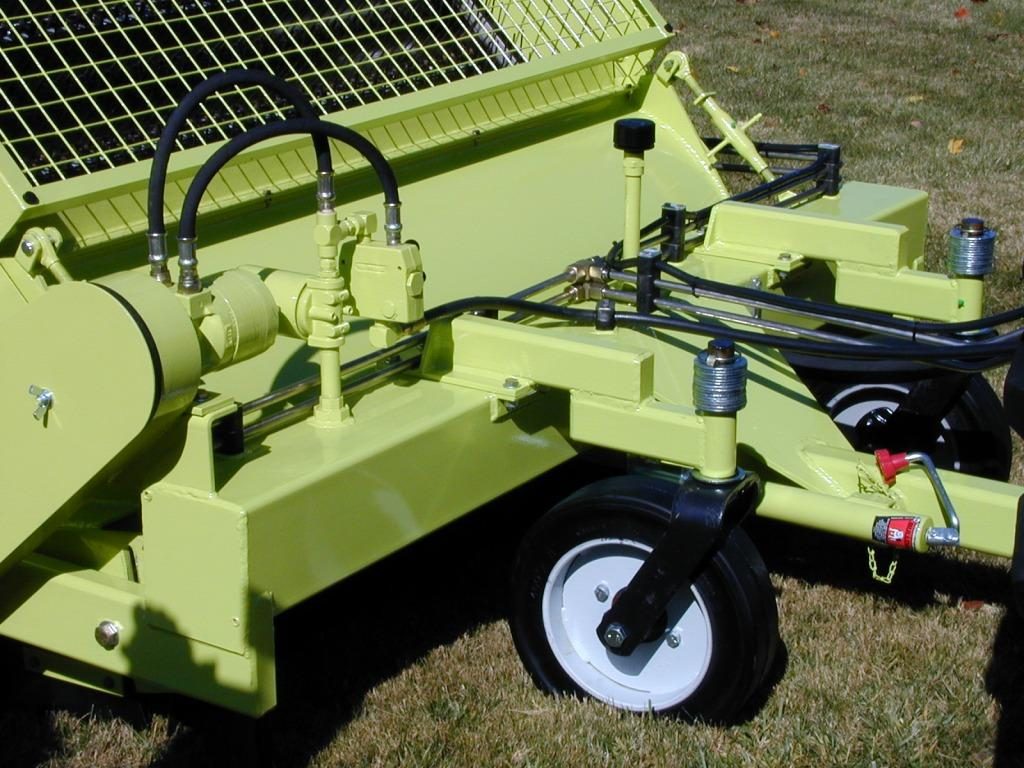
Restoration typically follows five phases: (1) safety assessment and hazard removal, (2) heavy structural debris removal, (3) beach profile grading, (4) mechanical cleaning with the SURF RAKE, and (5) ongoing monitoring and maintenance cleaning over the following months.
Yes. The SURF RAKE can be adapted for land-based debris removal. Following major storms it has been deployed on inland areas, parks, and access roads to remove wind-blown or flood debris from turf and unpaved surfaces.
The 600XL covering 15 acres per hour can address a significant beach area in a single day, but multi-machine deployments are common for large-scale disaster recovery. Machine count should be matched to beach size and debris density.
Yes. We have supported post-hurricane recovery operations and can advise emergency management teams and contractors on deployment strategy. Contact the factory team for consultation on large-scale cleanup projects.
Yes. The SURF RAKE’s tines comb debris out of heavy, damp sand and lift it onto the conveyor without waiting for the sand to dry.
Mechanical cleanup and environmental compliance usually coexist with planning. Many agencies schedule SURF RAKE passes around documented nesting surveys, marked nests, and dune buffers, and set tine depth to lift surface debris without disturbing protected zones. Confirm permit conditions with your coastal or wildlife authority before deploying. We can talk through deployment approaches that keep storm recovery moving while respecting nesting-season and dune restrictions.
It depends on how often your coastline faces storms and ongoing debris. Because post-storm cleanup runs an intensive schedule for six to eight months and washed-in debris keeps returning with the tide, beaches that flood or storm regularly often justify owning. For a rare event, a contractor deployment can bridge the gap. We can help weigh recurring debris load, beach size, and budget before you decide.