- +1 203 729 9000
- hbarber@hbarber.com
- Mon - Fri: 9:00 - 18:00 EST

Home / Beach Cleaning Machines / SURF RAKE / Applications / Red Tide
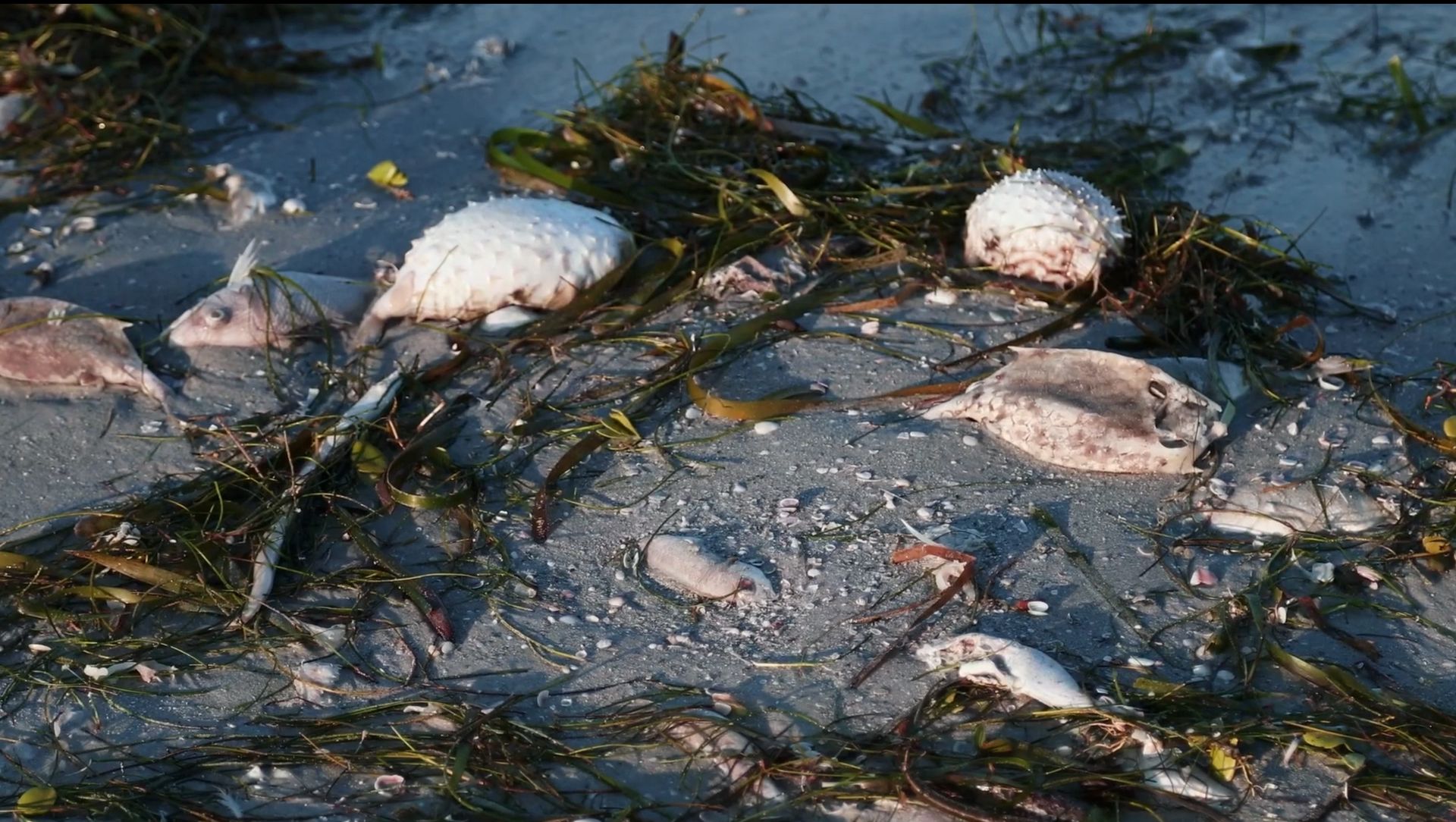
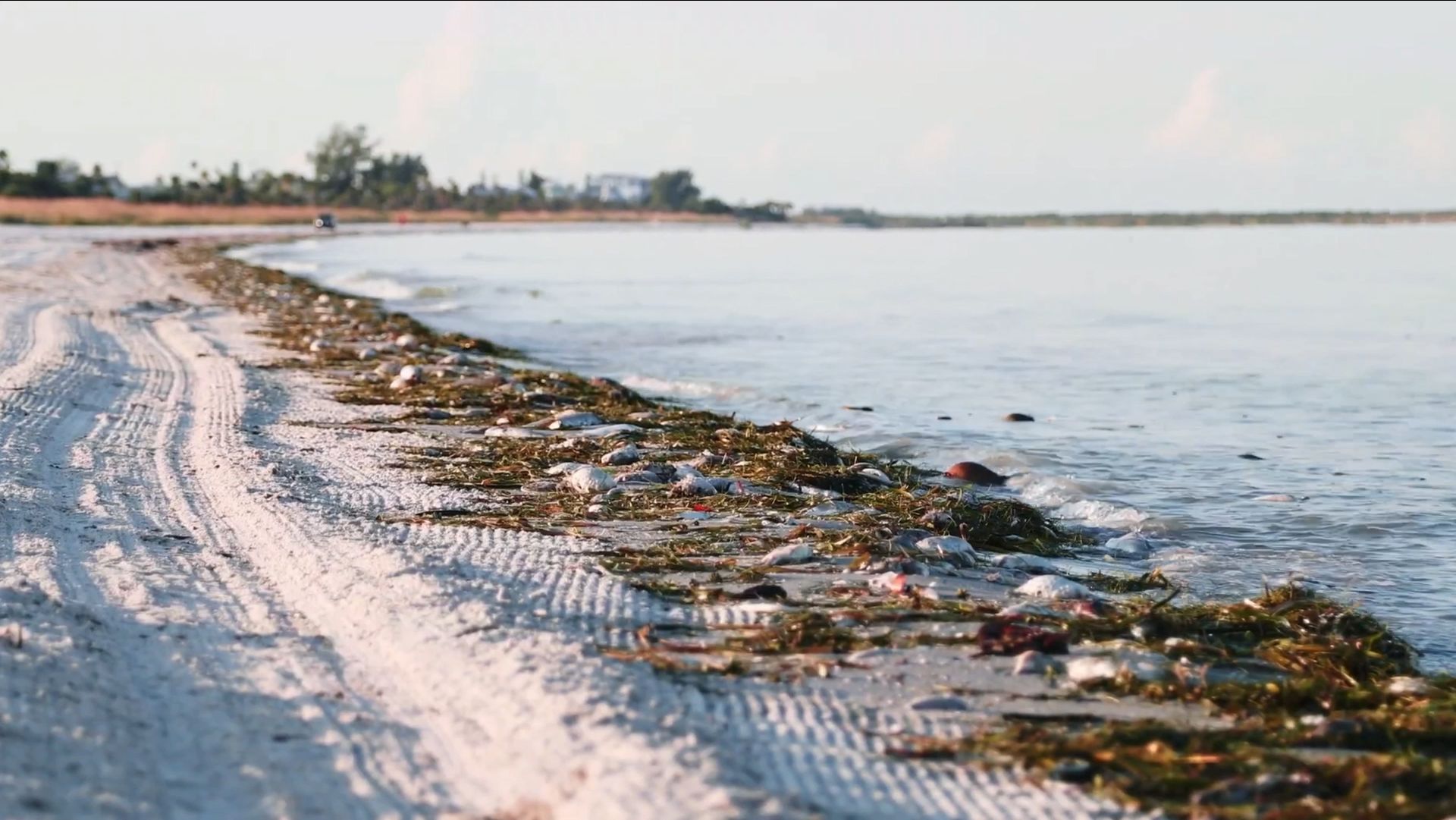
Red tides and changing water conditions result in tons of dead fish washing up onto beaches. The fish then cook in the sun, bloat, and become toxic — not to mention the incredible stench that accompanies them. Cleaning beaches after red tides or massive amounts of dead fish wash up on beaches can be an unpleasant and dangerous task.
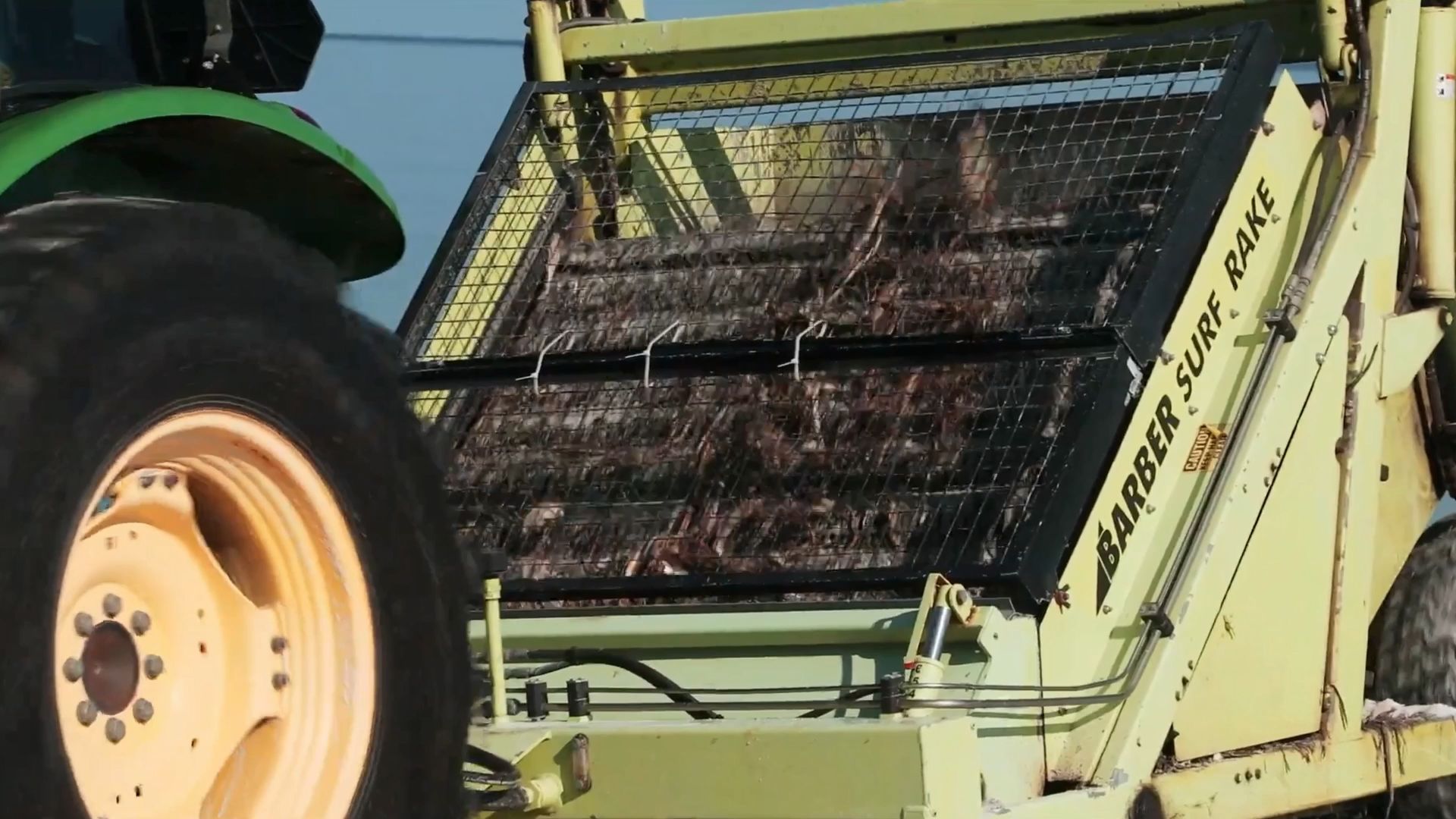
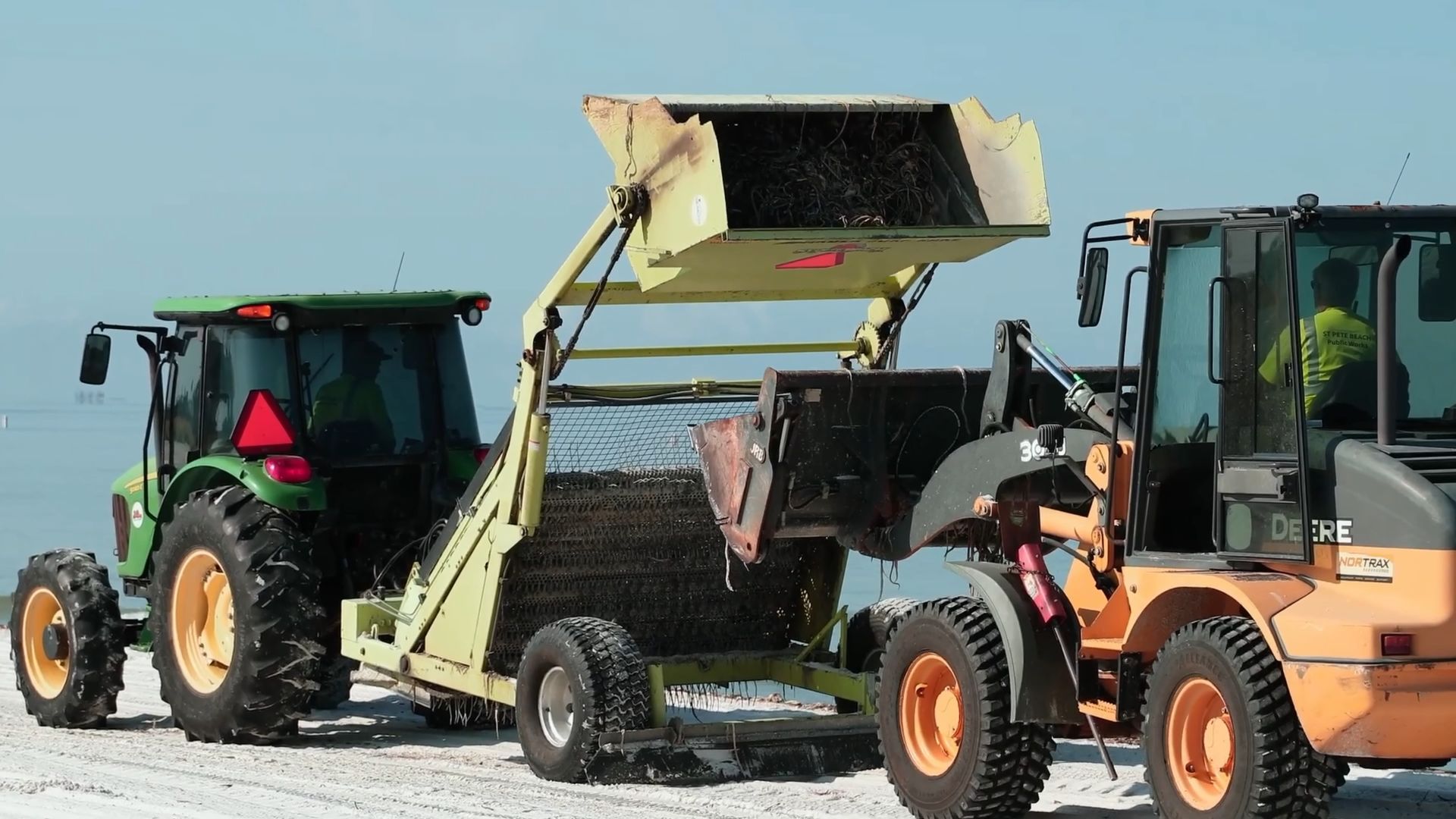
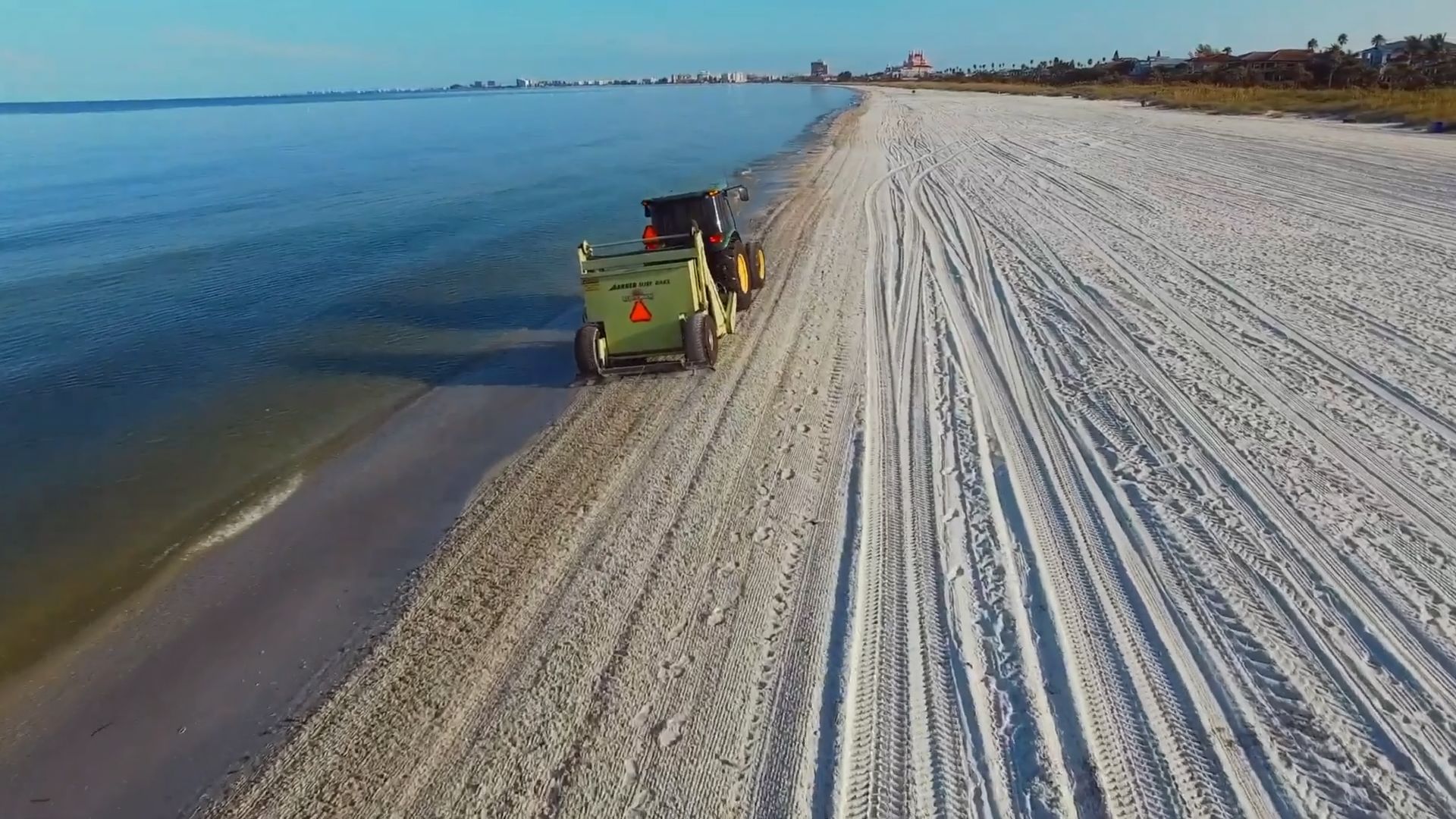
The SURF RAKE provides an excellent solution to the problem. It keeps the tractor operator removed from the hazardous materials while it lifts the fish off the beach and into the bucket for disposal. The machine can be operated so that the fish do not rupture and spread additional toxic waste into the sand. In this way, the Barber SURF RAKE is able to make your beach operational and safe in record time.
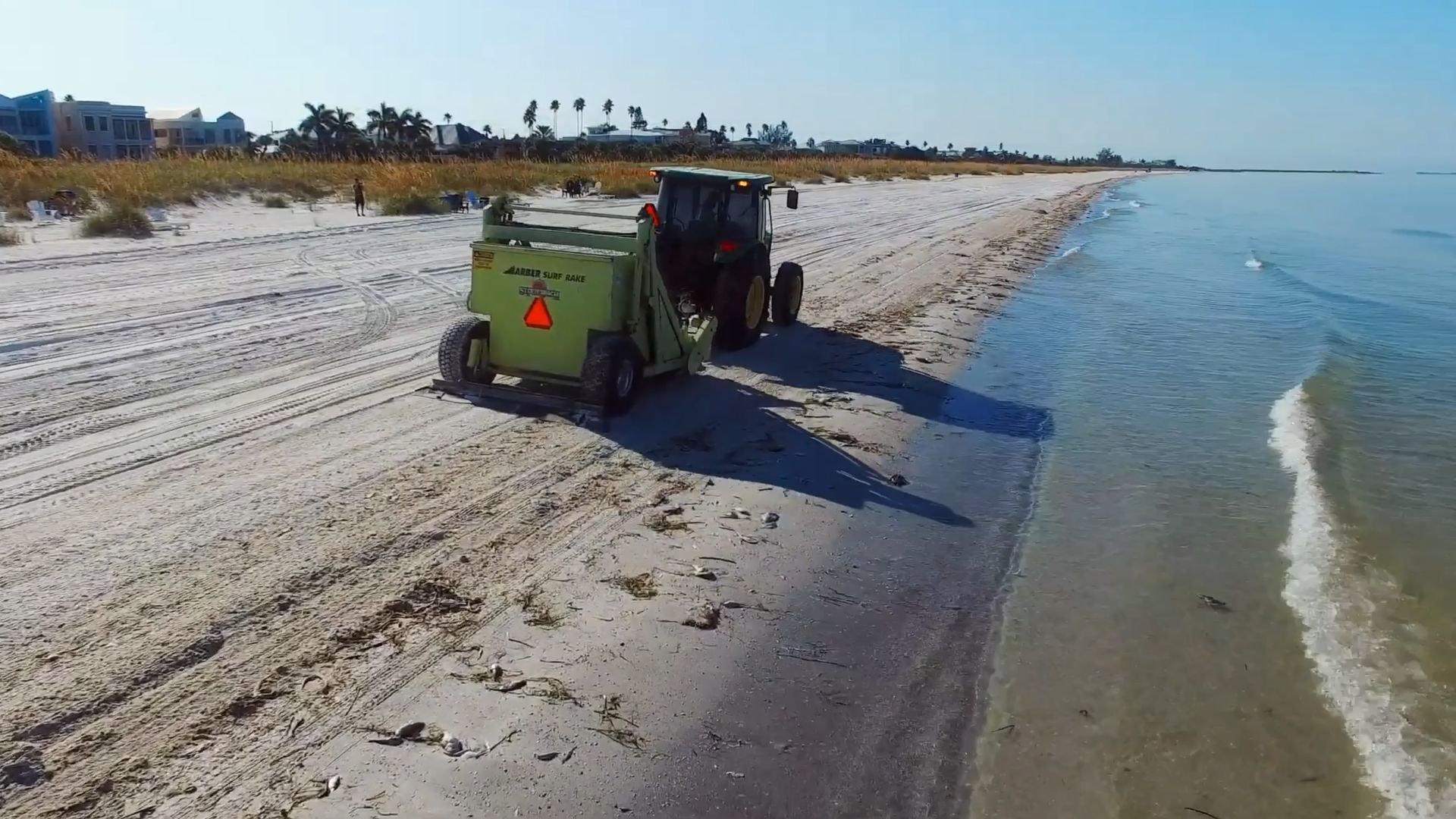
Red tide occurrences rapidly create health concerns and shut down beaches. In many instances, beach managers turn to the SURF RAKE to help them quickly remove the fish while keeping their operators safe and removed from the toxic fumes. In this example, the SURF RAKE was used to help the beach reopen — and stay open — during a red tide occurrence in Galveston, Texas.
Removes dead fish daily as it comes in, keeping the beach safe and fume-free during blooms.
Keep cleanup crews clear of the toxic fumes and exploding fish. One operator stays in the closed cab of the tractor while the machine does the dirty work.
Keep beaches open, safe, and enjoyable regardless of the red tide event, with fast, regular cleanings.
Tractor-towed and hydraulic-powered — requires minimal training and upkeep.
| Method | Speed | Safety | Effective on Dead Fish | Labor Required |
|---|---|---|---|---|
| Manual crew raking | Slow | Low — crews are exposed to toxic fumes and harmful bacteria | Somewhat — best for low volumes, if at all | High |
| Screen Sifting Beach Cleaner | Moderate | Moderate — operator can stay safely removed, but the sifting mechanism separates fish, and pieces fall back to the beach | Medium — can remove the fish, but frequently breaks them apart and creates additional safety concerns and smells | Low |
| SURF RAKE (tine-raking) | Fast | High — keeps fish intact and scoops them up without degradation and spreading | Strong — proven cleanup method | Low |
Below are common questions beach managers ask when facing a red tide event and evaluating equipment to clear dead fish:
Fast, and without putting people in the middle of it. Rotting fish release toxins and airborne irritants, and bloated fish rupture when handled. The practical approach is a machine that lifts the fish intact off the sand and into a hopper while the operator stays sealed in a closed tractor cab, then dumps the load straight into a truck for disposal.
It’s the part beach managers most often regret. Red tide toxins aerosolize in the surf zone and cause respiratory distress; decomposing fish carry bacteria; bloated fish burst when moved. A hand crew is exposed for the entire shift. Keeping one operator in a closed, air-conditioned cab and letting the machine do the picking removes nearly all of that exposure.
It depends on how quickly you can clear fish and how long the bloom keeps depositing them. Properties with a machine on site typically clear their frontage in a single pass and can hold the beach open through the event by running a daily cleaning. The bottleneck is almost always removal capacity, not the bloom itself.
It depends on your coast. On Gulf and Florida beaches, red tide events are frequent enough that many municipalities and resorts keep a SURF RAKE on hand year-round — and the same machine handles seaweed, litter, and stone the rest of the year, so the fish emergency is one use case, not the whole business case. Where events are genuinely rare, renting or a mutual-aid arrangement with neighboring towns can make more sense.
Often, yes — municipalities regularly cover multiple beaches with a single unit on a rotating schedule. Pairing the machine with a dump truck, so it keeps cleaning while the truck hauls fish to the disposal site, does more to determine throughput than the machine itself.
That’s the failure mode of sifting machines — the mechanism that shovels sand onto the screen for sifting often shreds bloated fish and drops the pieces back onto the beach, worsening both the smell and the contamination. Tine raking lifts the fish off the top of the sand intact and carries them straight to the hopper.
The hopper dumps hydraulically into a dump truck or roll-off; from there, most jurisdictions direct the material to a landfill or a designated burial or composting site.
A hose or a pressure washer. The SURF RAKE was designed to be washed down quickly — there are no complicated or hard-to-reach components. Routine maintenance beyond that is minimal.
Varies by model — 30 to 110 PTO hp, four-wheel drive, with a 540 RPM rear PTO and a 3-point hitch. For red tide work specifically, a closed, air-conditioned cab is strongly recommended so the operator stays out of the fumes.
Yes — and that’s the reason most coastal municipalities own one rather than renting per event. The machine that clears fish during a bloom is the same machine that clears seaweed, litter, and stone the rest of the year.
We never share your contact information with third parties.