
Sargassum Beach Cleaning Solutions
How to Remove Sargassum Quickly, Safely and Cost Effectively
Sargassum has become one of the most persistent challenges for coastal communities. When it piles onto beaches—often overnight and in large volumes—it disrupts tourism, overwhelms maintenance crews, produces strong odors, and threatens local ecosystems.
The good news: there is a proven mechanical approach that consistently works in both wet and dry conditions, and at the scale required by municipal beaches.
This guide breaks down what sargassum is, why it’s so difficult to manage, the main cleanup methods available, and why mechanical raking is the most reliable and operationally efficient solution for year-round sargassum conditions.
Why Sargassum Requires a Specialized Cleaning Method
Sargassum is uniquely difficult to manage because:
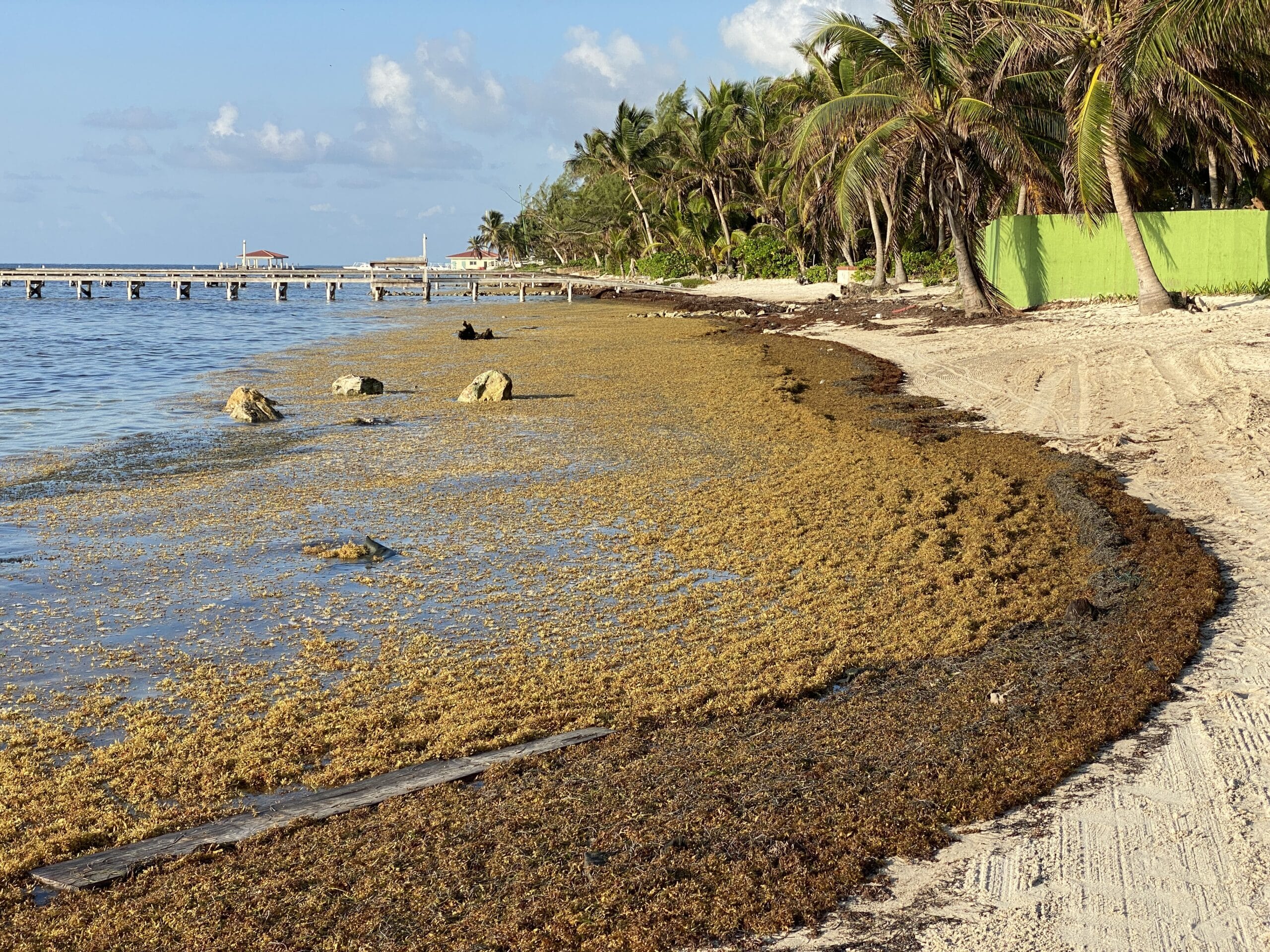
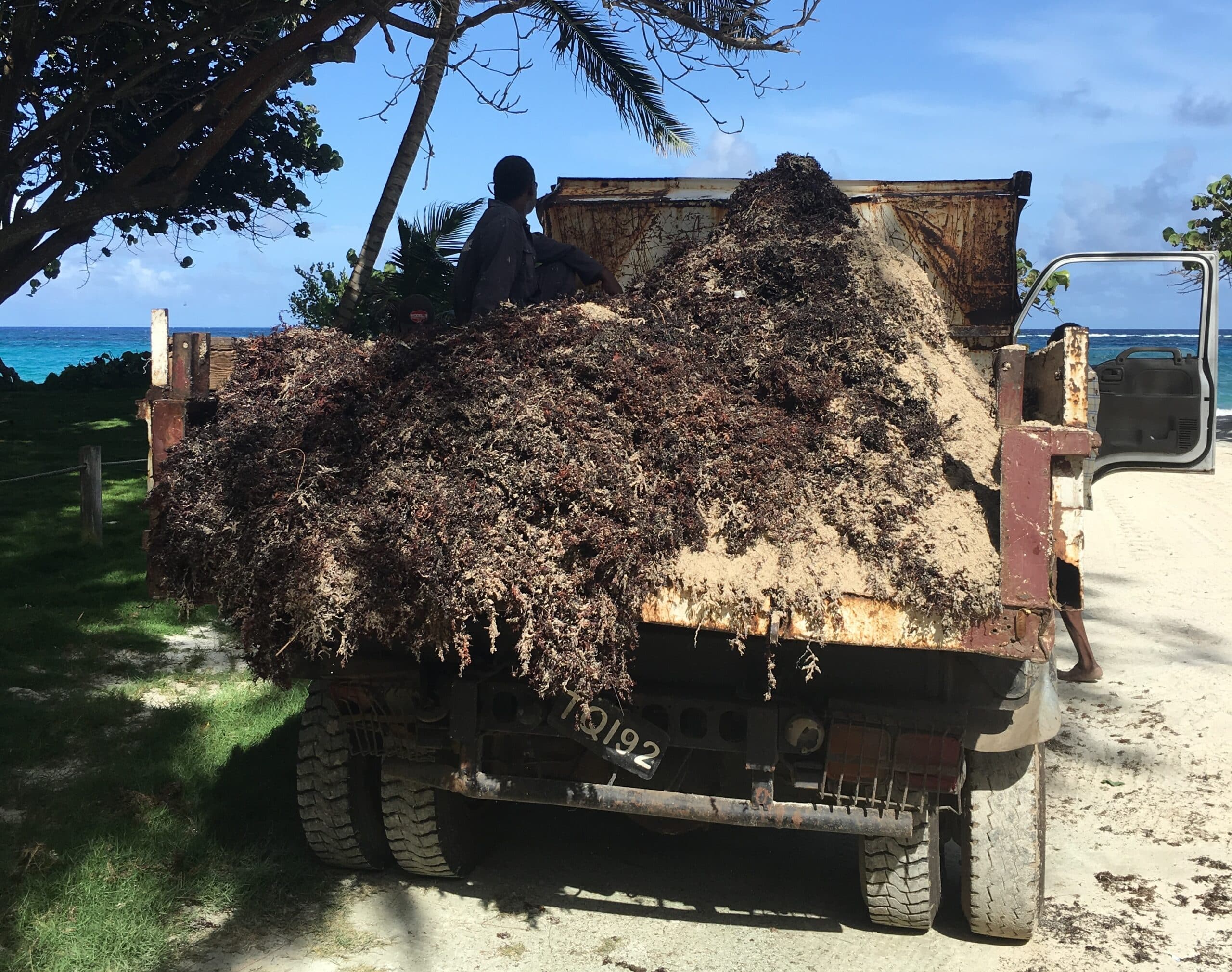
It arrives in heavy, waterlogged mats that are difficult to lift manually

As it decomposes, sargassum produces strong odors and attracts pests
Daily tidal deposits and seasonal surges can create continuous cleanup pressure & operational challenges
Beach sifting machines clog and become ineffective in wet conditions
What Makes Sargassum So Difficult to Clean?
Sargassum behaves differently from typical dry seaweed or lightweight beach debris:
It’s waterlogged and extremely heavy
It accumulates in thick mats that compact quickly
It often arrives mixed with wet sand, making it difficult to lift
Manual crews fatigue quickly, especially during peak season
Front loaders and push-piles disturb sand profiles and can damage beaches
Screening-style beach cleaners struggle to sift through wet material
These challenges mean beaches need a method that can gather, lift, and transport heavy, saturated organic material without slowing down or stalling.

Common Sargassum Cleanup Approaches (and Their Limitations)
1. Manual Cleanup Crews
Useful for spot-cleaning but too slow, inconsistent, and costly for heavy accumulations.
2. Front Loaders & Push-Piling
Effective at large-volume relocation but:
removes excessive sand
leaves behind smaller material
disrupts beach profiles
requires follow-up work
3. Screening/Sifting Machines
Designed for dry sand. On wet sand they:
clog
stall
drag
miss the majority of sargassum volume
4. Mechanical Rakes (Tine-Based Raking systems)
Collect sargassum at the surface level, lift it via tines and conveyor, and deposit it into a hopper.
This method handles the heaviest, wettest material without depending on sifting or screening.
This is the method used successfully around the world in high-volume sargassum zones.
Why Raking Machines are the Most Reliable Method for Heavy Sargassum
A tine-based raking system:
digs into the top layer of sand
lifts sargassum directly
shakes off excess sand
carries the material into a bucket or trailer
Key advantages on sargassum-heavy beaches:
Works in wet sand, where other machines stall
Handles high volumes without clogging
Leaves behind a smooth, groomed surface
Minimizes sand displacement
Can collect sargassum right at the water’s edge, where it often piles first
For beaches receiving daily or weekly landings, this is the only practical long-term approach.
Why the Barber Surf Rake is the Global Standard for Sargassum Cleanup
For more than 50 years, Barber’s tine-raking system has been the preferred solution for heavy, wet seaweed—including sargassum—across the Caribbean, South America, the Gulf Coast, and beyond.
Beach managers prefer the Surf Rake because:
It excels in wet, saturated conditions
The conveyor belt and tine system easily lift heavy material other machines leave behind.
Tines remove the Sargassum, not the sand
The raking action shakes off sand before material enters the hopper—preserving beach profiles.
High-volume hopper reduces back-and-forth trips
Operators can cover more ground before dumping.
Jam-Free Design
Unlike sifting units, the raking conveyor doesn’t jam or slow under heavy sargassum volume.
Proven Globally on all sand types
From soft Caribbean beaches to firm Gulf Coast terrain, it works consistently.
Low maintenance, long service life
Built to handle daily seasonal use.
Real-World Sargassum Cleanup Examples
Across more than 65 countries, the Surf Rake has been used to clear sargassum from:
busy resort beaches
municipal waterfronts
nature preserves
major tourist destinations
high-volume overnight landings
Operators routinely report:
faster cleanup times
significantly reduced manual labor needs
better guest experience
cleaner, safer beaches
the ability to maintain beaches daily during peak season
You can reference case studies, photos, and videos here as they become available.
Recommended Approach for Your Beach
If your beach is receiving seasonal or year-round sargassum:
Start with a mechanical raking system.
Pair it with a properly sized tractor (we outline requirements on our tractor guide).
Use the right moldboard adjustments for wet or compacted areas.
Implement a daily cleanup plan during peak months, especially during heavy landings.
Use manual crews only for final detail work.
This combination gives you the most efficient, sustainable way to keep beaches clean while minimizing sand removal.
Get a personalized Recommendation
Every beach is different—sand type, volume, slope, tides, and operational needs all affect the ideal setup.
Use our Surf Rake Recommendation Tool to get personalized guidance based on your beach type, tractor, and sargassum conditions.
Sargassum Cleanup FAQ
Sargassum typically arrives in cycles, but the trend over the past decade shows increasing frequency, larger volumes, and longer seasons for many regions. Even if a given year is lighter, most coastal communities report that sargassum management has shifted from an occasional task to a recurring operational responsibility. Planning for it as a long-term maintenance challenge—not an occasional emergency—improves beach readiness and reduces last-minute costs.
When handled correctly, sargassum cleanup can be done safely and in compliance with environmental guidelines. The key is using methods that lift material without trenching the beach or removing deep layers of sand. Many municipalities operate daily during nesting season by adjusting routes, cleaning during permitted hours, and avoiding upper beach zones where nests occur. Effective cleanup doesn’t require deep excavation; it focuses on removing surface material before it decomposes.
Manual cleanup works for small areas or early in the season, but heavy sargassum rapidly overwhelms crews. Waterlogged mats can weigh hundreds of pounds per yard, causing fatigue, inconsistent results, and high labor costsduring peak landings. As volumes scale, most beaches reach a point where adding more manual labor becomes less efficient and more expensive than a mechanical system that can maintain the beach every morning before visitors arrive.
Not all equipment interacts with the beach the same way. Methods like push-piling or front loaders can remove sand, but surface-level collection methods are designed specifically to lift organic material while minimizing sand displacement. When operated correctly, these machines leave behind a smooth surface and help preserve natural contours. Beaches that switch from heavy equipment to surface collection often see improved sand retention over the season.
Many beaches underestimate annual volume because sargassum arrives unevenly—sometimes overnight, sometimes after storms, sometimes in waves. Even moderate landings cause issues if they appear during peak tourism hours. The question isn’t just volume; it’s timing, consistency, and labor strain. If you struggle to keep the beach uniformly clean, have high labor hours, or get complaints during busy periods, a scalable mechanical solution can provide the consistency that manual crews alone can’t.