- +1 203 729 9000
- hbarber@hbarber.com
- Mon - Fri: 9:00 - 18:00 EST

Home / Beach Cleaning Machines / Surf Rake / Applications / Zebra Muscles
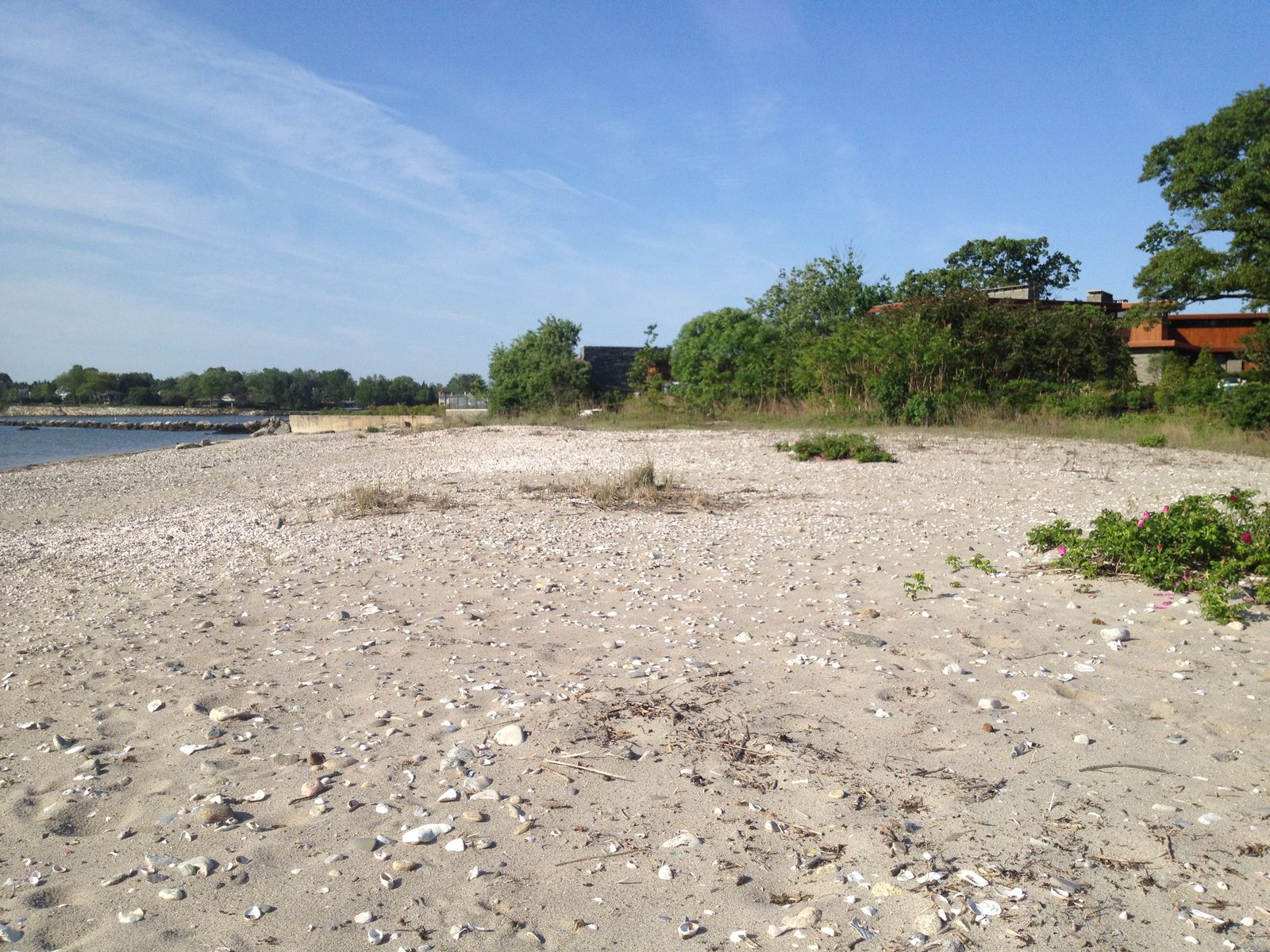
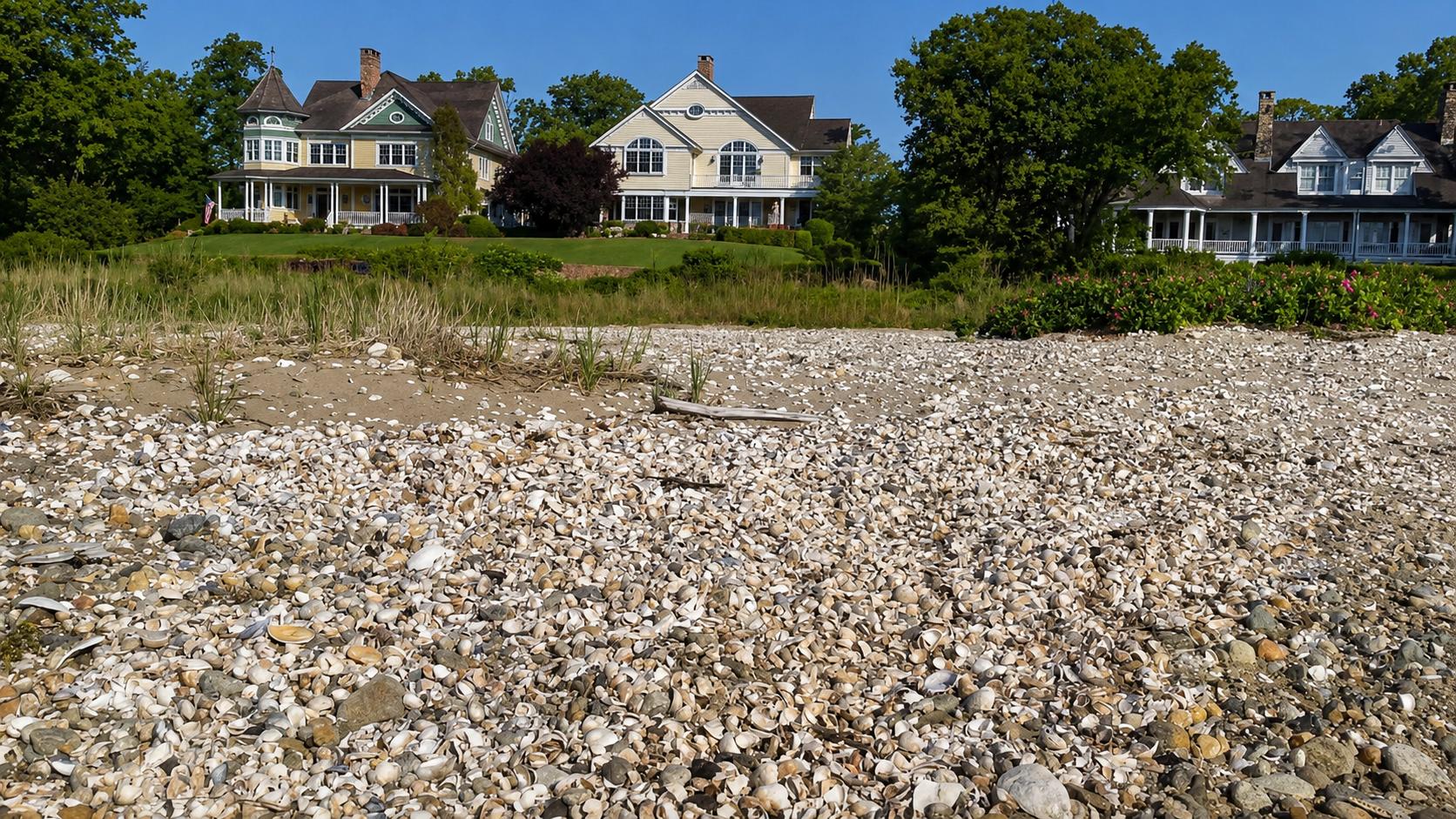
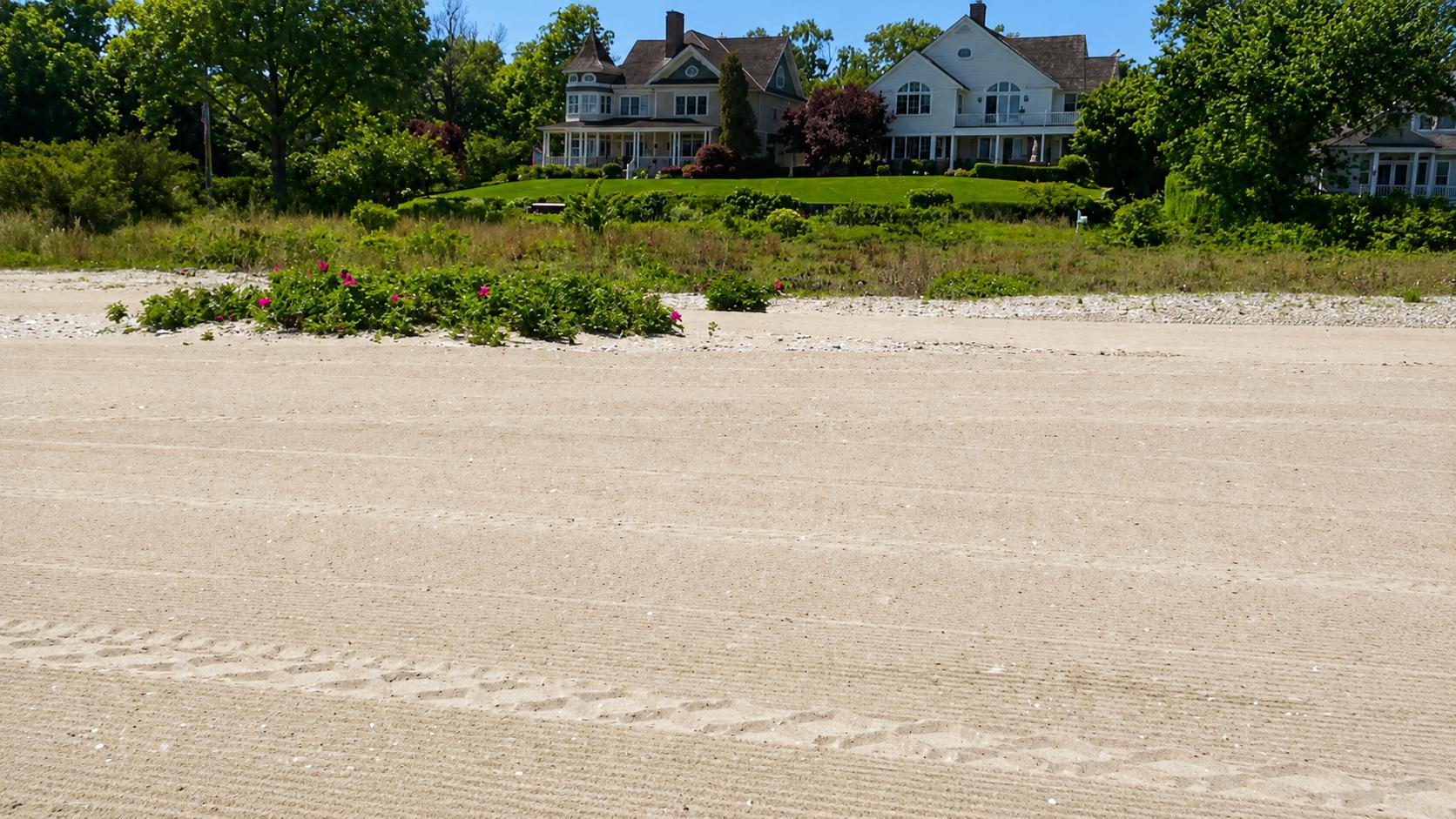
While shell is a natural part of the beach ecosystem, in some cases excessive shell from invasive species can cause real problems for beach managers. In this example, zebra mussels invaded the Great Lakes, resulting in massive amounts of zebra mussel shells on the beaches, which made them painful and impractical for guests to visit. Beach managers all along the coast turned to Barber for a way to remove them quickly as they washed ashore day to day. The SURF RAKE helped get the beaches to a usable, comfortable place — and keep it there throughout the season.
Handles excess shell that proves too voluminous or challenging for other equipment to remove.
Keeps the sand on the beach, using tine-raking action that lifts the shells only.
Clean large areas quickly so the beach is ready for the first guests of the day, regardless of how many shells wash ashore.
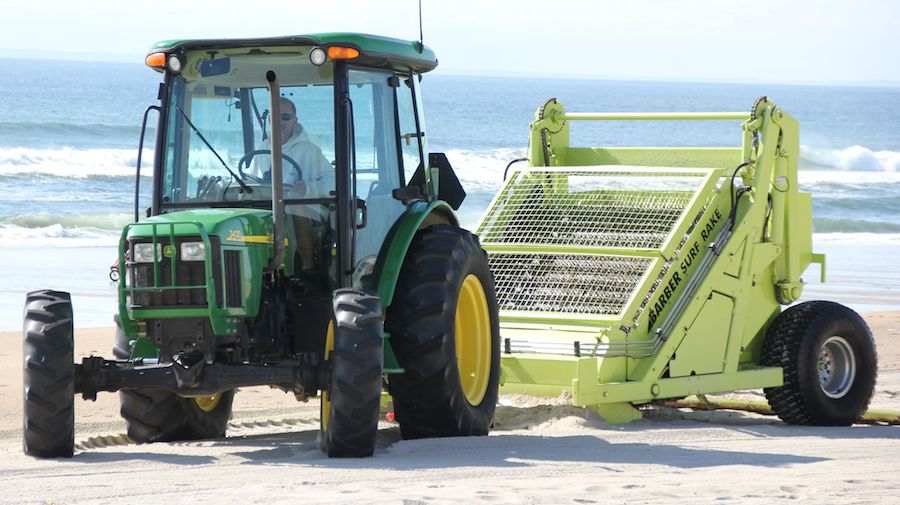
Tractor-towed and hydraulic-powered — requires minimal training and upkeep.
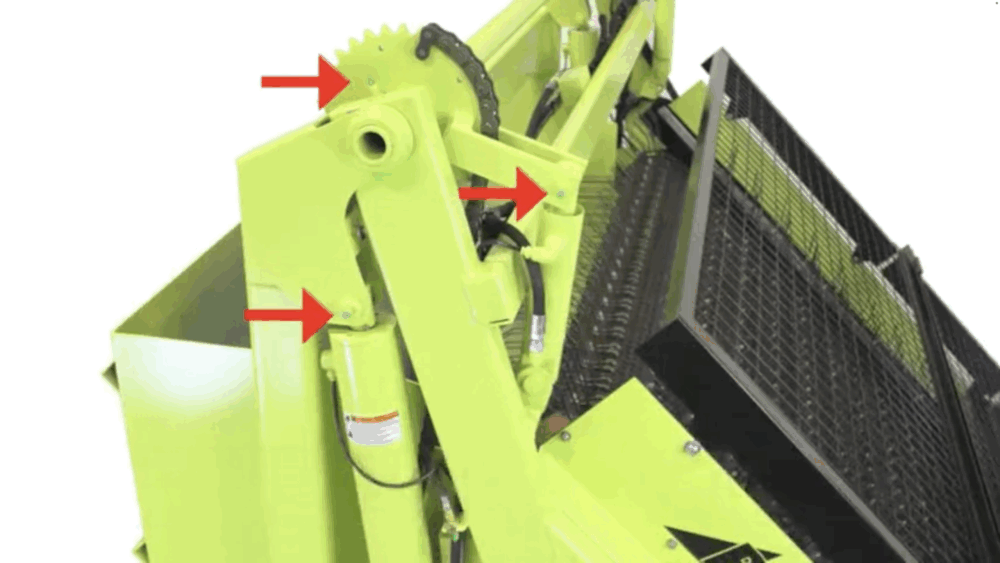
Unlike other shell removal solutions that adapt existing tools for beach use, the SURF RAKE is built from the ground up specifically to hold up against sand, salt water, and extreme conditions day in and day out, so you never have to worry about the machine going down during peak season.
| Method | Speed | Sand Loss | Effective on Shells | Labor Required |
|---|---|---|---|---|
| Manual crew raking | Slow | Low | Poor — can't handle any volume or remove submerged materials | High |
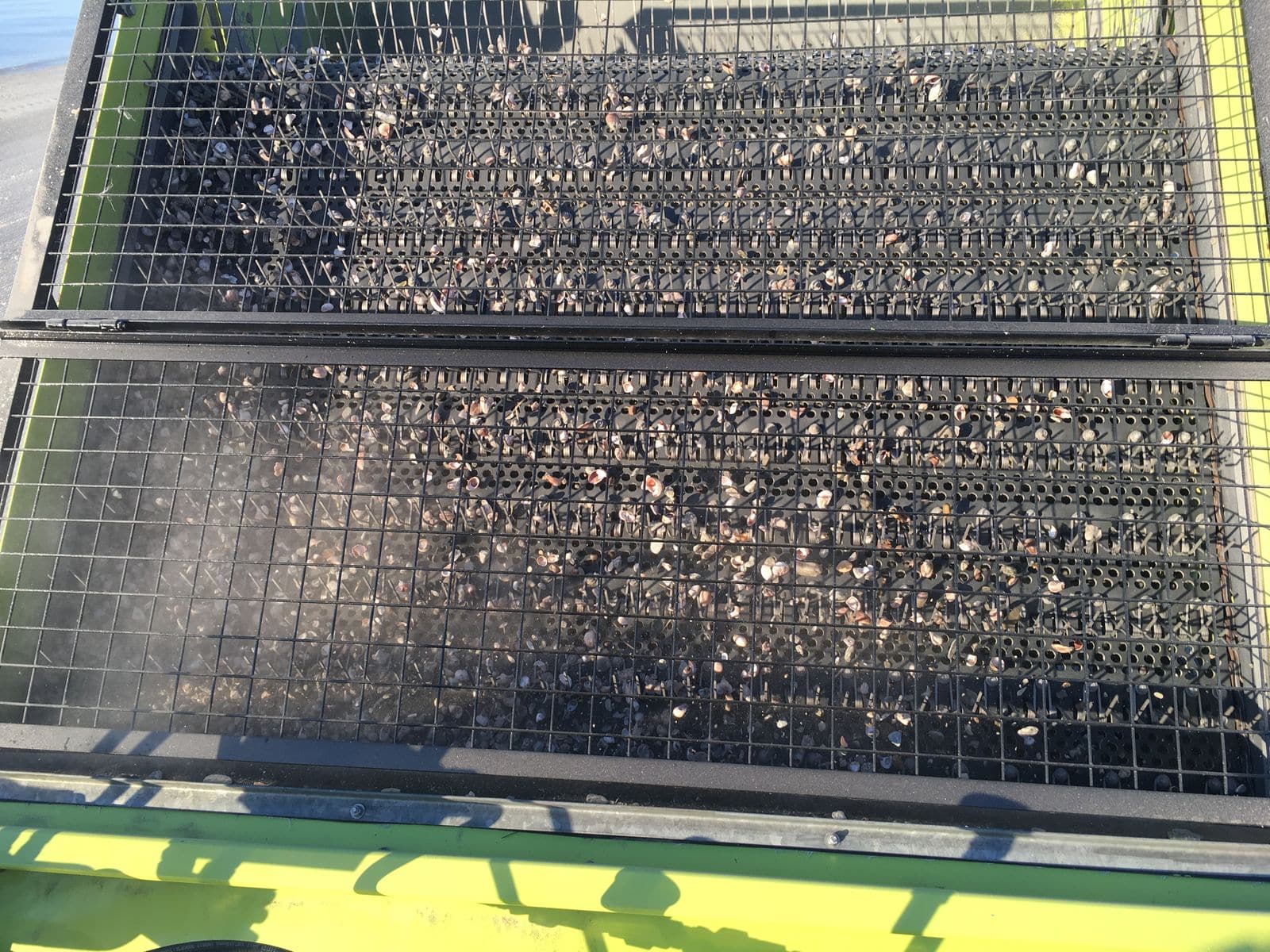
| Screen Sifting Beach Cleaner | Moderate | Low in dry sand, higher at the tide line | Strong | Low |
| SURF RAKE (tine-raking) | Fast | Minimal | Strong — removes heavy volumes rapidly | Low |
Below are common questions beach managers ask when evaluating beach cleaning equipment to help with shell removal:
Zebra and quagga mussel shells wash ashore faster than a crew can bag them, and hand raking can’t reach the shell sitting just below the surface. Once an infestation establishes, the shell keeps arriving every season, so most beaches treat it as ongoing maintenance rather than a one-time cleanup: a mechanized beach cleaner run as the shell washes in. Killing the mussels themselves is a water-body problem outside a beach manager’s control — what you can control is clearing the shell off the sand fast enough to keep the beach usable.
Both tine-raking and sifting-screen machines remove shell. Sifting works well in dry sand, but slows down and starts pulling sand into the hopper at the tide line — which is where the shell lands. Tine raking picks shell off and out of the sand without discarding sand with it, and it handles the heavy day-to-day volumes an invasive-species event produces.
During a mussel die-off, shell can wash in faster than a crew can bag it — that’s the whole problem. Most properties use a machine as the primary method and keep manual labor for detail work around rocks, structures, and areas the machine can’t reach.
When guests can’t walk barefoot, or you’re roping off sections of beach, you’re past the threshold. Zebra and quagga mussel beaches typically need in-season cleaning every year once the population establishes, so this becomes an ongoing operating cost, not a one-time cleanup — which is usually what tips the math toward owning a machine.
Often, yes — one unit can serve several properties or municipal beaches on a rotating schedule, depending on how frequently each needs cleaning. Adding a truck to haul shell to the disposal site while the machine keeps cleaning significantly increases the ground one unit covers.
During heavy accumulation, daily or near-daily cleaning is what keeps the beach usable — shell keeps arriving with each wave and wind cycle. Once the initial event settles, a few times a week is typically enough to hold the line.
Removal depth is adjustable on some beach cleaning machines, like the SURF RAKE, and many properties successfully coordinate machine use with local wildlife guidelines during nesting season. Where the shell comes from an invasive species, some jurisdictions also have specific handling rules — worth a conversation with our team and your local conservation authority before the season starts.
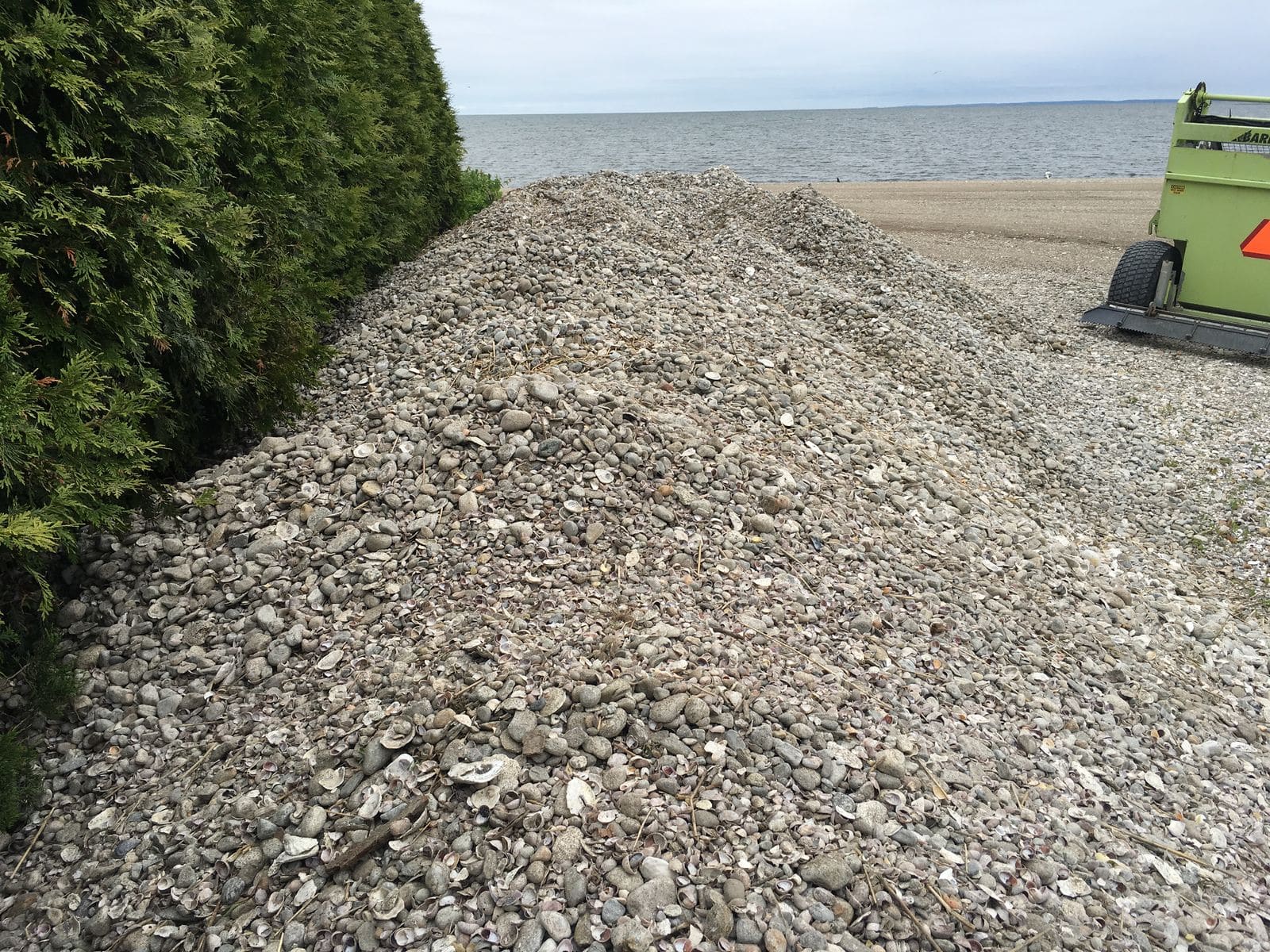
The hopper dumps hydraulically into a truck or trailer. Some properties stockpile and reuse crushed shell for paths, fill, or landscaping; others haul it to a designated disposal site. If the shell is from an invasive species, check local rules first — some jurisdictions restrict where the material can be moved.
Varies by model — 30 to 110 PTO hp, four-wheel drive, with a 540 RPM rear PTO and a 3-point hitch.
Cleaning depth is adjustable, and tine raking lifts shell without stripping and discarding sand, so the beach profile stays intact. Most properties clean the guest-use zone and leave the wrack line and dune areas alone. As with any beach cleaning program, worth coordinating with your local conservation authority.
We never share your contact information with third parties.