- +1 203 729 9000
- hbarber@hbarber.com
- Mon - Fri: 9:00 - 18:00 EST

Home / Beach Cleaning Machines / SURF RAKE / Applications / Litter
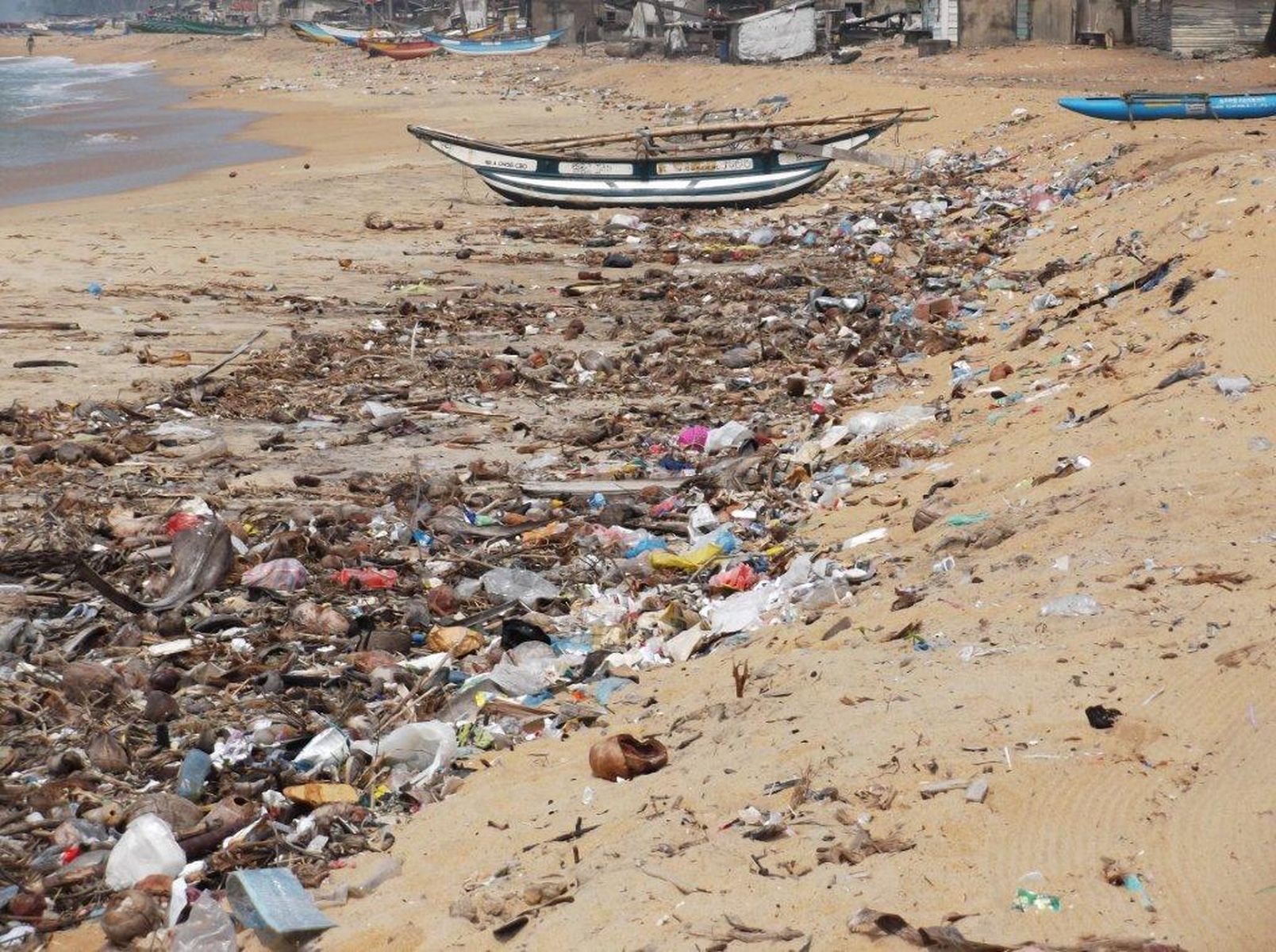
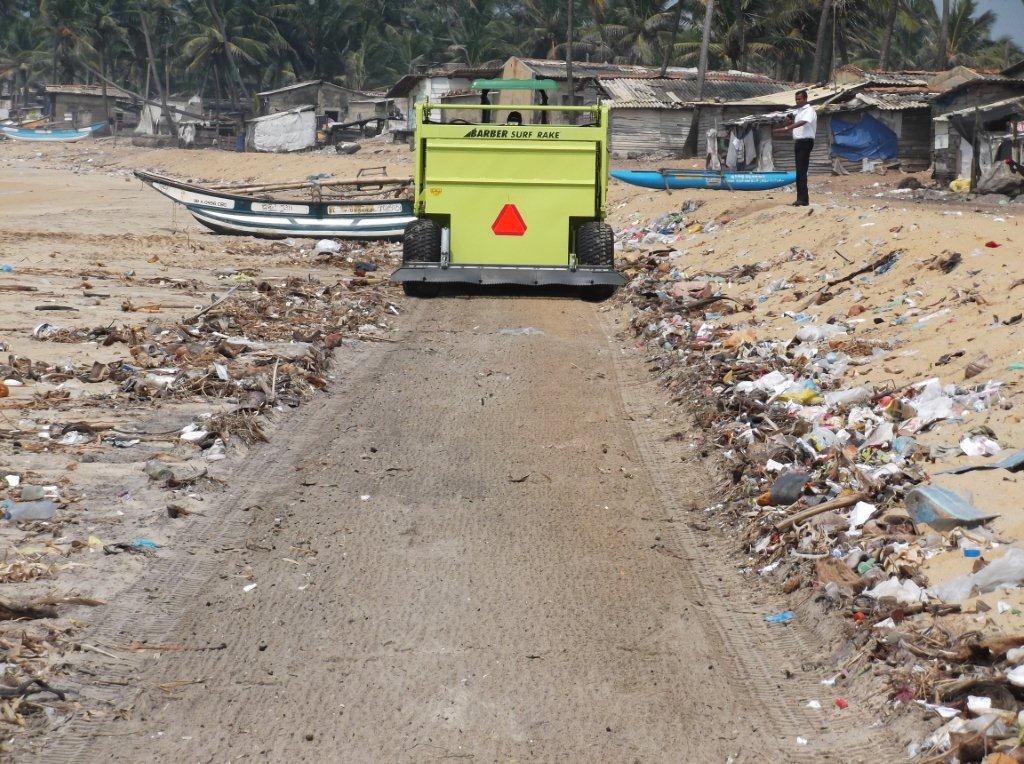
The SURF RAKE was initially created in order to safely, quickly, and effectively remove litter and man-made debris from beaches. In addition to making beaches safer and more sanitary by removing glass and submerged sharp objects, the SURF RAKE aerates and grooms the sand. It allows resorts and municipalities to maintain their beaches year-round and create appealing, litter-free sand that will keep beach visitors returning year after year.
Spring break poses major challenges for public beach managers across Florida’s beaches every year. Dozens of SURF RAKE machines have been deployed across the panhandle to ensure that the beaches are clean and safe at the start of each day — fitting tight nighttime cleanup windows between events that stretch late into the night, ensuring that larger litter like boxes, bottles, and cans are quickly removed, and also making sure that smaller plastics and sharp items like bottle caps, glass shards, and needles are cleared from the beach before they have a chance to work into the beach profile.
Handles litter of all sizes that clogs conventional beach cleaning equipment and takes far too long to clear by hand.
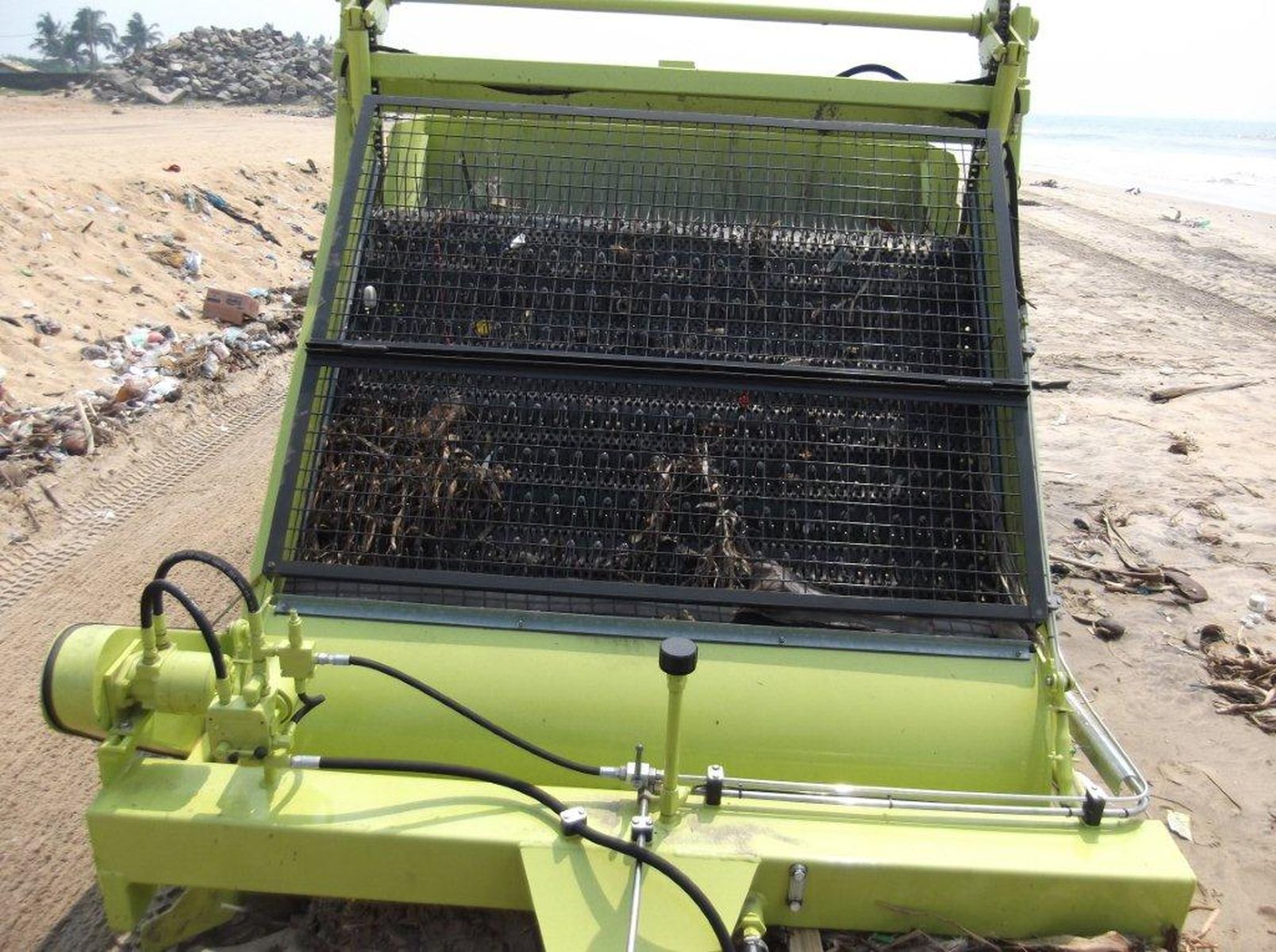
Tine-raking action lifts litter from the surface and up to 6 inches (15 cm) deep without removing sand, regardless of debris type or sand conditions.
Clean large areas thoroughly and quickly so the beach is ready for the first guests of the day, regardless of what the tide brought in overnight or how late events ran the night before.
Tractor-towed and hydraulic-powered — requires minimal training and upkeep.
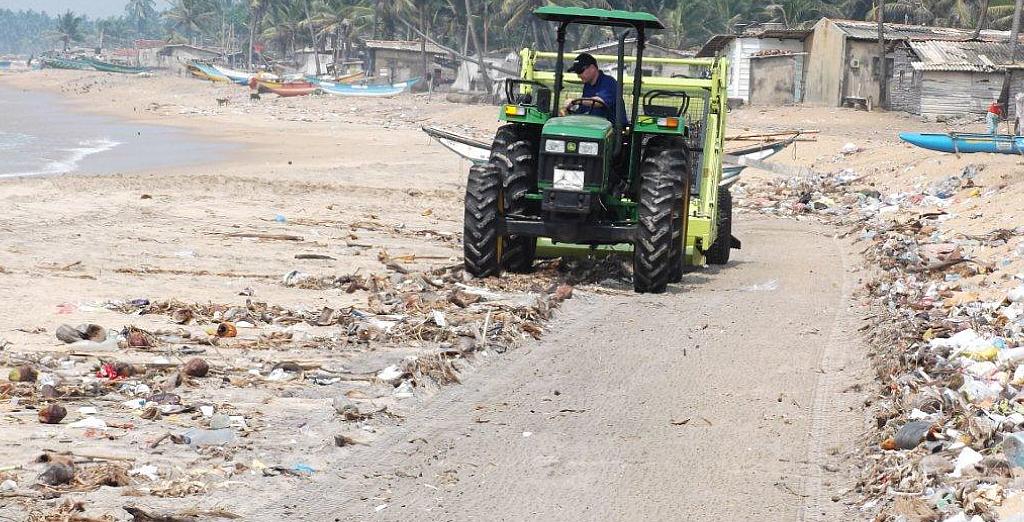
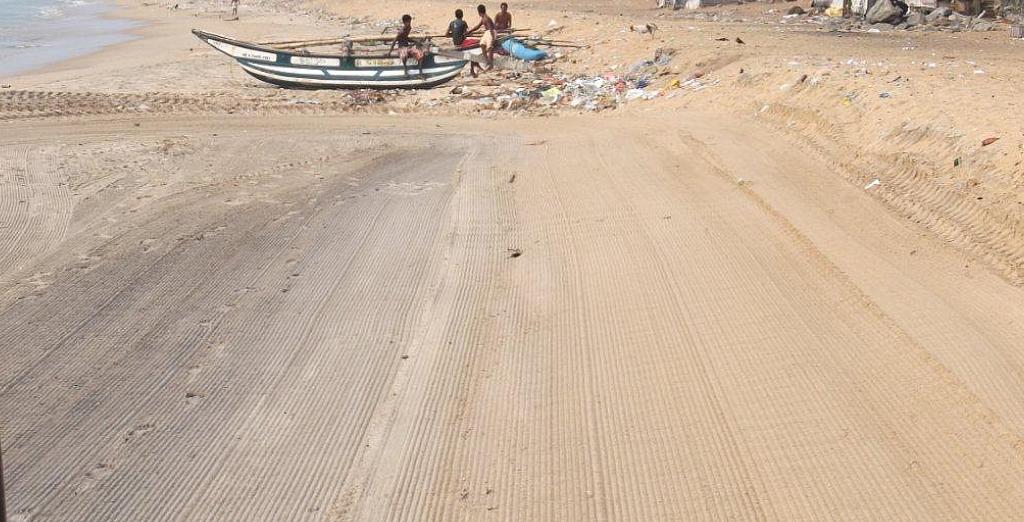
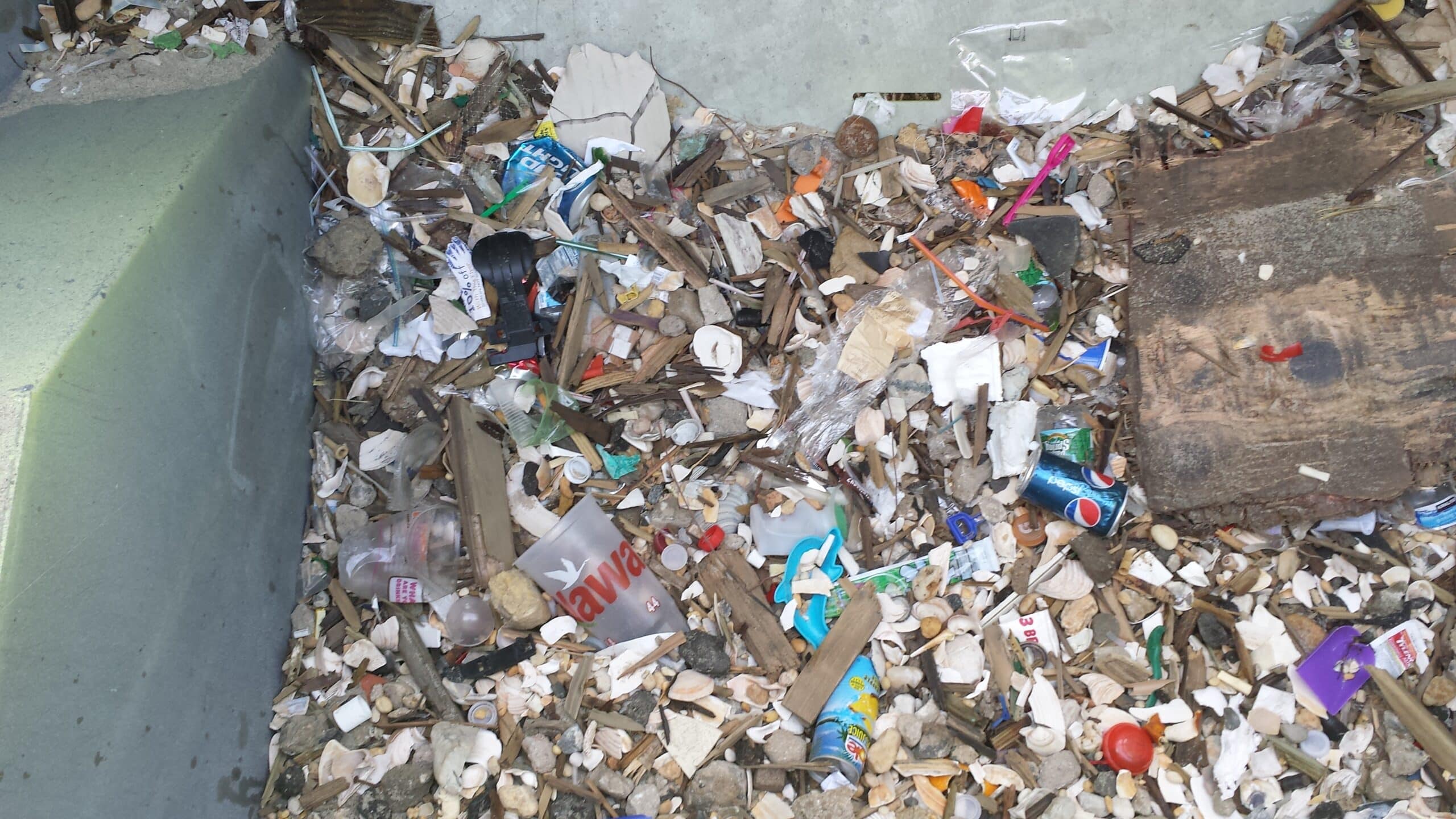
The SURF RAKE’s patented tine raking technology can pick up a large range of litter from the beach without removing sand — ranging from material as small as 3/8 of an inch (0.95 cm) up to the size of coconuts, or even full trash bags.
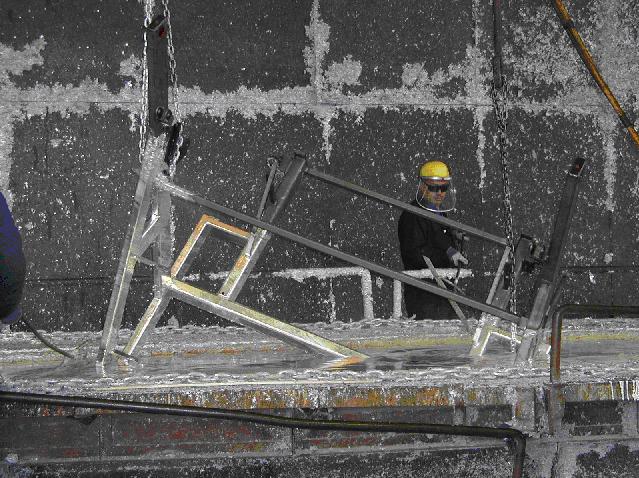
Unlike other litter removal solutions that adapt existing tools for beach use, the SURF RAKE is built from the ground up specifically to hold up against sand, salt water, and extreme conditions day in and day out, so you never have to worry about the machine going down during peak season.
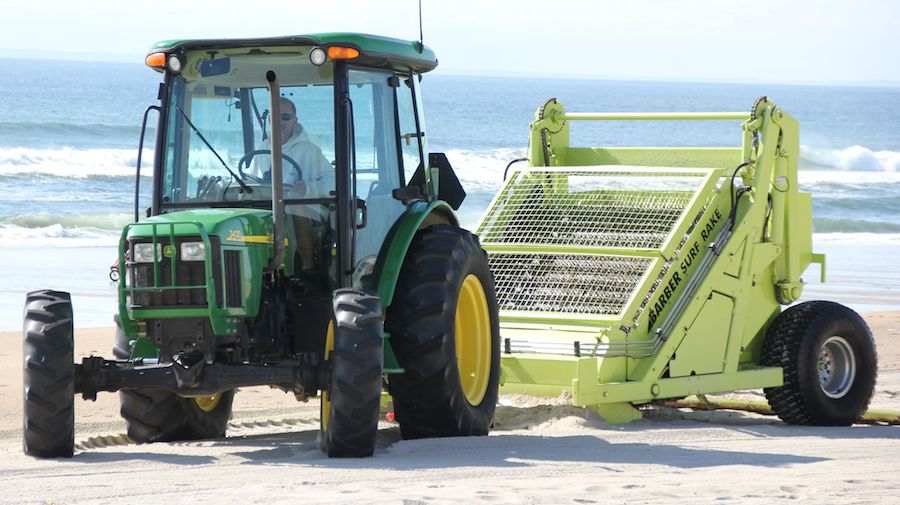
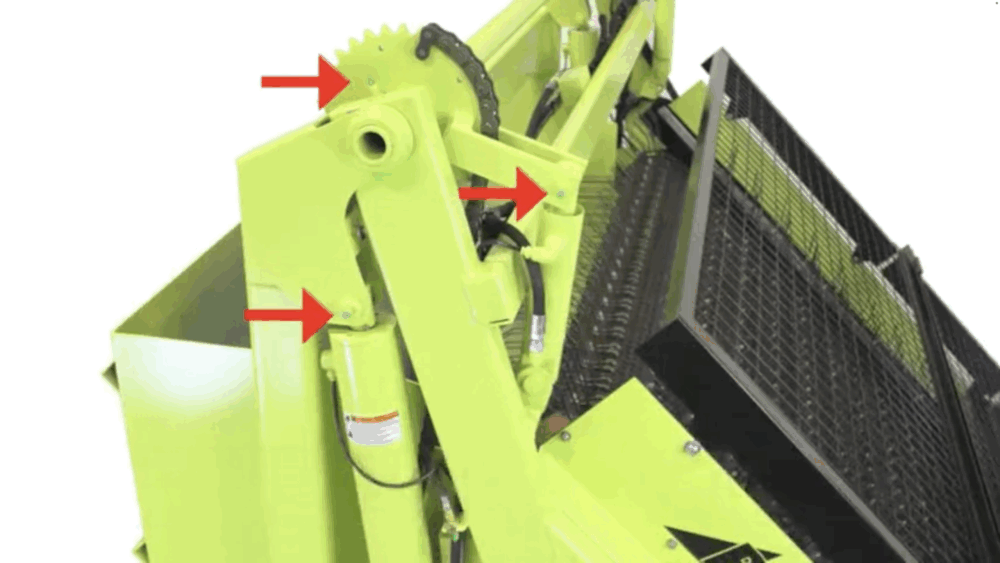
The SURF RAKE was designed to be incredibly simple to maintain. View our maintenance video library to review its simple maintenance procedures.
| Method | Speed | Sand Loss | Effective on Litter | Labor Required |
|---|---|---|---|---|
| Manual crew raking | Slow | Low on dry sand. Often higher with wet sand & tideline cleaning | Effective for larger litter at smaller quantities — ineffective for small submerged litter or larger beaches | High (multiple workers) |
| Screen Sifting Beach Cleaner | Moderate | Low | Effective in dry sand, but requires changing the screen or moving prohibitively slowly in wet, dense sand | Low |
| SURF RAKE (tine-raking) | Fast (4–16 acres/hr (1.6–6.5 hectares/hr) by model, depending on conditions) | Minimal | Strong — adapts to litter volume and beach sand conditions on the go | Low |
Below are common questions beach managers ask when evaluating beach cleaning equipment to help with litter removal:
On a small, low-traffic beach, a crew with bags and hand rakes can manage. On a high-traffic beach — or the morning after an event — hand crews can’t cover the ground, and they walk right past the small and submerged items that matter most. Most properties at that volume use a mechanized beach cleaner, which clears acres per hour and pulls the buried material out along with the visible litter.
Both tine-raking and sifting-screen machines remove litter. Sifting screens perform well in dry, loose sand, but slow to a crawl — or require a screen change — in the wet, compacted sand near the tide line, which is exactly where a lot of litter ends up. Tine raking lifts litter off the top of the sand or can dig deeper to remove submerged material and adjusts to conditions on the go, so a single machine handles the full beach profile in one pass: fine debris down to about 3/8 of an inch (0.95 cm), up through bottles, cans, boxes, and full trash bags.
A tractor-towed machine like the SURF RAKE clears 4–16 acres (1.6–6.5 hectares) per hour depending on the model. A crew clears a fraction of that and misses buried material entirely. Most properties run the machine as the primary method and keep manual labor for detail work around boardwalks, structures, and rock the machine can’t reach. A walk-behind beach cleaner, like the SAND MAN 850 can perform thorough cleaning in these tighter areas, as well.
If your beach is high-traffic in season, hosts events, or needs a daily pre-open clean, the labor math usually favors a machine quickly. Litter is also a liability question — glass, needles, sharp plastic can cause injury to beach patrons. A machine pass reduces that exposure in a way a hand crew can’t reliably guarantee. Smaller properties can rent or share a machine with nearby beaches.
Often, yes — one unit can serve several beaches on a rotating schedule, which is how many municipalities run it. Pairing the machine with a truck to haul litter to the dump site while the machine keeps cleaning greatly increases how much ground a single unit covers in a shift.
Most public and resort beaches clean daily before opening during the season. After heavy-use events — spring break, holiday weekends, concerts — many properties clean overnight so the beach is pristine at first light, before litter gets trampled into the sand profile.
Removal depth is adjustable on some beach cleaning machines, like the SURF RAKE, and many properties successfully coordinate machine use with local wildlife guidelines during nesting season — worth a conversation with our team and your local conservation authority before peak season starts.
The hopper lifts hydraulically and dumps directly into a dumpster, roll-off container, or truck bed, so collected litter goes straight into your normal waste stream — hauled to a transfer station or landfill, or sorted for recycling if you separate. No bagging, no hand-handling of glass or sharps.
Power varies by model and is more an indicator of the size/weight required to hold traction while pulling the unit. A SURF RAKE model can be pulled by a tractor with 30 to 110 PTO hp, depending on the model. All SURF RAKE machines require a tractor with four-wheel drive, a 540 RPM rear PTO,and a 3-point hitch.
From material as small as roughly 3/8 of an inch (0.95 cm) — bottle caps, cigarette butts, glass shards, small plastics — up to coconuts, bottles, cans, boxes, and full trash bags, in the same pass, without changing the setup.
We never share your contact information with third parties.