- +1 203 729 9000
- hbarber@hbarber.com
- Mon - Fri: 9:00 - 18:00 EST

Home / Litter Collection Equipment / ROAD RAKE / How it Works
Here’s how the ROAD RAKE works: operated electronically by one person from the towing unit’s cab, it sweeps up large road hazards — retreads, mufflers, wood, and litter — that would clog or damage a street sweeper. The debris collects in the machine instead of scattering across the shoulder. Below, we break the process down step by step.
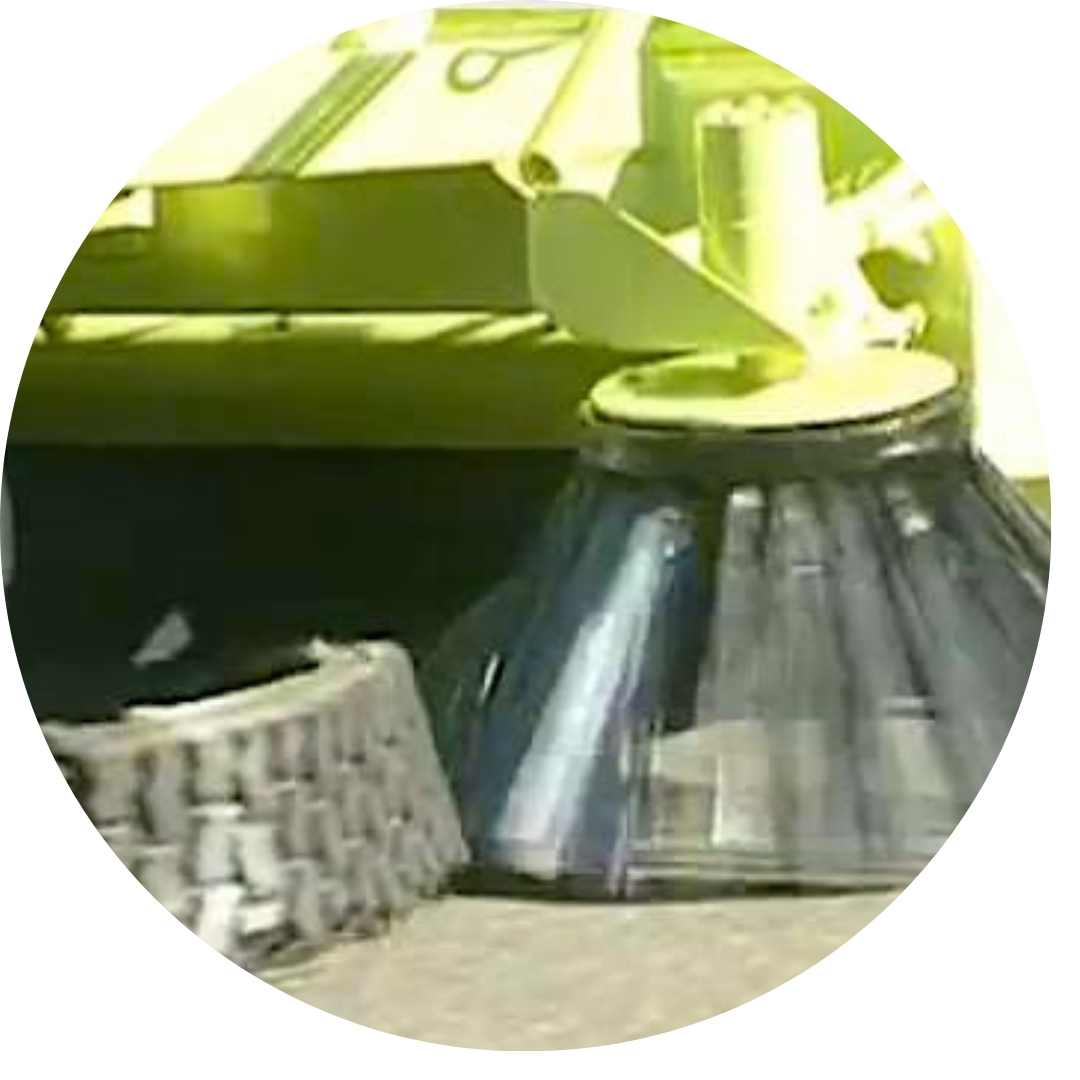
The ROAD RAKE uses caster tires to follow the contour of the pavement, while two gutter brushes on either side of the machine pull material in front of the conveyor.
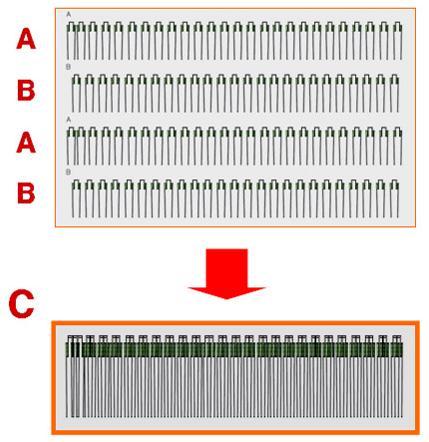
Individually replaceable stainless steel tines mounted in offset rows on a belt-covered bar flight conveyor rake the debris onto the elevating conveyor system.
The tines elevate the unwanted debris to the hopper, which can be hydraulically raised and dumped.
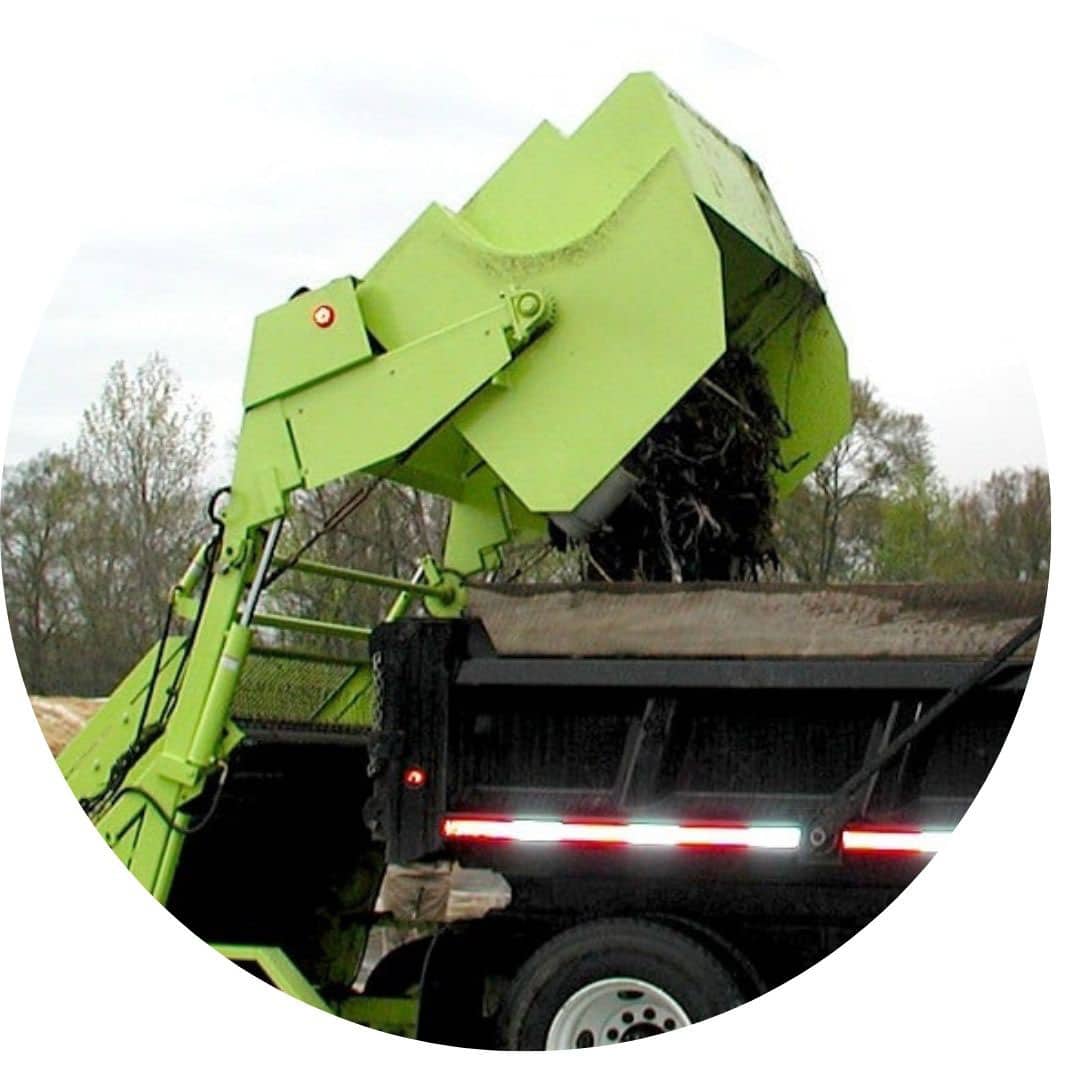
The ROAD RAKE’s conveyor then transports the debris to the hopper, which can be hydraulically raised and tripped for efficient dumping. Even a hopper full of rock has no problem being raised and tripped into dumpsters or trucks up to 9 feet high.
Rotating gutter brushes sweep debris from the road edge toward the collection zone, where tines on a conveyor belt lift and carry material into the hopper. All functions are controlled electronically from the cab of a truck— the operator never needs to exit the vehicle.
Yes. The ROAD RAKE is specifically designed for cab-based operation. All collection, conveyor, and hopper functions are electronically controlled from inside the vehicle — keeping the operator safely away from live traffic.
In most cases, yes. The ROAD RAKE tows behind and is controlled from a standard truck cab, and the 200T model runs off the truck’s own power via hydraulic spool, so you don’t add a separate engine to maintain. Collected debris can dump straight into a following truck for continuous pickup. Tell us the vehicles already in your fleet and we’ll confirm the fit before you order.
One operator in the cab clears shoulders continuously at working pace, collecting retreads, wood, and litter in a single pass that a hand crew would need multiple workers and far longer to match. Actual coverage depends on debris density and traffic conditions, so we don’t publish a fixed acres-per-hour figure — but the machine’s advantage grows on exactly the heavy, bulky debris that slows manual pickup most. Additionally, the ROAD RAKE can travel at highway speeds between debris and then slow down to remove debris, as it’s encountered, which drastically speeds up cleaning.
Because every function runs from the cab, your operator never steps onto the shoulder beside moving traffic — the biggest safety gain over hand crews. The machine moves with your work zone and pairs with the standard traffic-control setups your agency already uses. Keeping one person inside one vehicle also shrinks the number of workers you have to expose to the roadway on any given shift.
The tines are individually replaceable stainless steel, so a worn or bent tine is a quick swap rather than a whole-conveyor repair. H. Barber & Sons builds the ROAD RAKE in the United States and stocks wear parts like tines and gutter brushes, so you’re not waiting on an overseas pipeline when a component reaches end of life. We support the machine directly for its full service life.
Frame it against what shoulder litter already costs you: recurring crew hours, the exposure of workers beside live traffic, and debris that damages street sweepers or reaches storm drains. The ROAD RAKE shifts that work to one operator who stays in the cab. Many agencies specify it during a normal equipment-replacement cycle rather than as new spending. We can help you build the spec and the budget case. Beyond pure financial ROI, many agencies employ the ROAD RAKE for its safety & liability improvements over their current cleanup methods.
Now that you know the basics of how the ROAD RAKE works, learn about its technical specifications.