- +1 203 729 9000
- hbarber@hbarber.com
- Mon - Fri: 9:00 - 18:00 EST

Home / Stone Pickers / TURF RAKE / How it Works
Here’s how a TURF RAKE works: hundreds of steel tines penetrate the soil, lift stones and debris onto a conveyor, and level the surface — all in a single pass. Because it cleans and grades at once, the ground is left ready for seeding without a second machine. The full process, stage by stage, is below.
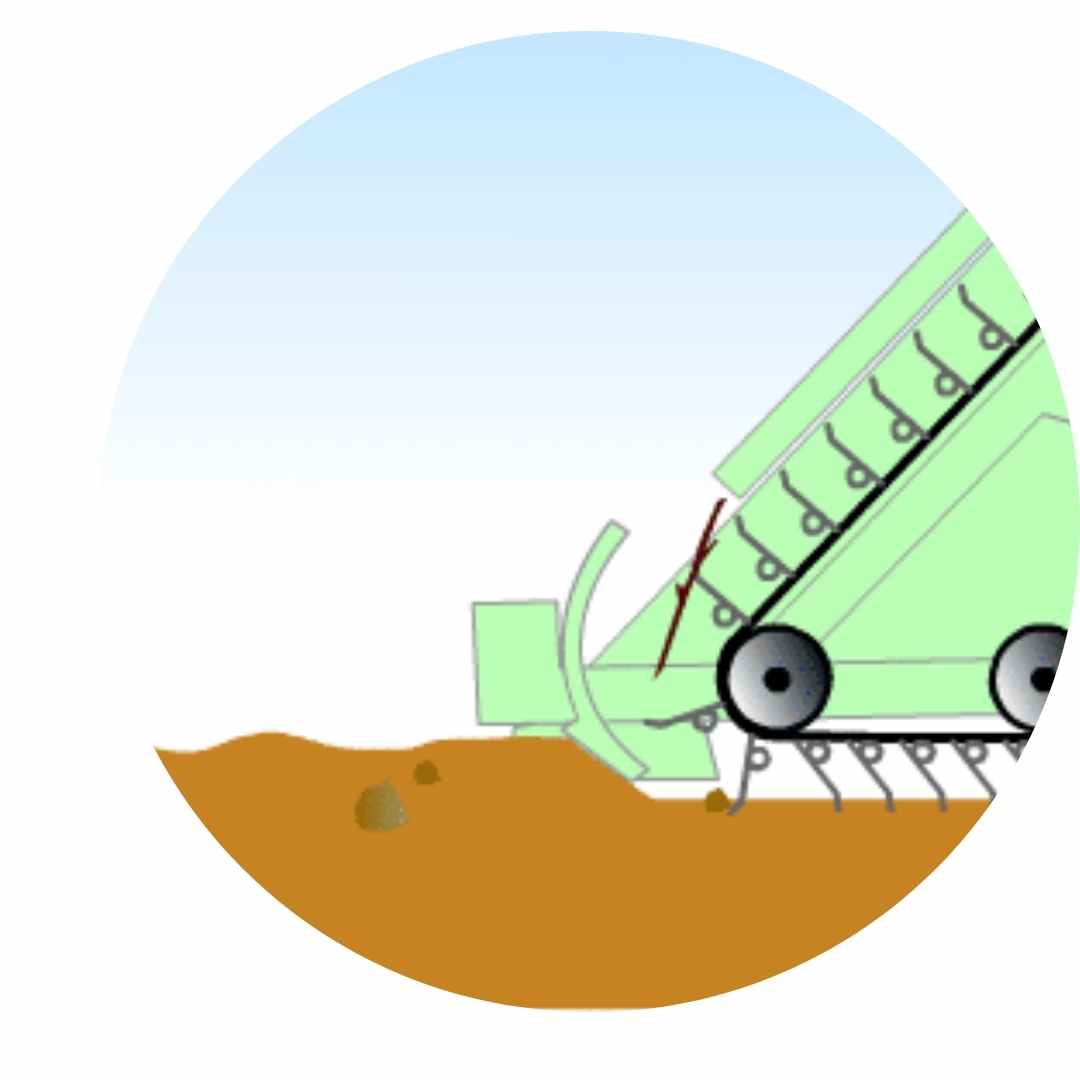
The moldboard levels uneven areas in the soil to create an even cleaning surface and ensure consistent digging depth.
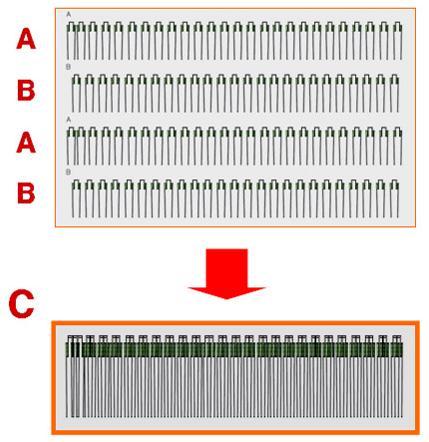
Individually replaceable stainless steel tines mounted in offset rows on a belt-covered bar flight conveyor rake stones, rocks, and debris from the soil toward an adjustable moldboard.
The stones, sticks, rocks, and other unwanted materials deflect off the moldboard onto the elevating portion of the conveyor.
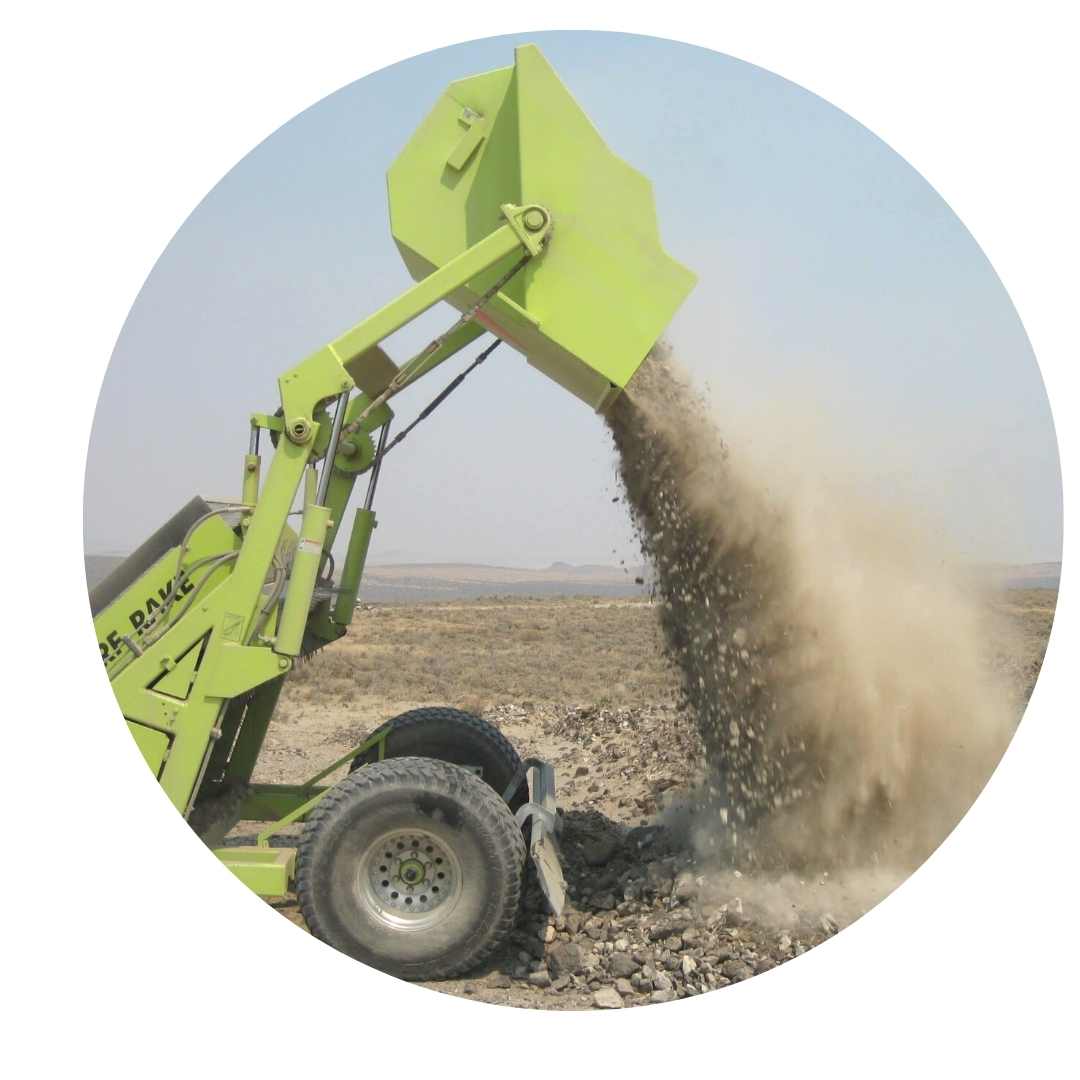
The TURF RAKE’s conveyor then transports the debris to the hopper, which can be hydraulically raised and tripped for efficient dumping. Even a hopper full of rock has no problem being raised and tripped into dumpsters or trucks up to 9 feet high.
The TURF RAKE uses a four-stage process: (1) a moldboard levels and grades the soil surface, (2) offset tines penetrate and rake through the soil to extract stones, (3) an S-belt conveyor carries material upward while excess soil falls back through the belt, and (4) stones and debris drop into a collection hopper.
The tines are adjustable from 1 to 4 inches deep, pulling stones from below the surface rather than just skimming visible debris. This depth extraction is what distinguishes it from surface rakes.
First, the tines lift only the stones and not the soil. Then, the S-belt conveyor’s tumbling motion causes any residual soil to break free and fall back through the open belt, while stones and debris are retained and carried into the hopper.
The moldboard grades and levels, the tines break up compaction and remove buried debris, and the conveyor returns soil to the surface. The result is a leveled, aerated, stone-free surface ready for seeding or safe sport.
The TURF RAKE attaches via a standard three-point hitch and is powered by the tractor’s hydraulic PTO. No separate engine is needed — the operator controls functions from the cab.
The optional Finisher attachment levels tire tracks and smooths the groomed surface after each pass. Without the Finisher, light track marks from the tires remain in between the groomed paths. The Finisher is recommended for horse arenas, sports fields, and applications requiring an even-appearing final surface.
Yes, within limits. The TURF RAKE picks the stone, not the soil — its tines comb the stone out of the ground without lifting or processing the soil, so it resists the clogging that stalls solid-screen sifters in heavy material. Any residual soil clinging to a stone sheds back through the perforated S-belt as the stone travels up the conveyor. Very wet, sticky clay is demanding on any picker and runs best when the ground is workable, while the moldboard and digging tines break up hard, compacted surfaces. Tell us your soil and we will advise.
One operator running the tractor can run the whole process. Because the TURF RAKE levels, lifts stone, and loads the hopper automatically, no crew is needed to follow behind picking or hauling. The operator raises and dumps the hopper hydraulically from the cab into a truck or dumpster, turning a job that once needed a full crew into a single-operator task.
Now that you know the basics of how the TURF RAKE works, view its technical specifications