- +1 203 729 9000
- hbarber@hbarber.com
- Mon - Fri: 9:00 - 18:00 EST

Home / Beach Cleaning Machines / SURF RAKE / How It Works
Here’s how a SURF RAKE works: one operator drives a towing tractor while the machine’s tines rake the sand, lift debris onto a moving conveyor, and leave clean, groomed sand behind in a single pass. It collects everything from cigarette butts to softball-sized rocks, up to six inches deep. We detail the full process, step by step, below:
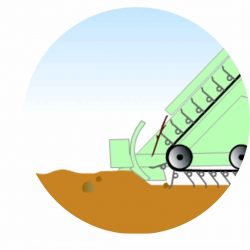
The beach cleaner’s moldboard levels uneven areas in the sand to ensure an even surface for cleaning across the entire width of the machine. It also controls how deep the tines of the SURF RAKE penetrate the sand.
The moldboard also protects the conveyor system by guiding the machine over large submerged objects, instead of meeting them with directly with the conveyor mechanism, like a sifting style machine would.
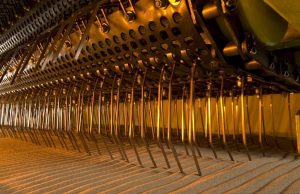
Offset, individually-replaceable stainless steel tines mounted on a rapidly-rotating belt-covered bar flight conveyor then rake through the sand and separate debris from the sand–both on submerged and on the surface.
The tines fling the debris against the curved moldboard and onto the elevating portion of the conveyor. This knocks sand off the debris. Any residual sand then falls through the perforations in the conveyor, as it’s carried up to the hopper.
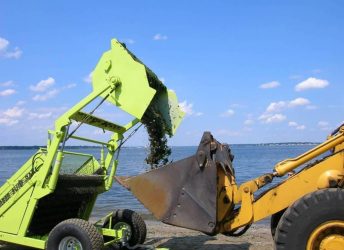
Once the hopper/bucket of the beach cleaner is full, it can be hydraulically raised and tripped to dispose of its contents into a truck or container up to 9 feet high (HD models) or deposited on the ground (400).
A number of proprietary features make the SURF RAKE the most effective and reliable beach cleaner on the market. We’ve been refining the SURF RAKE since 1966, so that each component is optimized for maximum reliability & longevity.
The S-belt is a perforated NRB Rubber belt with nylon layers that is practically wear-resistant and contains rows of mounted stainless steel tines. When the tines capture debris onto the beach cleaner’s conveyor, the perforations allow residual sand to fall back onto the beach, allowing the beach cleaner to only remove debris, not the sand.
This improves performance and longevity in that it maximizes tine penetration and removal of extremely fine debris like cigarette butts, while reducing the risk of residual sand removal, extra dump cycles, and bulk waste removal costs. The conveyor is also easier to clean and clear of debris than other methods.
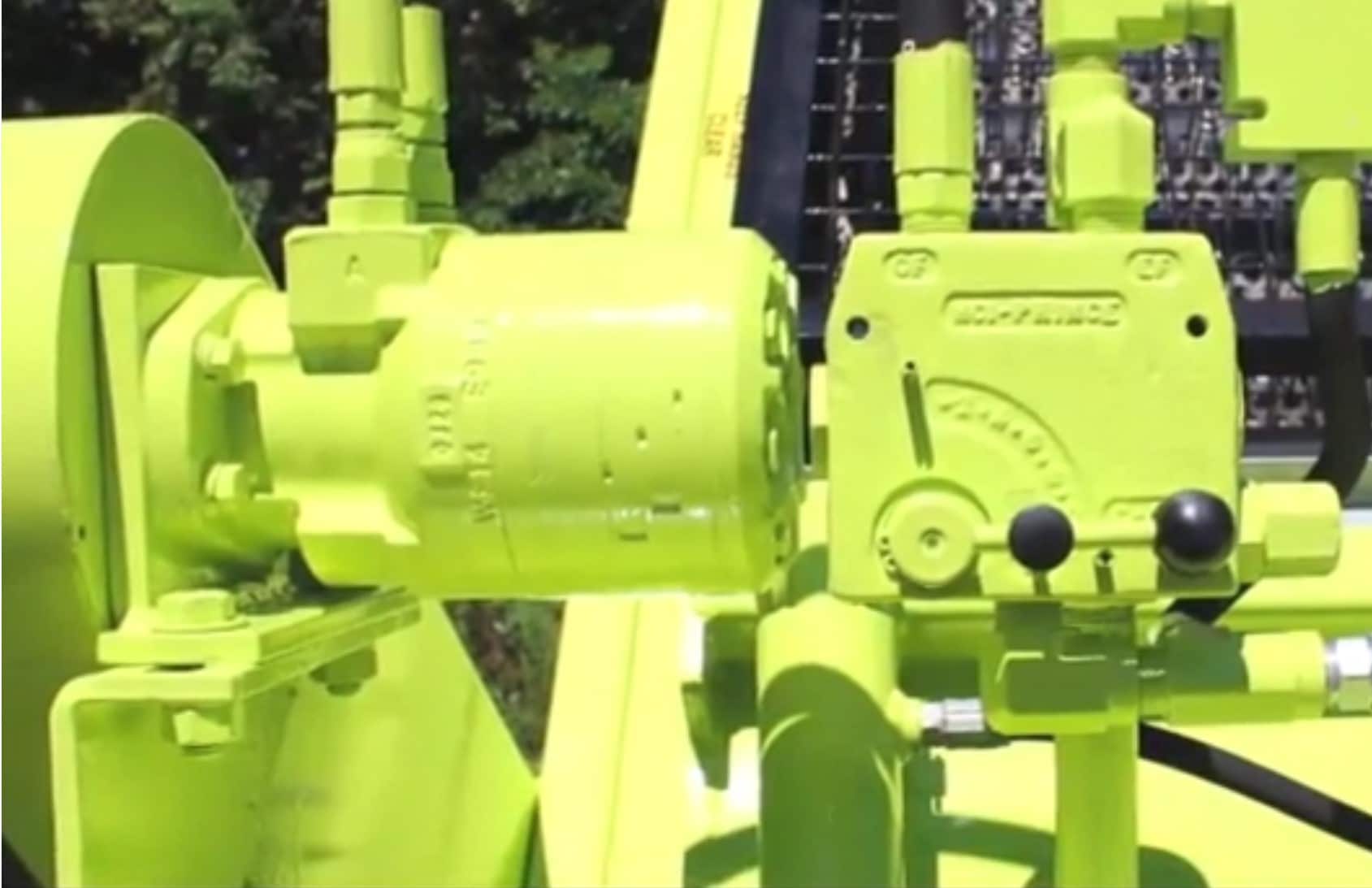
The SURF RAKE beach cleaner line features a hydraulic drive for smooth operation with major advantages:
First, it provides excellent maneuverability. Power is transferred through a flexible hose, allowing the beach cleaner to clean while turning in the tightest of areas. Second, the beach cleaner’s flow control permits fine adjustments of the conveyor belt speed, independent of the tractor. Third, the hydraulic drive maintains the operator’s safety by eliminating exposed turning shafts. Fourth, the adjustable over-flow engages and resets automatically to protect our beach cleaners from oversized objects. Lastly, as a purely mechanical system, it does not contain any failure-prone electronics or proprietary components that make repairs in the field impractical.
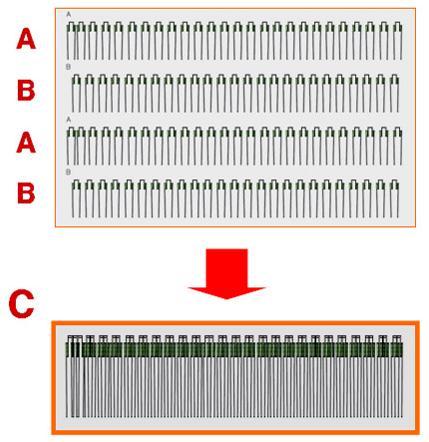
Hundreds of double-torsion, three-coil stainless steel tines are mounted in offset rows on the conveyor. Hundreds rake through the sand every second creating a grid that removes even the smallest unwanted debris from the sand; such as, glass, cigarette butts and pop-tops.
The stainless steel tines offer superior durability and corrosion resistance, which is essential in saltwater environments. Tines are individually replaceable on each beach cleaner for simplified maintenance.
The SURF RAKE uses a four-stage process: (1) a moldboard angles inward to funnel debris toward the tines, (2) rows of stainless steel tines penetrate the sand and lift debris, (3) an S-belt conveyor carries material up while sand falls back through gaps, and (4) debris is deposited into a hydraulic dump hopper for removal.
The SURF RAKE’s mechanical components are driven by the tractor’s hydraulic PTO output. No separate engine is needed on the implement — all power comes from the tow vehicle.
The SURF RAKE cleans wet, packed sand and works along the tideline where debris collects most heavily. Its stainless steel tines rake through damp sand instead of relying on a vibrating screen, so performance holds up in the conditions that stall sifting machines. You set tine depth with the moldboard, lightening penetration on saturated sand near the water and digging deeper on the drier upper beach.
The SURF RAKE captures fine debris — cigarette butts, glass, bottle caps — using hundreds of offset tines that form a dense raking grid, with no sifting screen. Sifters do well in dry, flat, lightly loaded sand, but they clog and pull out excess sand once conditions turn wet, heavy, or organic. Tine raking keeps working across that full range, which is why we build the SURF RAKE around tines rather than screens.
The SURF RAKE loosens and aerates the top layer of sand rather than compacting it. And the optional finisher attachment creates an even, groomed appearance. So in most instances, it creates a soft, inviting surface for guests — ‘first steps on the beach’. That being said, while the machine does areate the sand, it sifts the debris without lifting the sand off the beach, like sifting machines do. Lifting and sifting sand can add too much air to the sand, which can encourage erosion over time.
The tine-raking process of the SURF RAKE is engineered to remove debris, not sand by picking the debris out of the sand If any sand remains stuck to the debris, the SURF RAKE’s perforated S-belt conveyor and tumbling action shake ait loose and back onto the beach before material reaches the hopper.