
HOW THE LITTER PICKER WORKS
Here’s how the LITTER PICKER machine works: one operator runs it from the tractor seat, with a three-point hitch and PTO-powered hydraulics driving a tine-lined conveyor that scoops debris into a bucket. From the cab, the driver raises and trips that bucket to empty it — no one leaves the tractor. The full part-by-part walkthrough is below.
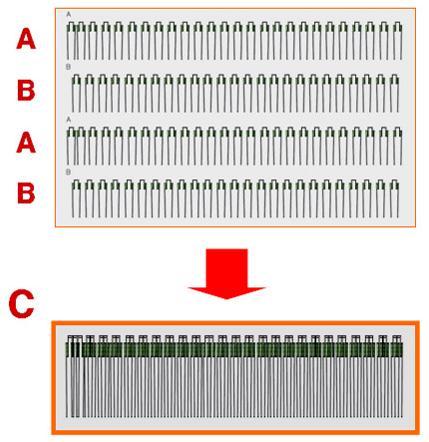
1. Tines Remove Debris From the Ground
The LP1 removes litter from the cleaning surface by using a rotating conveyor that contains hundreds of tines in offset rows.
2. Tines & conveyor carry debris to the hopper
Two casters maintain even cleaning coverage, while the tines capture debris and throw it against the moldboard. The materials then deflect off the moldboard and back onto the conveyor belt.
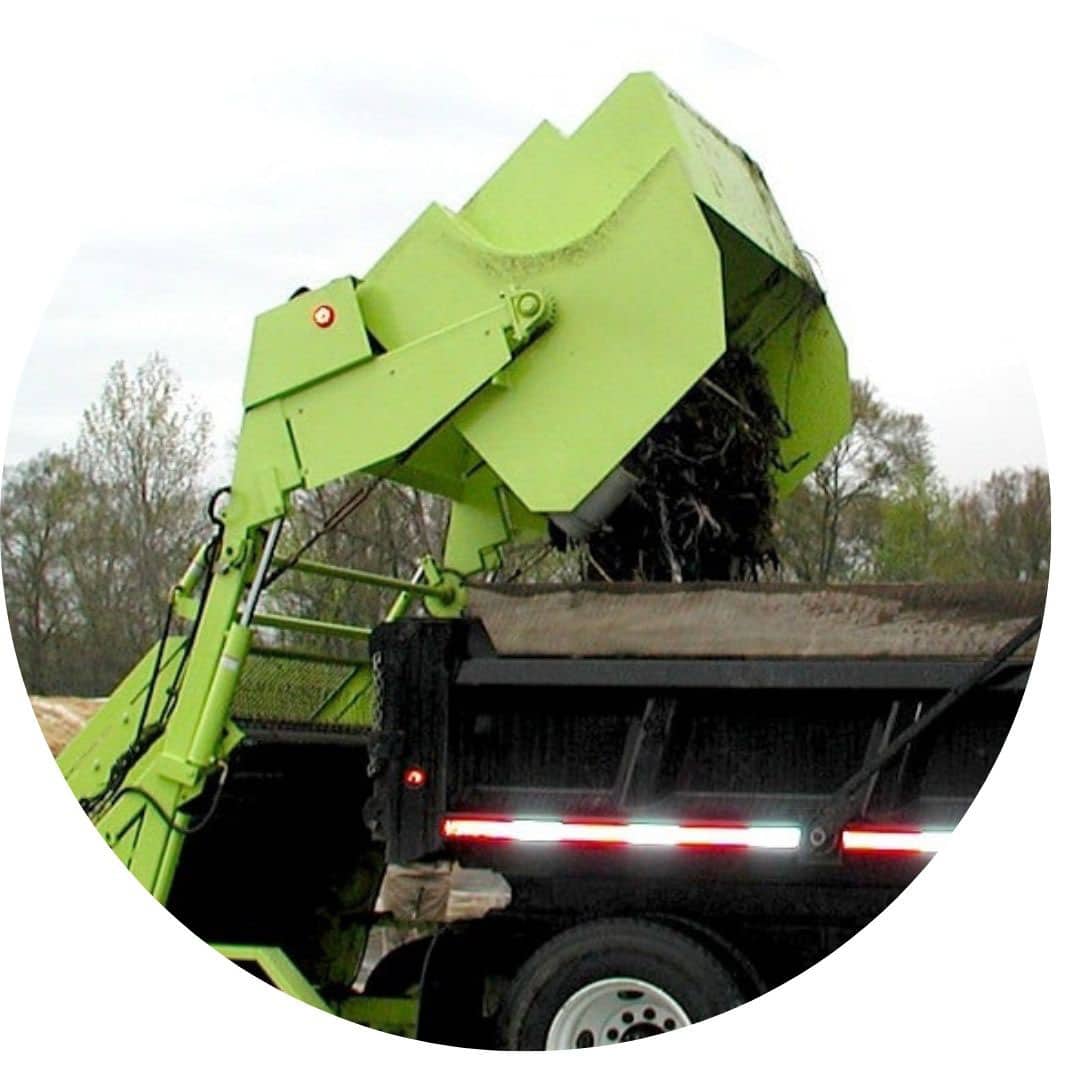
3. A Full Hopper Deposits Debris
The conveyor transports the debris to the bucket, which can then be raised to dump its contents into a container, truck, or dumpster.
Frequently Asked Questions
The LP1 uses offset tines that comb across the surface, lifting debris onto a conveyor belt that carries it into a collection hopper. The machine is PTO-hydraulic powered and connects to the tractor via its three-point hitch — no separate engine is needed.
Offset tines are arranged in a staggered, overlapping pattern rather than straight rows. This increases surface coverage per pass and reduces the chance of debris slipping between gaps, improving collection efficiency across varied debris sizes.
The moldboard is a front-mounted deflector plate that angles debris inward toward the tines as the machine moves forward, preventing litter from escaping around the sides of the collection head. The forward-rotating tines then throw the debris against the moldboard which deflects it back onto the conveyor belt for carrying up to the hopper. This triangular design reduces the footprint of the machine and allows for greater maneuverability in tight locations.
Yes. Casters allow the collection head to follow ground contours — crucial for collecting litter on uneven turf, slopes, and rough terrain without the tines digging in or skipping over the surface.
The LP1 connects via a standard three-point hitch and draws PTO power from the tractor. Specific horsepower requirements depend on configuration. Our team can confirm compatibility with your tractor before purchase. The minimum horsepower requirement for the LITTER PICKER is 50-60 horsepower.
Tine height is adjustable to the surface. On grass, tines are set to comb the surface and lift litter without tearing turf, and can be lowered to pull litter pressed into soil. On pavement, the casters guide the head so tines skim just above the hard surface instead of dragging on it. This adjustability lets one machine move between turf, soil, and paved areas.
The tines are flexible metal and respond in a spring-fashion, so they flex over rocks, roots, and heavy, immovable items rather than snapping on contact-the same forgiving design used across Barber’s rake line. The offset rows and moldboard also keep bulky items moving onto the conveyor instead of lodging in the collection head.